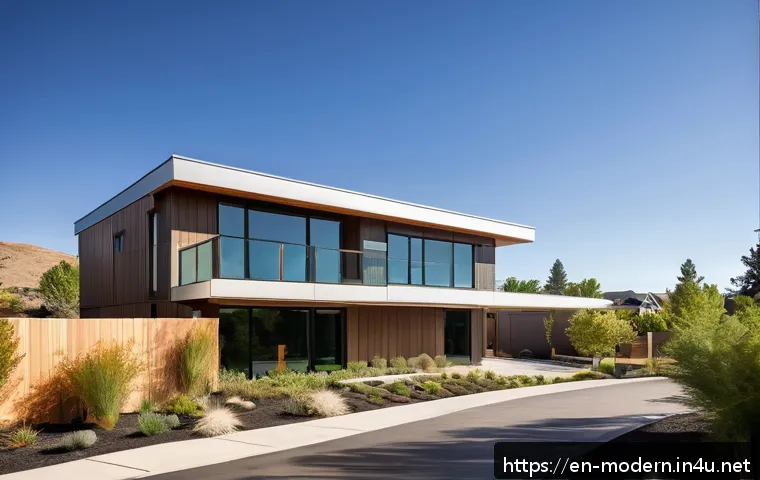
As climate concerns intensify and energy costs soar, the spotlight on sustainable living has never been brighter. Imagine homes that generate as much energy as they consume—this is the promise of zero energy buildings.
These innovative structures are reshaping how we think about comfort, efficiency, and environmental responsibility. Whether you’re a homeowner, builder, or simply curious about green technology, understanding this cutting-edge trend is essential.
Let’s dive into how zero energy buildings are unlocking a future where sustainability meets smart living, offering both ecological benefits and long-term savings.
Innovative Design Strategies for Energy-Neutral Homes
Optimizing Building Orientation and Layout
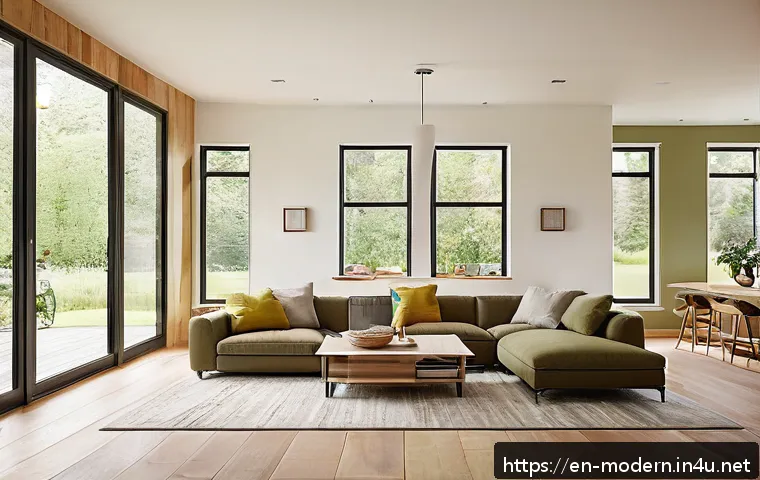
When it comes to crafting a home that balances energy consumption and generation, the way a building is positioned plays a massive role. Facing the right direction can maximize natural sunlight, reducing the need for artificial lighting and heating.
For instance, in colder climates, south-facing windows capture more sunlight during winter, helping to naturally warm the interior. On the flip side, careful shading and placement can minimize overheating during summer months.
I’ve personally noticed in my own home how strategic window placement cuts down my heating bills significantly. Beyond just sunlight, airflow patterns are also crucial; well-thought-out layouts promote natural ventilation, reducing reliance on air conditioning systems.
High-Performance Insulation and Building Envelope
A tight building envelope is a cornerstone of energy efficiency. Using advanced insulation materials like spray foam or rigid foam boards can dramatically reduce heat transfer.
This means your home stays warm in winter and cool in summer without overworking HVAC systems. Beyond insulation, airtight construction techniques prevent drafts and energy loss, but it’s important to balance this with proper ventilation to maintain indoor air quality.
I once helped a friend retrofit their older house with upgraded insulation and air sealing, and the difference in comfort and monthly energy use was remarkable—almost cutting their energy costs in half.
Incorporating Renewable Energy Systems
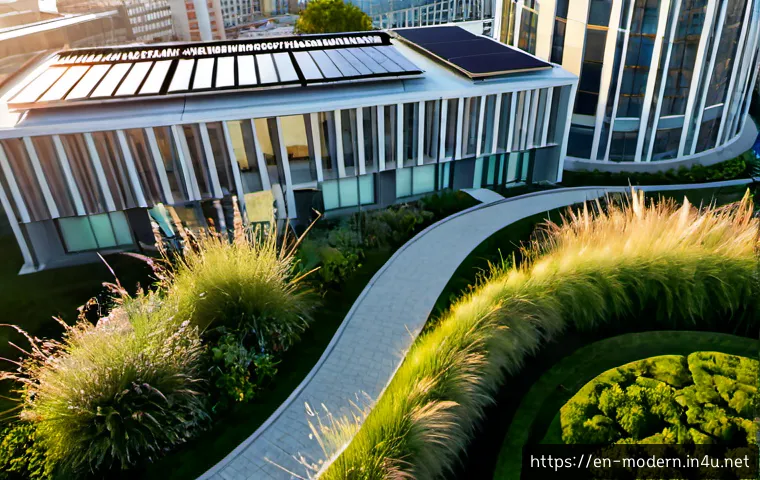
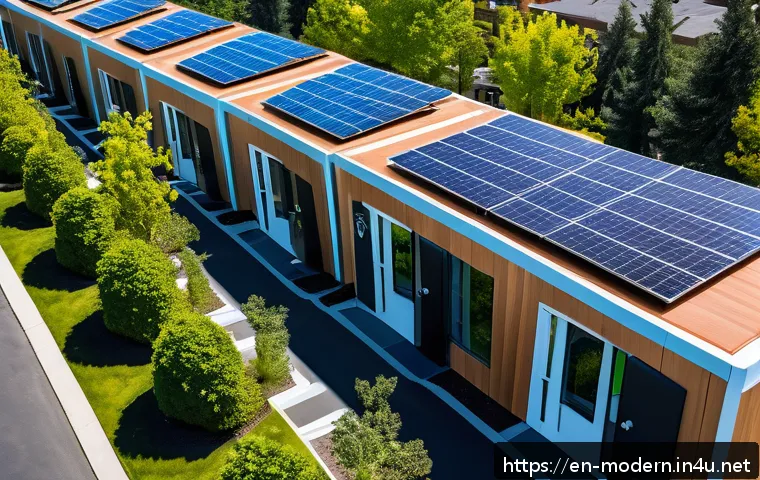
Solar panels are the most popular way to generate renewable energy on-site, but they’re not the only option. Depending on your location, small-scale wind turbines or geothermal heat pumps can also contribute to a zero energy balance.
I’ve seen neighborhoods where residents pool resources to invest in community solar gardens, which is a smart way to benefit from renewables even if your property isn’t ideal for panels.
The key is matching your renewable setup with your home’s energy profile—meaning, how much energy you use and when you use it. This strategic matching ensures you’re not just producing clean energy, but also using it efficiently.
Smart Technologies That Amplify Energy Efficiency
Automated Energy Management Systems
Modern smart home systems do more than just turn lights on and off; they can learn your habits and optimize energy use without you lifting a finger. For example, programmable thermostats adjust heating and cooling based on when you’re home or away, cutting down wasted energy.
Having installed one myself, I was surprised how much it reduced my electric bills just by tweaking temperature schedules. These systems can also integrate with solar setups to decide when to use stored solar energy versus grid power, maximizing savings and sustainability.
Energy-Efficient Appliances and Lighting
Choosing appliances with high energy ratings might seem like a no-brainer, but many people underestimate the cumulative impact of these devices. From refrigerators and washers to LED lighting, each energy-efficient product chips away at your total consumption.
In my experience, swapping out older appliances made a noticeable dent in monthly energy use. Plus, LED lights last so much longer that the upfront cost pays off quickly.
Pairing these efficient devices with smart controls—like motion sensors that turn lights off automatically—can further enhance savings.
Real-Time Energy Monitoring and Feedback
One of the most empowering tools in a zero energy home is real-time energy monitoring. Seeing exactly how much energy you’re using at any given moment helps shift habits, like turning off unused devices or running appliances during peak solar production times.
I installed an energy monitor in my home and was shocked to discover how much “phantom load” energy was being wasted by devices on standby. After making simple changes, my overall consumption dropped significantly.
These insights not only help save money but also deepen your connection to sustainable living.
Financial Incentives and Long-Term Economic Benefits
Government Rebates and Tax Credits
Many local and federal programs encourage zero energy construction through financial incentives. These can take the form of tax credits, rebates for solar installations, or grants for energy-efficient upgrades.
For example, the U.S. federal solar tax credit has been a game-changer for many homeowners looking to offset upfront costs. I’ve personally guided friends through these programs, and the paperwork, while a bit tedious, is worth it when you see the final return on investment.
Staying informed about these incentives can significantly improve the financial feasibility of building or upgrading to a zero energy home.
Reduced Utility Bills and Maintenance Costs
One of the most tangible benefits of zero energy homes is the dramatic reduction in monthly utility bills. By generating your own energy and minimizing waste, you’re essentially locking in lower living costs.
I’ve heard from numerous homeowners who report cutting their energy bills by 70% or more. Moreover, many energy-efficient systems require less maintenance than traditional setups—solar panels, for instance, have no moving parts and often come with long warranties.
This combination of savings adds up over the years, making zero energy homes a smart financial choice beyond just the environmental benefits.
Increasing Property Value and Market Appeal
Zero energy homes are not only about saving money but also about investing in future value. As energy costs continue to rise and environmental awareness grows, homes with sustainable features command higher prices and sell faster.
Real estate agents I’ve spoken with say buyers increasingly prioritize energy efficiency and green certifications. For homeowners considering resale, investing in zero energy features can be a powerful selling point.
It’s an investment that pays dividends both in monthly savings and long-term equity.
Building Materials That Support Sustainability Goals
Eco-Friendly and Renewable Materials
Selecting the right materials is a key factor in reducing a building’s overall environmental footprint. Materials like bamboo flooring, reclaimed wood, and recycled steel offer durable alternatives to traditional options.
I once toured a home built with reclaimed timber and was struck by how modern and warm it felt, proving sustainability doesn’t mean sacrificing style or comfort.
Using renewable and recycled materials also cuts down on the energy required to produce new materials, aligning with the zero energy philosophy.
Low-Emission and Non-Toxic Finishes
Indoor air quality is often overlooked but is crucial for a healthy living environment. Many conventional paints and finishes release volatile organic compounds (VOCs) that can harm occupants.
Zero energy homes prioritize low-emission materials to keep indoor air fresh and safe. From my experience, switching to low-VOC paints and natural finishes not only improved air quality but also enhanced the overall ambiance of the space.
This attention to detail reflects a holistic approach to sustainability—caring for both the planet and its inhabitants.
Durability and Lifecycle Considerations
Sustainability isn’t just about initial material choices but also about how long those materials last and what happens at the end of their life. Durable materials reduce the need for frequent replacements, cutting down waste and resource use.
For instance, fiber cement siding can last decades with minimal maintenance, compared to traditional wood siding. I’ve found that investing in durable materials upfront saves money and hassle in the long run, reinforcing the zero energy commitment beyond just energy use.
Community and Lifestyle Changes Supporting Zero Energy Living
Neighborhood Energy Sharing and Microgrids
Some communities are taking zero energy concepts beyond individual homes by creating shared energy systems. Microgrids allow neighborhoods to produce, store, and share renewable energy collectively, enhancing reliability and reducing costs.
I visited a development where residents could trade excess solar power with neighbors, creating a mini energy marketplace. This sense of community not only supports sustainability but also fosters social connections and resilience during grid outages.
Behavioral Shifts and Energy Consciousness
Even the most advanced homes need occupants who understand and embrace energy-conscious habits. Simple actions like turning off lights when leaving a room, using appliances during off-peak hours, or adjusting thermostat settings can make a big difference.
I’ve noticed that living in a zero energy home encourages me to be more mindful about my daily routines. This lifestyle shift is part of the broader cultural change that zero energy living promotes—where technology and human behavior work hand in hand.
Education and Awareness Initiatives
Widespread adoption of zero energy homes depends on education. Workshops, online resources, and community programs can help homeowners and builders understand best practices and technologies.
I often recommend local green building courses to friends interested in sustainable construction, as hands-on learning is invaluable. Increasing awareness demystifies zero energy concepts and empowers more people to participate in creating a sustainable future.
Comparing Key Features of Zero Energy Building Components
| Component | Function | Benefits | Common Technologies |
|---|---|---|---|
| Building Orientation | Maximize solar gain and natural ventilation | Reduces heating/cooling needs, improves comfort | South-facing windows, shading devices |
| Insulation & Airtightness | Minimize heat loss/gain through envelope | Enhances energy efficiency, maintains indoor temperature | Spray foam, rigid foam boards, weather stripping |
| Renewable Energy Systems | Generate clean energy on-site | Offsets grid energy use, lowers bills | Solar PV panels, wind turbines, geothermal pumps |
| Smart Home Technology | Automate and optimize energy use | Reduces waste, improves convenience | Programmable thermostats, energy monitors |
| Energy-Efficient Appliances | Reduce energy consumption of daily tasks | Lower energy bills, environmental impact | LED lighting, ENERGY STAR rated appliances |
| Eco-Friendly Materials | Reduce environmental footprint of construction | Supports sustainability, indoor air quality | Reclaimed wood, low-VOC paints |
In Conclusion
Designing and living in an energy-neutral home is a rewarding journey that combines smart planning, innovative technologies, and mindful habits. By optimizing building orientation, investing in quality materials, and embracing renewable energy, you can significantly reduce your environmental footprint while enjoying long-term savings. The integration of smart systems and community engagement further enhances the sustainability and comfort of these homes. Ultimately, energy-neutral living is not just about technology—it’s about a lifestyle that respects both the planet and its people.
Helpful Tips to Remember
1. Prioritize building orientation to maximize natural light and ventilation, which reduces energy needs naturally.
2. Invest in high-performance insulation and airtight construction to maintain comfortable indoor temperatures year-round.
3. Choose renewable energy systems that best fit your location and energy consumption patterns for optimal efficiency.
4. Incorporate smart technologies and energy-efficient appliances to automate savings and minimize waste effortlessly.
5. Take advantage of financial incentives and local programs to make your zero energy home more affordable and valuable.
Key Takeaways for Sustainable Living
Creating a zero energy home requires a holistic approach—combining thoughtful design, durable and eco-friendly materials, and advanced technology. Beyond the physical structure, fostering energy-conscious behaviors and participating in community energy initiatives play vital roles in sustaining the benefits. Financial incentives and increasing market demand make this an economically sensible choice, while improving quality of life through healthier indoor environments and lower utility costs. Remember, true sustainability is achieved when innovation meets everyday practice.
Frequently Asked Questions (FAQ) 📖
Q: What exactly is a zero energy building and how does it work?
A: A zero energy building (ZEB) is a structure designed to produce as much energy as it consumes over the course of a year. This balance is achieved through a combination of energy-efficient design, high-performance insulation, and renewable energy systems like solar panels or wind turbines.
Essentially, these buildings minimize energy demand first, then meet the reduced needs with clean energy generated on-site or nearby. The result is a home or office that significantly cuts down on utility bills and carbon footprint, creating a win-win for both residents and the environment.
Q: Are zero energy buildings more expensive to build compared to traditional homes?
A: Initially, zero energy buildings can cost more upfront—typically around 5-15% higher than conventional construction—due to advanced materials, technology installations, and design considerations.
However, from my experience and what many builders report, the long-term savings on energy bills often offset this premium within 5 to 10 years. Plus, there are often incentives, tax credits, or rebates available that help reduce the initial investment.
When you factor in increased comfort, durability, and potential resale value, many find the extra cost worthwhile.
Q: Can zero energy buildings be implemented in all climates and locations?
A: Absolutely, but the approach varies depending on the local climate. For example, in colder regions, the focus might be on maximizing insulation and heat retention, while in hot climates, shading and natural ventilation play bigger roles.
Solar energy remains the most common renewable source, but wind, geothermal, or even biomass can complement or replace solar depending on site conditions.
When done right, zero energy buildings are adaptable anywhere, though site-specific planning and design expertise are crucial to optimize performance.