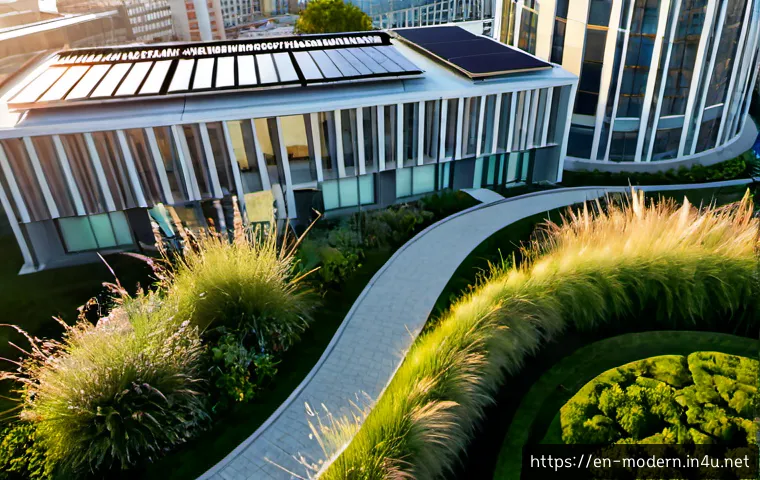
A green roof is a practical choice when the roof structure, waterproofing, drainage, climate, and maintenance plan all support the selected system. For most retrofit projects, a lightweight extensive system is often the first option to evaluate, while intensive rooftop landscapes fit projects that prioritize outdoor amenity space.
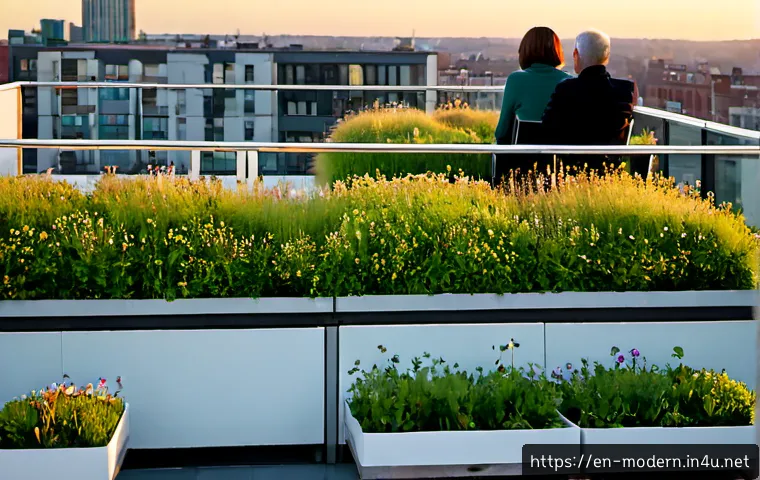
The right choice is not simply the most planted-looking roof; it is the system that matches saturated load capacity and long-term care resources. Installation quotes should be compared by assembly details, warranty responsibility, drainage design, and maintenance scope rather than by the initial figure alone.
A structural assessment and coordinated roofing review are especially important before committing to a vegetated roof on an existing building. Local approvals, fire rules, wind exposure requirements, and insurance conditions may also affect feasibility.
At a Glance
- Low-maintenance coverage: Extensive green roofs generally suit projects seeking shallower growing media and simpler planting.
- Amenity-focused development: Intensive systems can support deeper planting, pathways, and usable outdoor areas, but need greater structural capacity and ongoing care.
- Retrofit buildings: Start with a structural and roofing assessment because the full assembly must be evaluated at its saturated weight.
| System Type | Growing Media and Load Demand | Irrigation and Maintenance | Access and Contractor Scope | Best-Fit Priority |
|---|---|---|---|---|
| Extensive | Typically shallower media and lower structural demand than deeper systems | Usually lower-maintenance planting; irrigation needs depend on local conditions | Roofing coordination, drainage installation, and planned maintenance access | Lightweight coverage, simpler retrofit evaluation, broad roof protection |
| Semi-intensive | More media and planting variety than extensive systems | More regular care may be needed | Landscape installer and roofing contractor coordination becomes more important | Greater visual impact without building a full rooftop landscape |
| Intensive | Deeper planting and higher structural capacity are usually required | Ongoing care and irrigation planning are more significant | Detailed access, safety, drainage, and landscape construction scope | Usable outdoor space, pathways, and amenity-oriented rooftops |
Is a Green Roof a Good Fit for Your Building?
The Short Answer: Match the System to Roof Capacity, Climate, and Maintenance Resources
A green roof is a good fit when its design works as a complete roof assembly rather than as a planting layer added at the end of a project. The assembly generally includes waterproofing, root protection, drainage, filter fabric, growing media, and vegetation. Each layer affects the others, so decisions about plants, drainage products, roof outlets, and waterproofing systems should be coordinated early.
The most important starting point is the roof’s ability to carry the saturated weight of the entire system. Dry material weight is not enough for a sound decision. A qualified structural review and roofing assessment can clarify whether the existing roof condition and proposed assembly are suitable.
Benefits That Matter for Modern Residential, Commercial, and Mixed-Use Projects
When properly designed, a vegetated roof can contribute to stormwater management, roof-surface protection, habitat value, and occupant amenity. The value of each benefit depends on the building, local climate, roof layout, and system specification. A commercial development may focus on long-term roof protection and site planning, while a multifamily project may place greater value on a usable outdoor setting.
For owners and facilities teams, the question is often practical: will the roof be inspected, maintained, and irrigated when needed? A system that fits those resources is more useful than a more elaborate design with no clear maintenance plan.
Cases Where a Conventional Roof May Be the Better Choice
A conventional roof may be the better choice if structural capacity is limited, roof access is difficult, drainage routes cannot be properly protected, or the owner cannot support routine landscape care. It may also be sensible where a roof is approaching waterproofing replacement and the project does not have a coordinated plan for the new membrane, root barrier, outlets, and edge details.
Do not treat a green roof as a shortcut around roof repair. Existing leaks, unclear waterproofing warranty terms, or blocked drainage conditions should be addressed before vegetation is installed.
Compare Green Roof Types Before You Set a Budget
Extensive Systems for Lighter-Weight, Lower-Maintenance Coverage
Extensive systems typically use shallower growing media and lower-maintenance planting than intensive roof gardens. They can be a sensible starting point for buildings seeking vegetated coverage without turning the roof into a heavily programmed outdoor space. This approach may be especially relevant for retrofit discussions, but it still requires a structural assessment and proper commercial roofing coordination.
Key selection point: “Lightweight” does not mean “no engineering review.” The saturated assembly, wind exposure, drainage layout, and roof condition still matter.
Semi-Intensive Systems for More Planting Variety and Visual Impact
Semi-intensive designs sit between basic extensive coverage and a full rooftop landscape. They can allow more planting variety and a stronger visual result, but the added design complexity can increase demands on irrigation, maintenance planning, and contractor coordination. This option can work where the project wants more than simple coverage but does not require major pathways or intensive public use.
Intensive Rooftop Landscapes for Amenities and Usable Outdoor Space
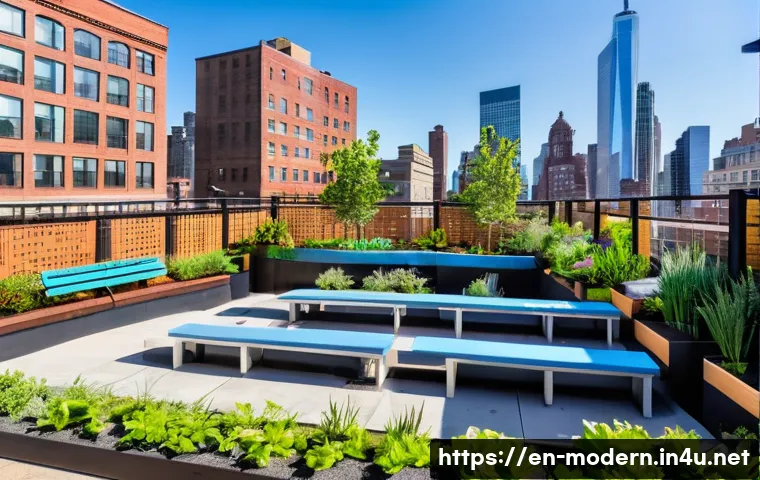
Intensive systems can support deeper planting, pathways, and usable outdoor areas. They are often considered for mixed-use, multifamily, hospitality, and commercial projects where rooftop amenity space is a major design objective. The tradeoff is clear: deeper assemblies generally require greater structural capacity, more detailed drainage and safety planning, and ongoing landscape care.
A rooftop garden should be budgeted as a coordinated building and landscape project, not as a standard roof finish. Structural engineering, waterproofing warranty responsibility, access planning, and maintenance contracts should be clear before work begins.
What Drives Green Roof Installation Cost?
Existing Roof Condition and Waterproofing Replacement
Installation cost depends heavily on the existing roof condition and whether waterproofing needs replacement or repair. Because waterproofing sits beneath the vegetated assembly, access after installation can be more complicated. It is important to understand which contractor is responsible for the membrane, root protection, leak investigation, and any future removal or reinstatement work.
Structural Assessment, Load Upgrades, and Safety Access
A structural assessment can affect project scope, especially on an existing building. The review should consider the saturated roof assembly rather than only dry products. Safety access, maintenance routes, and the practical ability to reach drains and roof outlets can also influence the installation plan and contractor quote.
Drainage Layers, Edge Details, Irrigation, and Plant Choices
Drainage design is essential. Standing water can harm roof performance and plant health, while protected roof outlets help keep drainage routes serviceable. Drainage products, filter fabric, edge details, overflow routes, irrigation access, and vegetation selection should be specified as connected parts of one system.
Plant selection should reflect local climate, wind exposure, roof orientation, irrigation availability, and the maintenance capability of the owner or facilities team. A plant palette that looks suitable in a protected ground-level landscape may not perform the same way on an exposed roof.
Why Lifecycle Maintenance Costs Belong in the Quote Comparison
Do not compare green roof installation quotes only by the initial scope. Ask what is included for inspections, plant establishment, irrigation checks, drainage cleaning, replacement planting, and maintenance access. Exact maintenance costs depend on location, system design, climate, contractor scope, and the level of care required.
A lower initial bid may not represent the lower long-term commitment if warranty responsibility is unclear or if drainage and access details have been omitted.
Design and Installation Steps That Prevent Expensive Mistakes
Start With a Roof Survey and Structural Review
Begin with a roof survey that documents the existing waterproofing condition, outlet locations, slopes, access points, penetrations, edges, and visible drainage concerns. Pair this with a qualified structural review before choosing a system depth or planting concept. This sequence can prevent a design from advancing beyond the roof’s actual capacity.
Specify Waterproofing, Root Protection, and Drainage as One Coordinated Assembly
Waterproofing systems, root protection, drainage layers, filter fabric, growing media, and vegetation should be specified together. Splitting responsibility among separate contractors without defined handoffs can create gaps in warranty scope. A roofing contractor and landscape contractor may both be involved, but their responsibilities should be documented clearly.
Plan for Wind Exposure, Fire Requirements, Overflow Routes, and Maintenance Access
Wind exposure, local fire requirements, uplift rules, maintenance-access requirements, and overflow routes can affect feasibility. These are not final-stage details. They influence system layout, planting selection, edge treatment, and how crews inspect outlets and vegetation after installation.
Avoid Common Errors: Undersized Drainage, Unsuitable Plants, and Unclear Warranty Scope
Common specification problems include undersized or obstructed drainage paths, plant choices that do not match roof exposure, inaccessible outlets, and unclear waterproofing warranty responsibility. Another avoidable mistake is assuming that a visually attractive concept automatically fits the roof structure. The practical solution is a coordinated design review before procurement.
Choosing the Right Approach for Different Building Situations
Existing Buildings and Retrofit Projects
For a retrofit, start conservatively. A lightweight extensive system may be more sensible than a deep rooftop garden when structural capacity, access, or maintenance resources are limited. A qualified assessment is still necessary because existing roof condition and saturated load determine what is feasible.
New Commercial Developments and Multifamily Properties
New projects can coordinate structural design, commercial roofing, drainage products, and amenity planning earlier in the process. This can make it easier to decide whether the roof should provide broad vegetated coverage, a more diverse planted setting, or intensive amenity space. Maintenance access should be designed in from the start rather than added after construction.
Small Residential Roofs, Garages, and Accessory Structures
Smaller roofs can appear simple, but they still require careful review of waterproofing, drainage, edge details, and load. A modest extensive approach may be easier to manage than a design requiring frequent irrigation and intensive care. Confirm local code, permit, fire, and insurance requirements before moving ahead.
Occupied Rooftops Where Amenity Space Is the Priority
Where people will use the roof regularly, intensive landscaping may be appropriate if the structure, access, safety approach, and maintenance program support it. Pathways and deeper planting can add value, but they also increase coordination needs. Treat the roof as an occupied exterior environment with clear inspection and upkeep responsibilities.
Selection Criteria and Comparison Summary
Before requesting green roof installation quotes, check these decision points: structural capacity at saturated weight, the condition and warranty of the waterproofing system, protected drainage and overflow details, realistic irrigation and maintenance responsibilities, roof access for inspections, and local compliance requirements. Ask each bidder whether structural engineering, roofing work, landscape installation, drainage products, and future maintenance are included or excluded. Compare lifecycle responsibilities alongside the initial installation scope, not just the lowest upfront figure. For system specifications, warranty terms, and maintenance conditions, review the relevant contractor or product information page before selecting a proposal.
Final Thoughts
A green roof can be a valuable part of modern building design when it is matched to the roof rather than imposed on it. Extensive systems may offer a practical route for lower-maintenance coverage, while intensive systems can support stronger amenity goals where structural capacity and ongoing care are available. The best outcome comes from coordinating structural review, waterproofing, drainage, planting, and maintenance from the beginning. A clear contractor scope can reduce the risk of costly retrofit work later.
Useful Information to Know
1. Saturated assembly weight is more relevant than dry material weight for structural evaluation.
2. Roof outlets need protection and access because drainage blockage can affect both roof performance and plant health.
3. Plant selection should respond to wind, orientation, climate, irrigation access, and maintenance capability.
4. Local code, fire, wind uplift, access, permit, and insurance requirements can affect project feasibility.
Important Considerations
Exact installation cost, maintenance cost, lifespan, energy performance, and stormwater results vary by location, roof size, climate, structural condition, system specification, and contractor scope. An existing building cannot be assumed to support a green roof without a qualified structural and roofing assessment. Permit, fire, insurance, and incentive requirements should be confirmed with the relevant local authorities, insurer, and project professionals.
Frequently Asked Questions
Q1. How much does a green roof cost to install on a commercial or residential building?
A1. Installation cost varies with roof size, existing roof condition, structural requirements, waterproofing work, drainage design, plant selection, access needs, and contractor scope. Request itemized quotes that identify what is included for structural review, membrane work, drainage, irrigation, installation, and maintenance.
Q2. Is a lightweight extensive green roof safe for an existing building?
A2. An extensive system generally has shallower growing media and lower demand than a deeper intensive landscape, but safety depends on the building’s actual structural capacity and roof condition. The full assembly should be assessed at saturated weight by qualified structural and roofing professionals.
Q3. Should I choose a green roof installer, a roofing contractor, or both?
A3. Many projects need coordinated input from both. A roofing contractor can address waterproofing and roof detailing, while a green roof or landscape installer can address drainage layers, media, vegetation, and maintenance planning. The key is a clear written scope that identifies responsibility for interfaces and warranty coverage.