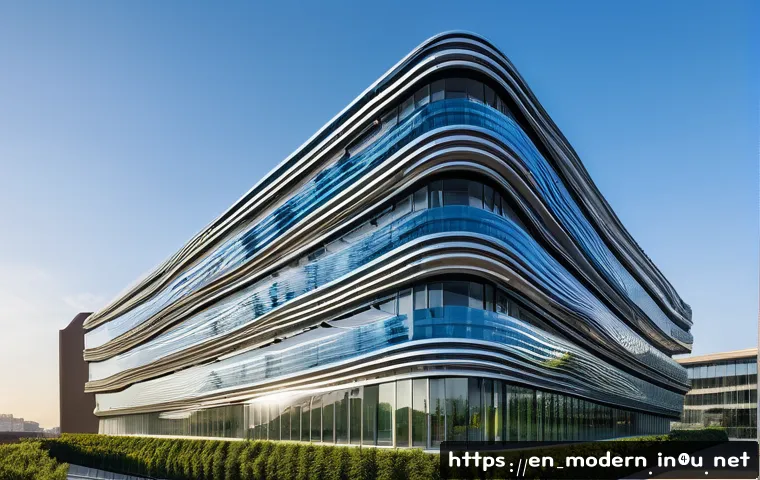
As cities evolve at a breathtaking pace, so does the art of architectural design, pushing the limits of creativity and technology. From dynamic glass facades that respond to sunlight to eco-friendly materials shaping sustainable skylines, modern facades are redefining urban aesthetics and functionality.
If you’ve ever wondered how buildings can both inspire and innovate, you’re in the right place. Let’s dive into the most groundbreaking facade designs that are not just transforming cityscapes but also influencing how we experience the urban environment every day.
Stick around—this exploration might just change the way you see the buildings around you!
Revolutionizing Urban Identity Through Facade Innovation
Adaptive Facades: Buildings That Breathe and Respond
Imagine a building that adjusts its skin throughout the day, reacting to sunlight, temperature, and even wind patterns. Adaptive facades are no longer a futuristic concept but a present-day reality, blending architecture with smart technology.
These systems can open or close panels, change opacity, or even shift colors to optimize natural lighting and ventilation. I recently visited a building where the facade literally danced with the sun, reducing energy consumption significantly while creating an ever-changing visual spectacle.
This dynamic interaction not only improves occupant comfort but also reduces reliance on artificial climate control, making it a win for both aesthetics and sustainability.
Material Innovations: Beyond Glass and Steel
While glass and steel remain staples, new materials are reshaping facade possibilities. From bio-based composites to self-healing concrete, architects are experimenting with substances that enhance durability and eco-friendliness without sacrificing design freedom.
I was particularly struck by a recent project using translucent wood panels that let in soft light while maintaining privacy—something traditional materials struggle with.
These innovations allow facades to do more than just protect; they become active contributors to the building’s life cycle, improving insulation and reducing environmental impact.
Interactive Facades: Engaging the Public Sphere
The boundary between a building and its surroundings is blurring thanks to interactive facades. These surfaces can display digital art, respond to pedestrian movement, or even harvest energy.
Walking past one such building downtown, I noticed the facade lighting up in response to footsteps, creating a playful connection between architecture and people.
This kind of engagement transforms facades into social canvases, adding a layer of cultural interaction that elevates the urban experience. It’s like the building is not just a backdrop but a participant in city life.
Embracing Sustainability with Smart Envelope Design
Passive Solar Strategies in Facade Architecture
Incorporating passive solar design principles into facades is proving to be a game changer for energy efficiency. By carefully orienting windows, shading devices, and thermal mass, buildings can capture winter sun and block summer heat naturally.
I’ve noticed how some recently completed office towers use angled louvers and deep-set windows to balance daylight and glare without mechanical intervention.
This approach not only trims energy costs but also creates a more pleasant indoor environment, proving that sustainable design and occupant wellbeing go hand in hand.
Green Facades: Nature’s Role in Urban Cooling
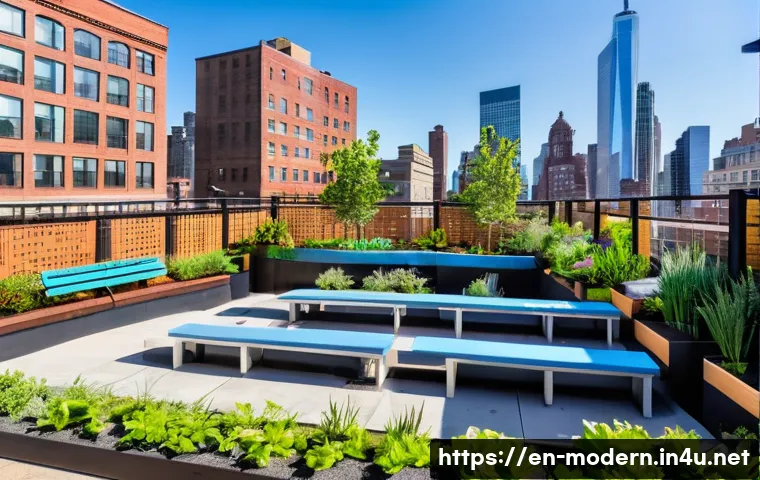
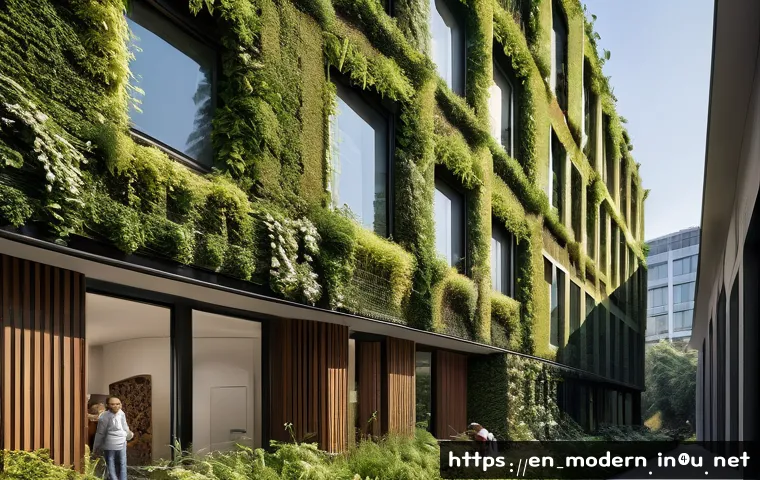
Green walls and vertical gardens are no longer niche but a vital part of urban architecture. These living facades help reduce the urban heat island effect, improve air quality, and provide aesthetic relief from concrete jungles.
On a recent stroll, I saw a commercial building wrapped in lush ivy and flowering plants that seemed to hum with life. Besides their beauty, these green facades act as natural insulators, lowering cooling demands during hot seasons.
What’s more, they offer a habitat for urban wildlife, reconnecting cities with nature in a subtle yet impactful way.
Energy Harvesting Facades: Powering Buildings Sustainably
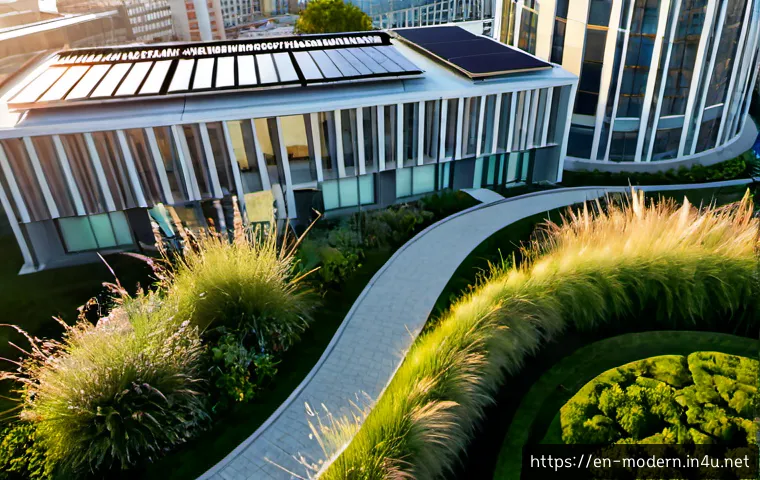
Solar panels integrated into facades are becoming more sophisticated, with thin-film photovoltaics and building-integrated photovoltaics (BIPV) allowing for seamless energy generation.
I’ve visited a residential complex where every window and balcony glass is embedded with solar cells, producing enough electricity to power common areas.
This dual functionality means the facade is not only a protective layer but also a renewable energy source, pushing buildings closer to net-zero energy goals.
The key here is the balance between efficiency and design, ensuring the technology enhances rather than detracts from the building’s character.
Technological Mastery in Facade Fabrication and Assembly
Parametric Design: Tailoring Complexity with Precision
The rise of parametric design tools has unlocked unprecedented complexity in facade geometry. Architects can now create fluid, organic shapes that were previously impossible or cost-prohibitive.
I once attended a talk where a designer explained how algorithms helped them craft a twisting facade that captures wind patterns and sunlight uniquely on each surface panel.
This level of customization means every facet of a building’s skin can be optimized for performance and expression, turning architecture into a kind of digital craftsmanship that feels both high-tech and artisanal.
Prefabrication and Modular Facade Systems
Prefabricated facade components are speeding up construction timelines while ensuring quality control. Modular systems allow for quick assembly on-site, reducing waste and labor costs.
On a recent project tour, I saw how entire facade sections were manufactured off-site with precision, including integrated insulation and finishes, and then simply “plugged in” during installation.
This method not only shortens schedules but also enhances safety and sustainability by minimizing on-site disruption. The result? Sleek, seamless exteriors delivered faster and more reliably.
3D Printing and New Frontiers in Facade Fabrication
3D printing technology is beginning to influence facade design by enabling intricate details and custom textures that would be difficult to achieve otherwise.
I came across a pavilion where the facade was printed layer by layer with eco-friendly materials, producing a delicate lattice that balanced light filtration and structural integrity.
Though still emerging, this approach promises to revolutionize how we think about facade construction, opening doors to bespoke designs that marry art and engineering in entirely new ways.
Balancing Transparency and Privacy in Urban Facades
Smart Glass Technologies
Smart glass, capable of switching between transparent and opaque states, has become a favored solution for balancing daylight access with privacy needs.
I’ve experienced offices where windows instantly darken to reduce glare or enhance confidentiality during meetings, all controlled by simple apps. This technology offers dynamic control over the environment, reducing the need for blinds or curtains and contributing to a cleaner, more minimal aesthetic.
It’s a small feature with outsized impact on occupant comfort and energy savings.
Layered Facade Systems for Visual and Acoustic Comfort
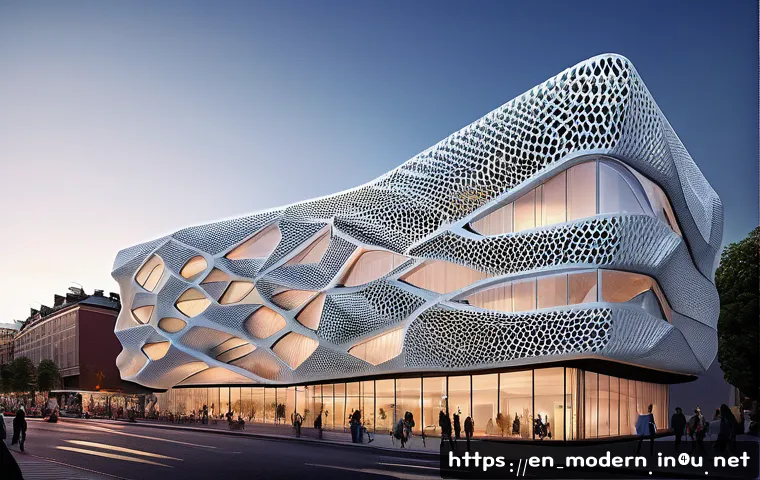
Layering materials—such as combining glass with perforated metal or mesh screens—can provide both privacy and noise reduction without sacrificing openness.
One building I visited uses this technique to create semi-transparent layers that filter views and soften street noise, making the interior feel calm despite its central location.
These multi-layered facades act like urban filters, carefully modulating sensory input and helping occupants maintain a connection to the outside world without feeling exposed or overwhelmed.
Dynamic Shading Devices
Shading devices that adjust automatically based on sun position or user preference help maintain comfortable interior conditions while preserving views.
I recall a residential tower where horizontal louvers tilt throughout the day, reducing heat gain and glare but still allowing residents to enjoy panoramic city views.
This interplay between control and openness creates a facade that’s both functional and inviting. Such systems demonstrate how thoughtful design can enhance everyday living by responding intuitively to changing conditions.
Facade Design as a Storytelling Medium
Cultural Expression Through Architectural Skin
Some facades go beyond function and aesthetics to narrate cultural stories and local heritage. I recently explored a museum whose exterior incorporated traditional patterns reinterpreted in modern materials, creating a dialogue between past and present.
This storytelling aspect enriches the building’s identity and deepens community connection. It’s fascinating how a facade can become a canvas that preserves history while inviting contemporary interpretation, making the architecture resonate on a personal level.
Light and Shadow as Dynamic Narrative Tools
Designers are increasingly using light and shadow to create evolving visual stories on building exteriors. Facades with perforations or sculpted surfaces cast changing patterns throughout the day, turning the building into a living artwork.
I remember standing by one such structure at sunset, mesmerized by how the interplay of light created shifting motifs that felt almost poetic. This use of natural phenomena as a design element adds depth and emotion, inviting passersby to pause and engage with the architecture in a new way.
Integrating Art and Technology for Urban Impact
Collaborations between artists, architects, and technologists have produced facades that double as large-scale installations. Interactive projections, kinetic elements, and responsive lighting all contribute to facades that captivate and inspire.
One installation I encountered used sensors to change facade visuals based on weather and time, creating a living billboard for creativity. Such integrations elevate buildings beyond mere shelter, turning them into cultural landmarks that enrich the urban tapestry.
| Facade Innovation | Key Features | Benefits | Example Applications |
|---|---|---|---|
| Adaptive Facades | Responsive panels, dynamic shading, solar tracking | Energy efficiency, occupant comfort, aesthetic dynamism | Office towers, museums, residential complexes |
| Green Facades | Vertical gardens, living walls, bio-based materials | Urban cooling, air purification, biodiversity support | Commercial buildings, public spaces, schools |
| Smart Glass | Switchable transparency, glare control, privacy settings | Daylight optimization, user control, reduced energy use | Corporate offices, healthcare, high-end residences |
| Parametric Design | Algorithmic modeling, complex geometries, custom panels | Unique aesthetics, optimized performance, fabrication precision | Cultural centers, landmark buildings, experimental projects |
| Prefabrication | Modular panels, off-site assembly, integrated systems | Faster construction, quality control, waste reduction | High-rise buildings, hotels, mixed-use developments |
Future Directions in Facade Design and Urban Integration
Hybrid Facades Combining Multiple Technologies
The future lies in hybrid facades that integrate adaptive elements, green technologies, and energy harvesting into a cohesive system. I foresee buildings where facades automatically adjust for climate, generate power, and nurture plant life simultaneously.
These integrated skins would turn architecture into a living organism, capable of responding holistically to environmental and human needs. It’s thrilling to imagine such synergies becoming standard practice, reshaping cities into truly smart ecosystems.
Human-Centered Facade Design
As our understanding of wellbeing deepens, facades will increasingly prioritize human experience—balancing daylight, views, privacy, and connection to nature.
From my experience visiting various innovative buildings, those that focus on occupant comfort and psychological needs stand out as truly inspiring places to work and live.
Future facades will likely incorporate sensors and AI to personalize environments, making buildings more adaptive to individual lifestyles and preferences.
Resilience and Climate Adaptation
With climate challenges intensifying, facades must also become resilient shields against extreme weather. Innovations like self-cleaning surfaces, flood-resistant materials, and thermal buffering will be critical.
I’ve seen prototypes designed to withstand harsh storms while maintaining transparency and aesthetic appeal. These advancements will ensure buildings not only survive but thrive in changing climates, protecting both inhabitants and urban infrastructure.
In Closing
The evolution of facade design is reshaping how we experience urban environments, blending technology, sustainability, and art into living architecture. These innovations not only enhance building performance but also deepen our connection to the spaces we inhabit. As facades become smarter and more responsive, they promise to transform cities into dynamic ecosystems that prioritize both people and the planet.
Useful Insights to Remember
1. Adaptive facades optimize natural light and ventilation, significantly reducing energy use while enhancing occupant comfort.
2. Incorporating green walls and bio-based materials improves urban air quality and helps combat heat island effects.
3. Smart glass technology offers flexible privacy and daylight control, contributing to both aesthetics and energy efficiency.
4. Prefabricated and modular facade systems speed up construction and reduce waste without compromising quality.
5. Hybrid facade solutions combining multiple technologies will define the future of sustainable, resilient urban buildings.
Key Takeaways
Facade innovation is no longer just about aesthetics but a multidisciplinary approach that integrates environmental performance, occupant wellbeing, and cultural storytelling. Embracing adaptive, green, and smart technologies ensures buildings are energy-efficient and responsive to climate challenges. Meanwhile, advances in fabrication and materials enable precise, sustainable construction. Ultimately, successful facade design balances transparency and privacy, functionality and beauty, creating urban landmarks that engage and inspire.
Frequently Asked Questions (FAQ) 📖
Q: What are dynamic glass facades, and how do they benefit modern buildings?
A: Dynamic glass facades are innovative building exteriors that can adjust their transparency or shading in response to sunlight and environmental conditions.
This technology helps control indoor temperatures by reducing heat gain during hot days and allowing sunlight in during colder periods. From my experience visiting buildings with such facades, they not only enhance energy efficiency but also create a comfortable and visually appealing atmosphere inside.
Plus, they contribute to lowering utility bills and reducing the building’s carbon footprint, making them a smart choice for sustainable urban design.
Q: How do eco-friendly materials impact the design and sustainability of city skylines?
A: Eco-friendly materials, such as recycled metals, sustainably sourced wood, and low-emission concrete, play a crucial role in shaping greener skylines.
Using these materials minimizes environmental damage and supports healthier urban living. I’ve noticed that buildings incorporating these materials often have a unique, natural aesthetic that stands out from traditional concrete-and-glass structures.
Beyond looks, they help reduce waste and pollution during construction and improve the building’s lifecycle sustainability, which is essential as cities strive for carbon neutrality.
Q: In what ways do modern facade designs influence how people experience urban environments?
A: Modern facades do much more than just cover a building—they actively shape our daily interactions with urban spaces. For example, facades with interactive lighting or responsive elements can make streets feel safer and more vibrant at night.
From walking through neighborhoods with these designs, I’ve felt a stronger connection to the space, as if the buildings are part of a living city conversation.
These facades can also improve natural light inside, encourage social engagement by creating inviting storefronts, and even promote wellbeing by reducing noise and pollution exposure.
In short, they transform buildings from static structures into dynamic participants in city life.