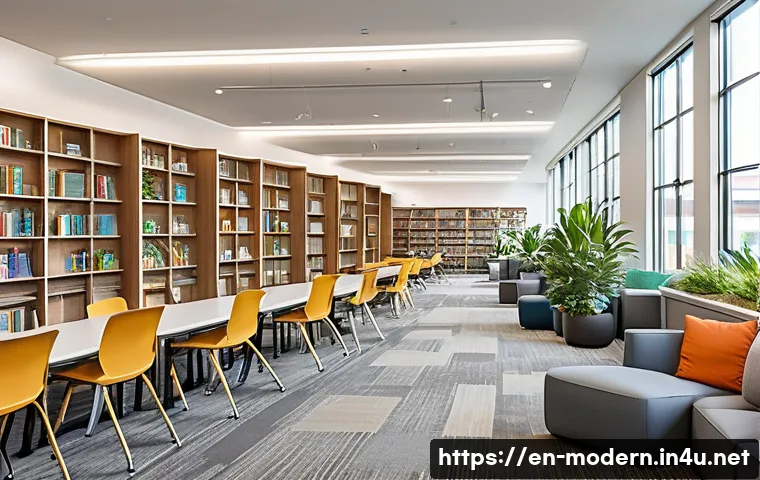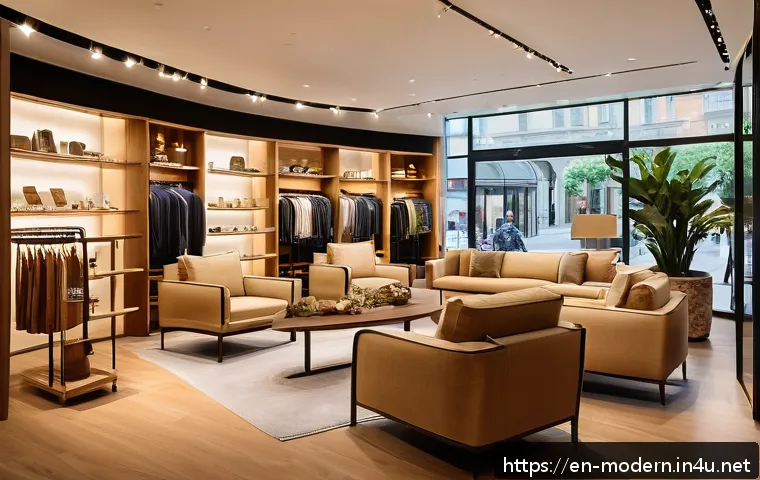
In today’s fast-evolving retail landscape, the way a store looks and feels can make or break customer loyalty. With shoppers seeking more immersive and personalized experiences, modern commercial architecture is stepping up as a powerful tool to shape brand identity and drive engagement.
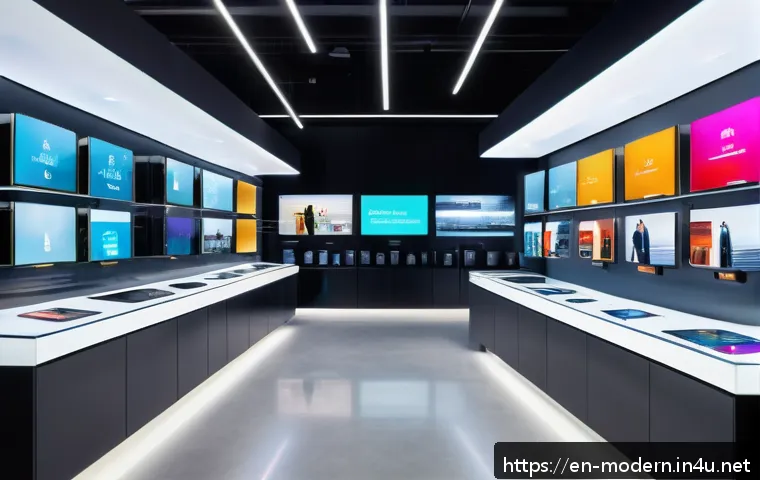
From sleek, tech-integrated designs to sustainable materials, these innovations don’t just catch the eye—they tell a story that resonates deeply with consumers.
As the lines between online and offline shopping blur, retailers are reimagining spaces to create memorable journeys that keep customers coming back. Let’s dive into how these architectural trends are revolutionizing retail and transforming the way we connect with brands.
Creating Emotional Connections Through Store Atmosphere
Designing for Multi-Sensory Experiences
When you step into a retail space that truly understands its customers, it’s not just about what you see. The smells, sounds, and even the textures under your fingertips all contribute to how you feel about a brand.
I remember visiting a boutique where the subtle scent of vanilla and soft jazz playing in the background immediately put me at ease, making me linger longer than I expected.
This kind of multi-sensory design helps build emotional bonds that go beyond the product itself. Retailers who invest in these details often see customers returning not just for shopping but for the overall experience.
It’s like the store speaks directly to your senses, creating a memory that’s hard to forget.
Lighting as a Storyteller
Lighting is more than just illumination; it’s a narrative tool. I’ve noticed that stores using dynamic lighting shifts — like warm tones near cozy seating areas and cooler, focused lights on product displays — guide customers naturally through the space.
This subtle choreography encourages exploration without feeling forced. It also enhances product appeal and can highlight brand values, such as sustainability by using natural daylight or energy-efficient LEDs.
The interplay of shadows and light can evoke moods, from excitement to calm, influencing how shoppers interact with the merchandise and ultimately their purchase decisions.
Flexible Layouts for Personalized Journeys
Rigid, grid-like store layouts are becoming a thing of the past. From my visits to several concept stores, what stood out was how adaptable the space was — movable fixtures, pop-up zones, and customizable displays allowed the store to evolve with seasonal campaigns or customer feedback.
This flexibility not only keeps the store fresh but also empowers customers to create their own shopping narrative. It’s like the store invites you to be part of its story, adapting to your preferences and making every visit unique.
This approach significantly boosts engagement and fosters loyalty.
Integrating Technology Seamlessly Into Retail Spaces
Augmented Reality for Interactive Shopping
Augmented reality (AR) is no longer just a gimmick; it’s a practical tool that enhances shopping in real-time. I had the chance to try on virtual clothes through an AR mirror at a fashion store, which saved me time and made the experience fun.
This tech integration allows customers to experiment without commitment, reducing hesitation and increasing confidence in purchases. AR also adds a wow factor that turns a simple visit into an immersive adventure, perfectly blending the digital with the physical world.
Smart Shelves and Personalized Recommendations
Smart shelves equipped with sensors and screens are transforming how customers discover products. When I walked past one in a tech store, it recognized my interest and displayed tailored recommendations along with reviews and special offers.
This technology acts like a personal shopping assistant, offering curated choices that feel less like advertising and more like helpful advice. It’s a subtle but effective way to deepen engagement and drive sales while respecting the customer’s time and preferences.
Contactless and Mobile Payment Innovations
The rise of contactless payments and mobile wallets has reshaped checkout experiences. I’ve experienced how seamless it feels when you don’t have to wait in line or fumble for cash or cards.
Retailers who embrace these payment technologies improve convenience and reduce friction, which makes customers more likely to return. Plus, integrating loyalty programs directly into mobile payments adds another layer of value, rewarding customers instantly and encouraging repeat visits.
Eco-Friendly Materials and Sustainable Design Choices
Recycled and Renewable Materials in Construction
Seeing stores built with reclaimed wood, recycled metals, or biodegradable panels has become more common, and for good reason. From my observations, these materials don’t just look stylish and modern; they tell a powerful story about the brand’s commitment to sustainability.
Customers today are increasingly eco-conscious, and when a store’s architecture reflects these values, it builds trust and loyalty. Plus, many of these materials age beautifully, adding character and authenticity to the space over time.
Energy Efficiency as a Core Design Principle
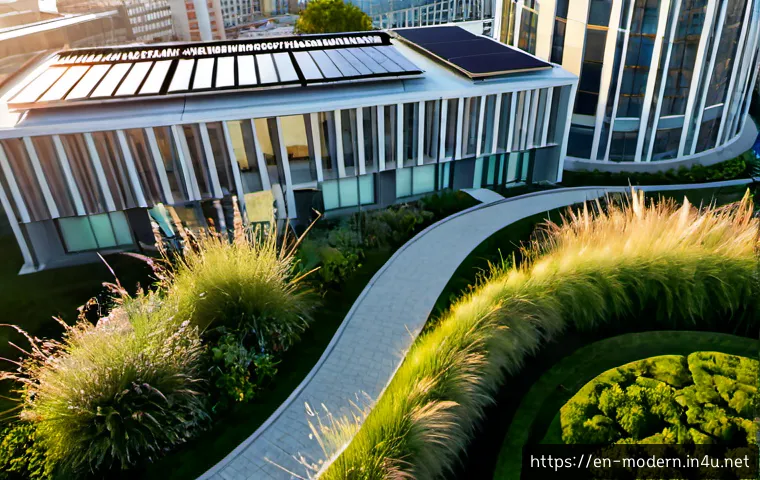
Sustainability isn’t just about materials — energy-efficient design plays a huge role. I’ve been impressed by stores that use solar panels, advanced insulation, and smart climate control systems to reduce their carbon footprint.
These features lower operating costs and signal to customers that the brand cares about the planet. Experiencing a cool, naturally lit store powered partly by renewable energy just feels right — it aligns the shopping experience with a broader purpose beyond commerce.
Biophilic Design Bringing Nature Indoors
Incorporating natural elements like living walls, indoor gardens, and water features creates a calming environment that enhances well-being. I remember spending extra time in a bookstore because of the lush greenery and natural light that made it feel like a sanctuary.
This biophilic approach connects shoppers with nature, reducing stress and encouraging longer visits. It’s a subtle but impactful way to improve mood and satisfaction, which can translate into stronger brand affinity.
Designing Spaces That Encourage Social Interaction
Community Zones and Experience Hubs
Retail spaces are evolving into community hubs where social interaction is encouraged. I’ve seen stores with dedicated areas for workshops, talks, or casual meetups that turn shopping into a social event.
These zones foster a sense of belonging and invite customers to engage with the brand on a deeper level. It’s more than just buying products; it’s about being part of a community that shares values and interests.
Comfortable Seating and Lounge Areas
Including comfortable seating areas makes a huge difference. From personal experience, having a cozy spot to relax during shopping trips extends my visit and often leads to spontaneous purchases.
These lounges offer a break from the hustle and bustle, making the store feel welcoming and customer-centric. It also encourages people to bring friends or family, turning shopping into a shared experience.
Interactive Displays for Collaborative Exploration
Interactive displays invite customers to explore products together, sparking conversations and shared discoveries. I once watched a group of friends testing out a tech gadget on a touchscreen display, laughing and exchanging opinions.
These setups create memorable moments that make shopping fun and social, strengthening emotional connections with the brand.
Blurring Boundaries Between Online and Offline Retail
Click-and-Collect and Instant Pickup Zones
The convenience of online shopping combined with immediate in-store pickup is a game-changer. I personally appreciate when I can order online and swing by the store to grab my items without waiting.
This hybrid model reduces delivery anxiety and encourages foot traffic, offering retailers an opportunity to engage customers face-to-face. It’s a smart way to integrate digital convenience with physical presence.
Digital Showrooms and Virtual Catalogs
Digital showrooms let customers browse extensive product lines without cluttering the floor. I’ve enjoyed exploring virtual catalogs on large touchscreens that display 3D models and detailed info.
This approach maximizes space while providing rich content that online shoppers expect, all within a tactile, sensory-rich environment. It’s a clever fusion that satisfies the desire for discovery and immediacy.
Personalized In-Store Digital Assistance
Personalized digital assistants, often AI-powered, offer tailored advice and product info in real time. From my experience, chatting with a digital assistant on a kiosk or app while in-store feels like having a knowledgeable friend nearby.
It enhances decision-making and adds a layer of convenience that complements human staff, making the shopping journey smoother and more satisfying.
Architectural Elements That Reflect Brand Values
Minimalism to Convey Clarity and Modernity
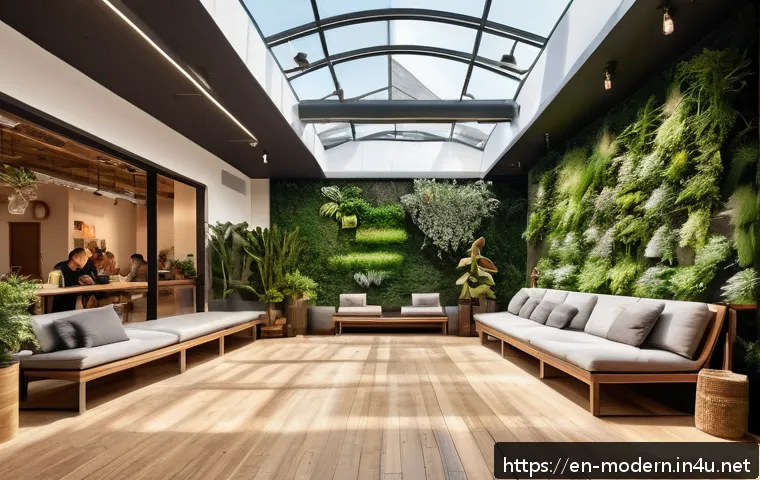
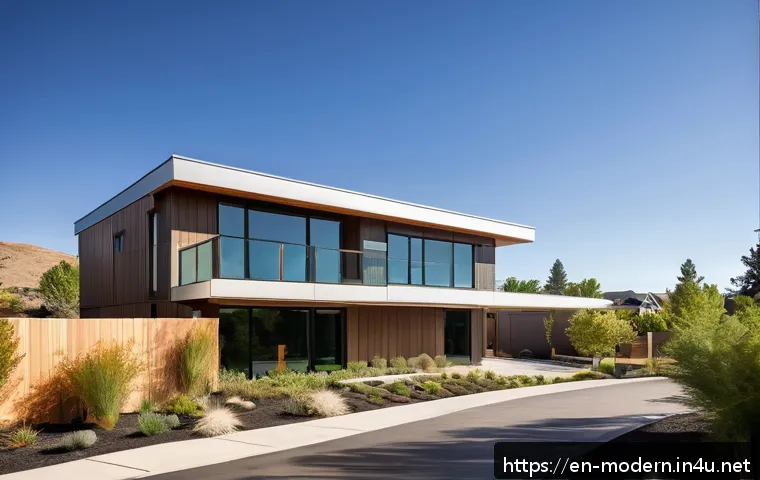
Brands aiming for a sleek, modern image often opt for minimalist architecture. I find these spaces calming and focused, where every element has a purpose.
The clean lines and uncluttered layouts communicate transparency and sophistication, which can be especially appealing in tech or luxury sectors. It’s a visual shorthand for quality and trustworthiness.
Heritage-Inspired Designs for Authenticity
Some brands embrace historical or cultural motifs in their architecture to emphasize authenticity. Visiting a store designed with local artisan touches or vintage elements creates a narrative of tradition and craftsmanship.
This approach resonates deeply with customers who value heritage and story, giving the brand a unique identity that stands out in a crowded market.
Bold, Experimental Structures for Innovation
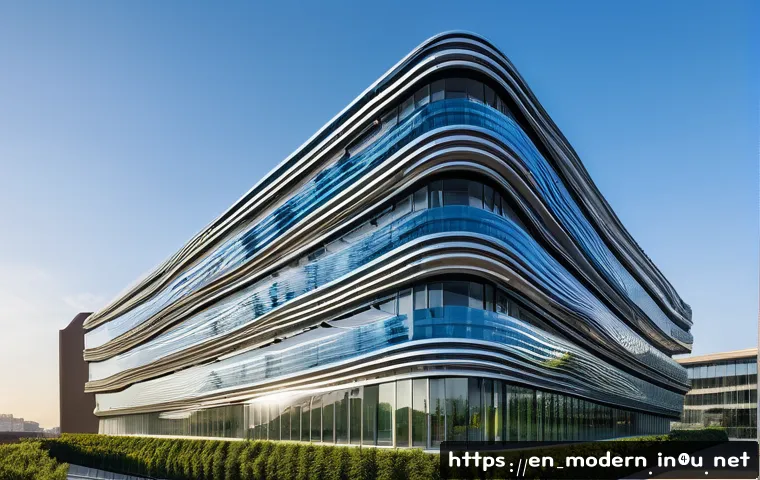
On the flip side, some retailers choose daring, avant-garde designs to showcase innovation. I recall a flagship store with striking geometric shapes and unexpected materials that felt like stepping into the future.
These bold architectural choices signal creativity and leadership, attracting trend-conscious shoppers eager to be part of something cutting-edge.
| Architectural Trend | Customer Benefit | Brand Impact | Example Elements |
|---|---|---|---|
| Multi-Sensory Design | Enhanced emotional connection, longer visits | Stronger loyalty, memorable brand experience | Scent, sound, texture integration |
| Tech Integration | Convenience, interactive shopping | Increased engagement, higher conversion | AR mirrors, smart shelves, contactless payments |
| Sustainable Materials | Eco-conscious shopping, improved store ambiance | Trust building, positive brand image | Recycled wood, solar panels, biophilic design |
| Social Spaces | Comfort, community involvement | Increased foot traffic, brand affinity | Lounges, event zones, interactive displays |
| Omni-Channel Integration | Flexibility, convenience | Seamless experience, customer retention | Click-and-collect, digital catalogs, AI assistants |
| Brand-Reflective Architecture | Clear brand messaging | Unique identity, market differentiation | Minimalist, heritage, or bold designs |
Maximizing Store Layout for Customer Flow and Comfort
Guiding Movement with Strategic Pathways
Thoughtful store layouts guide customers naturally from entrance to key product areas. From my time visiting various retailers, those that use curved paths or visual cues like lighting and signage keep me engaged without feeling lost or rushed.
It’s like a well-planned journey, where the store gently nudges you toward discovery instead of overwhelming you. This ease of navigation increases dwell time and encourages impulse buys.
Balancing Open Spaces and Intimate Corners
A mix of open areas and cozy nooks creates a balanced environment that caters to different shopping moods. I enjoy stores that offer wide aisles for quick browsing but also quiet corners where I can focus on products or chat with staff.
This duality respects different customer preferences and enhances overall satisfaction, making the space inviting for both hurried shoppers and leisurely explorers.
Ergonomics and Accessibility for Inclusivity
Inclusive design is crucial. Stores that prioritize wide aisles, ramp access, and clear signage send a welcoming message to everyone. I’ve noticed that when a store is easy to navigate regardless of physical ability, it reflects genuine care and professionalism.
This not only broadens the customer base but also strengthens the brand’s reputation for empathy and inclusivity.
Using Color and Texture to Influence Shopper Behavior
Color Psychology in Retail Design
Colors influence mood and behavior in subtle but powerful ways. Warm colors like reds and oranges can energize shoppers, encouraging quick decisions, while cooler tones like blues and greens promote calm and trust.
I’ve seen stores use vibrant accent walls to highlight promotions or soft pastels to create a relaxing atmosphere for high-end products. Understanding and applying color psychology helps brands steer customer emotions and actions effectively.
Texture as a Tactile Invitation
Textures invite touch, which deepens engagement. I’ve found that stores featuring natural textures like wood grain, stone, or woven fabrics make me more likely to pick up and explore products.
This sensory involvement builds a tactile connection that digital shopping can’t replicate. Textured surfaces also add visual interest and warmth, making the environment feel more authentic and less sterile.
Combining Patterns for Visual Interest
Mixing patterns thoughtfully creates dynamic spaces that capture attention without overwhelming. For example, geometric tiles paired with soft textiles can balance modernity and comfort.
I remember a home goods store where patterned rugs contrasted beautifully with sleek furniture, encouraging me to imagine how items might look in my own space.
This layered approach to design sparks creativity and emotional resonance.
Emphasizing Transparency and Open Design
Glass Walls and Open Facades
Stores that embrace transparency with glass walls invite curiosity and openness. Walking by such a store, I often find myself drawn in by the clear view of products and lively activity inside.
This openness breaks down barriers between brand and customer, signaling honesty and confidence. It also allows natural light to flood the space, enhancing mood and reducing energy use.
Open-Plan Interiors for Community Feel
Open interiors foster a sense of community and accessibility. I’ve experienced how open-plan layouts encourage interaction between customers and staff, creating a friendly atmosphere.
This design reduces visual clutter and supports flexibility in merchandising, adapting easily to changing trends or events. It’s a modern approach that feels inviting rather than intimidating.
Visible Behind-the-Scenes Areas
Some retailers showcase their craftsmanship or production processes through visible workspaces or open kitchens. This transparency builds trust by demystifying the brand’s operations.
When I’ve seen artisans crafting products on-site, it deepened my appreciation and connection to the brand. It’s a powerful storytelling tool that highlights authenticity and quality.
In Conclusion
Creating an inviting store atmosphere that connects emotionally with customers goes far beyond just product placement. By thoughtfully integrating sensory elements, technology, sustainability, and community-focused spaces, retailers can craft memorable experiences that foster loyalty and drive sales. The blend of innovation and authenticity ultimately makes each visit unique and meaningful.
Helpful Information to Keep in Mind
1. Multi-sensory design enhances customer emotions and encourages longer visits, making the shopping experience more memorable.
2. Seamless tech integration like AR and smart shelves offers convenience and personalized interactions, boosting engagement and confidence in purchases.
3. Using eco-friendly materials and energy-efficient features not only supports sustainability but also strengthens brand trust and appeal.
4. Designing social spaces such as lounges and event zones fosters community, turning shopping into a shared and enjoyable experience.
5. Balancing online and offline retail with digital showrooms and click-and-collect services provides flexibility and enhances customer satisfaction.
Key Takeaways
Successful retail design hinges on creating an environment that is both inviting and functional, where every element reflects the brand’s values and connects with customers on a deeper level. Incorporating sensory experiences, technology, sustainability, and social engagement leads to stronger emotional bonds and increased loyalty. Thoughtful store layouts and transparent designs improve comfort and accessibility, making shopping smoother and more enjoyable. Retailers who embrace these principles can differentiate themselves in a competitive market and cultivate lasting relationships with their customers.
Frequently Asked Questions (FAQ) 📖
Q: How does modern commercial architecture influence customer loyalty in retail stores?
A: Modern commercial architecture plays a crucial role in building customer loyalty by creating an environment that feels inviting and aligned with a brand’s identity.
When shoppers walk into a store that combines sleek design, technology, and comfort, they’re more likely to have a positive emotional connection. This connection encourages repeat visits because the space offers more than just products—it delivers an experience that resonates personally.
From my own visits to tech-savvy stores with interactive displays, I noticed how these thoughtful designs keep me engaged longer and even spark conversations about the brand.
Q: What are some key architectural trends that retailers are adopting to enhance the shopping experience?
A: Retailers today are embracing several architectural trends to stand out. First, integrating technology seamlessly—like digital signage, augmented reality, or smart fitting rooms—creates a futuristic feel that excites customers.
Second, sustainability is a big focus, with stores using eco-friendly materials and natural lighting, which not only appeals to environmentally conscious shoppers but also creates a warm, authentic atmosphere.
Lastly, flexible layouts that can be easily adapted for events or seasonal changes keep the space fresh and dynamic. I’ve personally enjoyed shopping in stores where the layout shifts regularly, making each visit feel new and inviting.
Q: How are physical retail spaces evolving to compete with the convenience of online shopping?
A: Physical retail spaces are transforming from simple transaction points into immersive brand experiences that online shopping can’t replicate. Retailers are focusing on creating memorable journeys—think interactive zones, personalized services, and social spaces where customers can linger and connect.
These elements build a sense of community and exclusivity. For example, some stores offer workshops or live demos that engage customers beyond just buying products.
From what I’ve experienced, these strategies make brick-and-mortar shopping feel more valuable and enjoyable, encouraging me to return rather than click “add to cart” online.