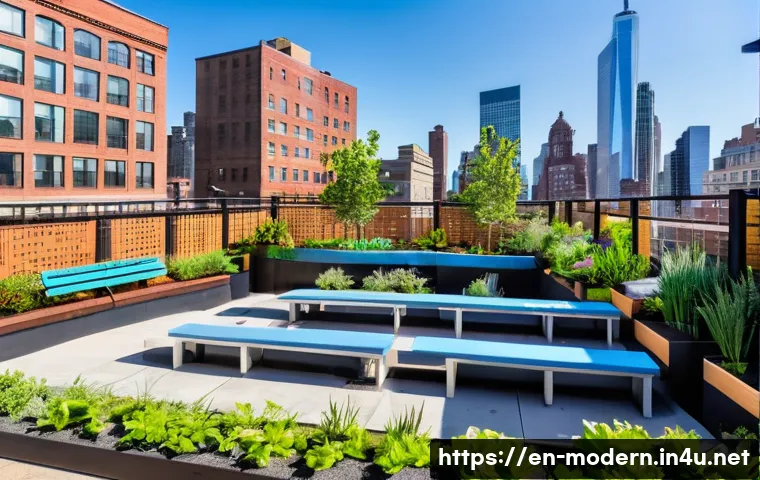
In recent years, rooftop gardens have transformed urban skylines into lush, green sanctuaries. These elevated green spaces not only enhance the aesthetic appeal of modern buildings but also contribute to environmental sustainability by reducing heat islands and improving air quality.
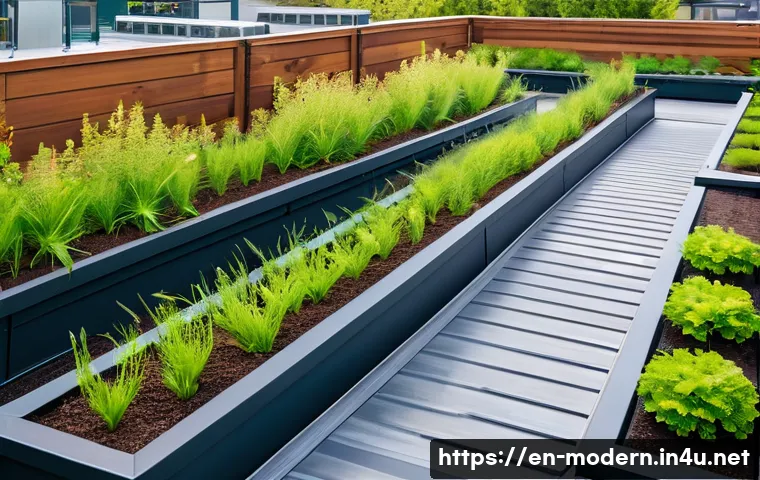
Architects and city planners are increasingly embracing rooftop gardens as a smart solution for urban living challenges. From innovative designs to multifunctional spaces, these gardens offer a perfect blend of nature and architecture.
Exploring some remarkable examples reveals how creativity and eco-consciousness come together at new heights. Let’s dive in and explore these inspiring rooftop garden cases in detail!
Innovative Use of Space: Urban Rooftop Gardens as Community Hubs
Transforming Unused Rooftops into Vibrant Social Spaces
In many cities, rooftops have long been neglected as mere functional necessities—places for HVAC units or storage. However, the trend of converting these often-overlooked areas into vibrant green spaces has revolutionized urban living.
Imagine stepping out of your apartment building onto a lush garden filled with native plants, seating areas, and even small playgrounds for kids. Such spaces encourage social interaction among residents who might otherwise never meet.
From my own experience visiting a rooftop garden in Brooklyn, I noticed how the space was buzzing with neighbors sharing coffee, working on laptops, and even hosting small community events.
This shift not only adds greenery to the cityscape but fosters a sense of belonging and community that is rare in densely populated areas.
Design Elements That Encourage Engagement
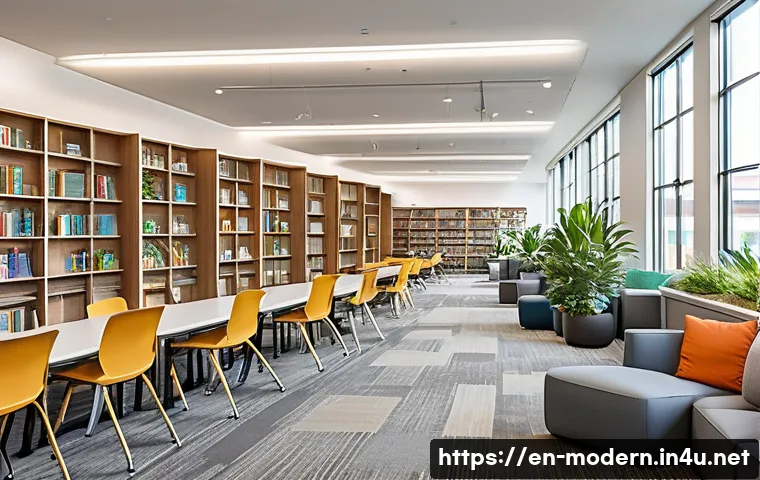
What sets successful rooftop gardens apart is their intentional design to invite people in. Comfortable seating, shaded areas, and pathways that meander through plantings all contribute to making these spaces welcoming.
I’ve seen rooftop gardens that incorporate art installations and water features, adding sensory dimensions beyond just greenery. These elements encourage visitors to linger longer, which can increase positive social interactions and mental well-being.
Plus, multifunctional areas such as outdoor yoga zones or communal vegetable plots add layers of activity that appeal to a broad range of users, making the garden a versatile urban oasis.
Balancing Privacy and Community in Shared Spaces
One challenge with rooftop gardens is balancing communal use with the need for privacy. In dense urban environments, rooftop gardens often serve residents from multiple units or even the public.
Thoughtful landscaping—using shrubs, trellises, and pergolas—can create intimate niches where individuals or small groups feel comfortable without being overlooked.
From what I’ve observed in several rooftop projects, designers who prioritize this balance create spaces that feel inclusive yet personal, helping users to relax and recharge amidst the city buzz.
Environmental Impact: How Rooftop Gardens Cool Cities and Clean Air
Mitigating Urban Heat Island Effect
Urban heat islands cause city temperatures to soar well above those in surrounding rural areas due to extensive concrete and asphalt surfaces absorbing and radiating heat.
Rooftop gardens play a critical role in cooling these environments by introducing vegetation that shades surfaces and promotes evapotranspiration. I recall reading a study where buildings with green roofs experienced surface temperatures up to 30°F cooler during peak summer days, significantly reducing energy demands for air conditioning.
This cooling effect not only benefits the building itself but also helps reduce overall city temperatures, making urban areas more comfortable and sustainable.
Enhancing Air Quality through Vegetation
Plants in rooftop gardens act as natural air filters, trapping dust, pollutants, and absorbing carbon dioxide while releasing oxygen. This is especially vital in congested urban centers where air pollution levels can be hazardous.
I’ve personally noticed a fresher, cleaner atmosphere around large rooftop gardens during visits to several metropolitan areas. Moreover, the diversity of plant species used—ranging from grasses and shrubs to small trees—can influence the effectiveness of pollutant removal.
Some rooftop gardens even incorporate specific plants known for their high air-purifying capabilities, contributing to healthier urban living spaces.
Stormwater Management and Sustainable Drainage
Rooftop gardens also serve as natural sponges, absorbing rainwater that would otherwise overwhelm city drainage systems, leading to flooding and water pollution.
The soil and plant roots retain and slowly release water, reducing runoff. In one of my visits to a green rooftop in Chicago, I learned that such systems can retain up to 75% of annual rainfall.
This retention not only protects municipal infrastructure but also replenishes groundwater. By combining different soil depths and plant types, designers optimize water retention and support diverse plant life, making these rooftops crucial players in urban water management strategies.
Architectural Marvels: Blending Structure and Nature Seamlessly
Engineering Challenges and Solutions
Creating rooftop gardens requires careful structural considerations to handle additional weight from soil, plants, and water. Engineers must assess load capacity and incorporate waterproofing layers and root barriers to prevent damage.
In my conversations with architects, I learned that modern lightweight soil substrates and modular planting systems have made rooftop gardens more feasible on a wider range of buildings.
Innovations such as drip irrigation systems and automated sensors also reduce maintenance burdens. These technological advancements allow rooftop gardens to thrive even on older buildings without compromising structural integrity.
Integrating Gardens into Architectural Aesthetics
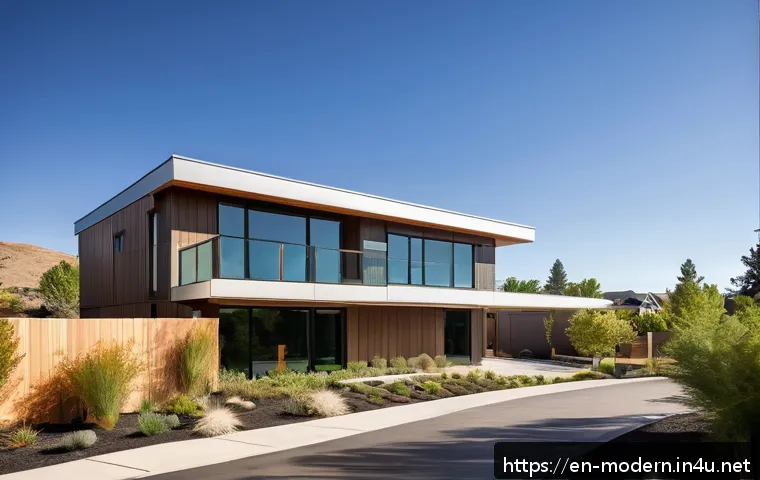
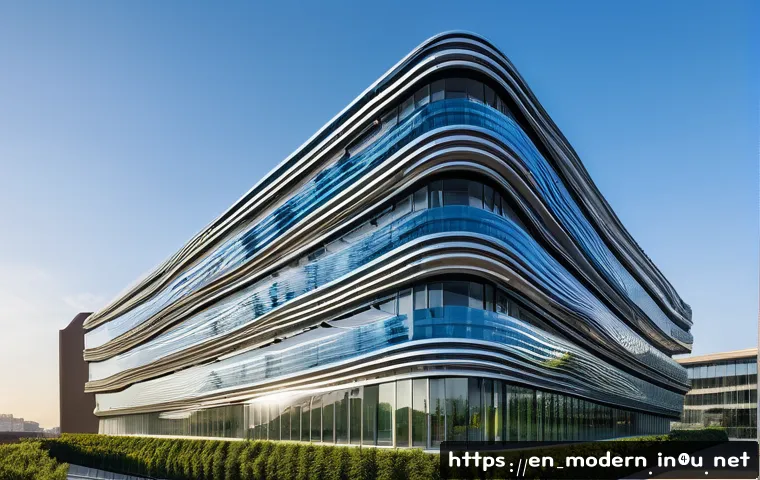
Rooftop gardens are no longer afterthoughts but integral parts of architectural design. Many new developments feature green roofs as signature elements, visible from neighboring skyscrapers or even from the street level.
For example, some buildings use terraced gardens that cascade down the façade, softening harsh concrete lines and creating visual continuity between nature and structure.
My visits to these sites revealed how well-planned planting schemes can complement architectural styles, whether sleek and modern or more traditional.
This synergy elevates the building’s identity while providing ecological benefits.
Innovative Multi-Level Green Spaces
Some architects push boundaries by designing multi-tiered rooftop gardens that incorporate walkways, seating areas, and even small ponds on different levels.
These vertical landscapes maximize limited urban space and create immersive environments. I once toured a rooftop garden in San Francisco that featured three distinct zones: a meditation garden, an edible herb section, and a play area for kids, all layered vertically.
This approach allows buildings to offer diverse experiences within a compact footprint, showcasing how creativity can transform urban rooftops into multifunctional green retreats.
Social and Economic Benefits Beyond Aesthetics
Boosting Property Values and Tenant Satisfaction
From firsthand accounts of property managers, rooftop gardens significantly increase tenant satisfaction, leading to higher occupancy rates and rental premiums.
Residents appreciate the access to private green spaces, which provide a welcome escape from busy city life. In some cases, buildings with rooftop gardens have commanded rents up to 15% higher than comparable properties without such amenities.
This economic incentive encourages more developers to invest in green roofs, creating a virtuous cycle where environmental and financial benefits go hand in hand.
Creating Jobs and Supporting Local Economies
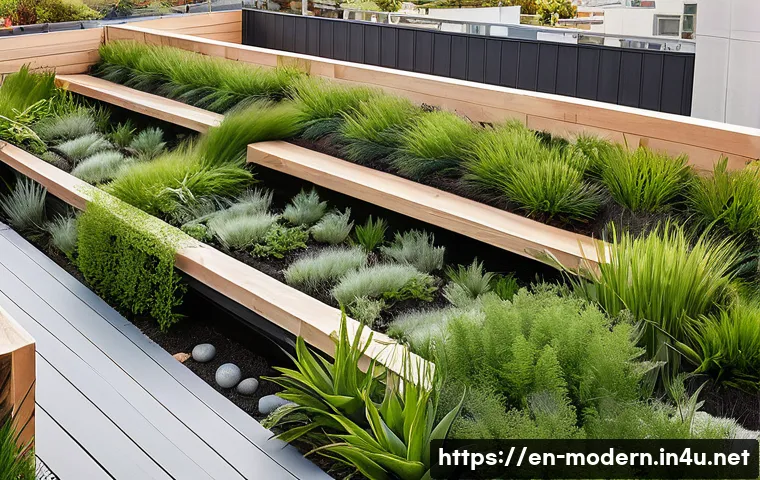
Rooftop garden projects generate employment opportunities for landscape architects, horticulturists, maintenance staff, and suppliers of plants and materials.
Community-based initiatives that involve residents in planting and upkeep further enhance local engagement and skills development. In cities like Portland and Vancouver, green roof programs have become important components of urban sustainability plans, supporting small businesses specializing in eco-friendly landscaping.
From what I’ve seen, these projects foster a sense of ownership and pride, strengthening community ties while boosting the local green economy.
Encouraging Urban Agriculture and Food Security
Some rooftop gardens go beyond ornamentation by incorporating edible plants, herbs, and small fruit trees, contributing to urban food production. I’ve visited rooftop farms in New York and Toronto where residents participate in growing fresh produce, reducing food miles and promoting healthy eating.
These urban agriculture initiatives also serve educational purposes, teaching children and adults about sustainable farming practices. By integrating food production into rooftop gardens, cities can enhance food security and reconnect people with the source of their meals.
Technological Advances Enabling Smarter Rooftop Gardens
Smart Irrigation and Water Conservation Systems
Modern rooftop gardens increasingly rely on technology to optimize water usage. Automated irrigation systems equipped with soil moisture sensors deliver water precisely when and where it’s needed, preventing waste.
I experienced such a system firsthand during a visit to a green roof in Seattle, where the garden thrived despite frequent dry spells. These smart systems can be programmed remotely, allowing property managers to monitor and adjust watering schedules easily, which is especially useful for large-scale rooftop installations.
Renewable Energy Integration
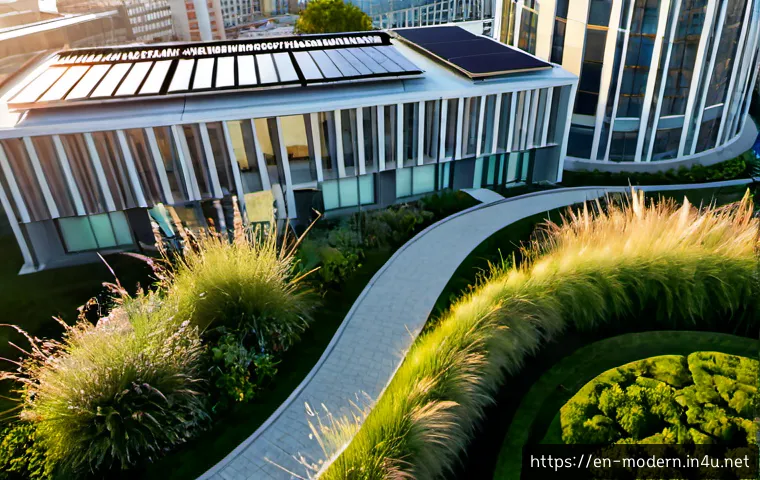
Combining rooftop gardens with solar panels is a growing trend that maximizes rooftop utility. The vegetation cools the solar panels, improving their efficiency, while solar energy powers garden irrigation and lighting systems.
At one building I toured in Los Angeles, the synergy between greenery and solar arrays was evident—lush plants shaded the roof while solar panels gleamed nearby, creating a sustainable energy ecosystem.
This integrated approach highlights how rooftop spaces can contribute to broader sustainability goals.
Monitoring Environmental Impact with IoT Devices
Internet of Things (IoT) technology is increasingly used to monitor rooftop gardens’ health and environmental contributions. Sensors track temperature, humidity, air quality, and soil conditions in real time, enabling data-driven maintenance and impact assessment.
I found it fascinating how these systems help gardeners anticipate plant needs and demonstrate the garden’s role in reducing urban heat and improving air quality.
This transparency also supports building certifications like LEED, reinforcing the garden’s value beyond aesthetics.
Challenges and Future Directions in Rooftop Garden Development
Addressing Maintenance and Long-Term Viability
One of the biggest hurdles for rooftop gardens is ensuring consistent maintenance to keep plants healthy and systems functioning. Without proper care, gardens can quickly deteriorate, wasting initial investments.
In my discussions with building managers, regular maintenance contracts and resident involvement were key to success. Education on seasonal care, pest management, and irrigation adjustments helps sustain these spaces long-term.
Future developments may include more low-maintenance native plants and self-sustaining ecosystems to reduce upkeep demands.
Overcoming Regulatory and Structural Barriers
Building codes and zoning regulations sometimes complicate rooftop garden installation, especially on older buildings. Structural reinforcements or permits may be required, adding time and cost.
However, cities that recognize the environmental and social benefits of green roofs are beginning to incentivize their adoption through grants and relaxed regulations.
From what I’ve observed, advocacy and pilot projects demonstrating feasibility are vital to overcoming these barriers, paving the way for wider implementation.
Expanding Accessibility and Inclusivity
Ensuring rooftop gardens are accessible to all residents, including those with mobility challenges, is crucial for equitable urban design. Thoughtful inclusion of ramps, wide pathways, and seating areas benefits everyone.
I’ve seen some rooftop gardens incorporate universal design principles, making these green spaces welcoming to diverse users. Looking ahead, expanding public access to rooftop gardens—transforming them from exclusive amenities to shared community resources—could further enhance urban livability and social equity.
| Aspect | Benefit | Example | Impact |
|---|---|---|---|
| Urban Heat Island Reduction | Lower rooftop temperatures | Chicago green roof | Up to 30°F cooler surface temps, reduced AC use |
| Air Quality Improvement | Pollutant filtration and oxygen release | New York rooftop garden | Cleaner urban atmosphere, health benefits |
| Stormwater Management | Reduced runoff, groundwater replenishment | Seattle green roof system | 75% rainfall retention, flood mitigation |
| Community Engagement | Social interaction and mental well-being | Brooklyn community garden | Increased resident satisfaction and cohesion |
| Economic Value | Higher rents and property values | Downtown apartment buildings | Up to 15% rent increase |
| Technological Integration | Smart irrigation and monitoring | Seattle rooftop garden | Water savings, improved plant health |
Conclusion
Urban rooftop gardens are transforming cityscapes by creating green, social, and sustainable spaces that enhance both environmental quality and community life. From cooling urban heat islands to fostering neighborly connections, these gardens offer multifaceted benefits that extend well beyond aesthetics. As technology and design innovations continue to evolve, rooftop gardens will play an even greater role in shaping healthier, more vibrant urban environments.
Useful Information to Remember
1. Rooftop gardens help reduce urban heat by cooling building surfaces, lowering energy costs for air conditioning.
2. Vegetation in these gardens improves air quality by filtering pollutants and releasing fresh oxygen.
3. They serve as natural rainwater sponges, managing stormwater and preventing city flooding.
4. Thoughtful design encourages social interaction while maintaining personal privacy for users.
5. Integrating smart technologies like automated irrigation and environmental sensors enhances garden sustainability and ease of maintenance.
Key Takeaways
Rooftop gardens are a powerful tool for urban sustainability, offering environmental, social, and economic advantages. Successful projects balance community engagement with privacy, leverage smart technologies for efficient care, and overcome regulatory and structural challenges through innovative design. By increasing property values, supporting local jobs, and promoting urban agriculture, these green spaces contribute significantly to healthier, more livable cities for all residents.
Frequently Asked Questions (FAQ) 📖
Q: What are the main environmental benefits of rooftop gardens in urban areas?
A: Rooftop gardens play a significant role in improving urban environments. They help reduce the urban heat island effect by cooling the surrounding air, which lowers energy consumption for air conditioning.
Additionally, these green spaces improve air quality by filtering pollutants and producing oxygen. They also aid in stormwater management by absorbing rainwater, reducing runoff and the risk of flooding.
From my experience visiting several rooftop gardens, the noticeable drop in temperature and fresher air around these areas truly highlight their environmental impact.
Q: How do rooftop gardens enhance the aesthetic and functional value of buildings?
A: Rooftop gardens transform otherwise unused or plain rooftops into vibrant, multifunctional spaces that boost a building’s visual appeal. They provide residents or workers with relaxing green retreats, often featuring seating areas, walking paths, and even urban farming plots.
This not only elevates the building’s market value but also promotes well-being by offering a natural escape in the city. In some cases, architects creatively integrate these gardens into the building’s design, making them a seamless part of the structure rather than an afterthought, which I find particularly impressive.
Q: What challenges should one expect when designing or maintaining a rooftop garden?
A: Designing and maintaining rooftop gardens come with unique challenges. Structural support is critical since rooftops must bear the weight of soil, plants, and water, so engineers need to assess load capacities carefully.
Waterproofing is another concern to prevent leaks and damage to the building below. Maintenance can be more demanding than ground-level gardens due to accessibility issues and exposure to harsher weather conditions, like wind and sun.
However, I’ve noticed that with proper planning—such as selecting drought-resistant plants and installing efficient irrigation systems—these challenges become manageable, making rooftop gardens both practical and sustainable.