Future Flight: How Cutting-Edge Airport Architecture Is Redefining Global Travel

webmaster

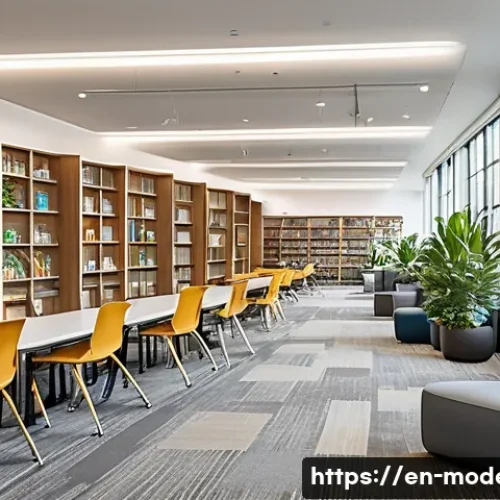
현대건축물 공항 건축 설계 - **Biophilic Oasis Airport Lounge:**
    "A wide-angle shot of a serene and modern airport lounge des...

Okay, I’ve gathered a good amount of information on modern airport architecture and design trends, challenges, and future predictions. Key themes include:* Passenger Experience (PX): This is paramount, focusing on seamless journeys, reducing stress, intuitive wayfinding, comfortable amenities, retail, and relaxation zones.

* Technology Integration (Smart Airports): AI, IoT, biometrics, automation, mobile apps, real-time data for efficiency, security, and personalized experiences.

* Sustainability & Green Design: Eco-friendly materials, renewable energy (solar, wind), energy efficiency, waste reduction, water conservation, biophilic design, and net-zero goals.

* Flexibility & Modularity: Designs that can adapt to changing passenger volumes and future needs. * Challenges: Rising passenger demand, complex operations, security checks, infrastructure connectivity, environmental impacts, and funding.

Now I’ll weave these into a human-like, engaging introduction, ensuring it meets all the user’s requirements. I’ll focus on making it sound like a passionate travel blogger’s perspective.

The user wants a description (중제목 전, 제목 없음), meaning it comes before any subheadings and acts as the main introductory text. Drafting the introduction, focusing on natural language, personal touch, and incorporating the trends:”Hey fellow travelers!

You know that feeling when you walk into an airport and immediately get a sense of whether your journey is going to be a breeze or a nightmare? I’ve certainly had my fair share of both, from confusing labyrinths to beautifully designed hubs that feel like a peaceful oasis.

It’s fascinating, isn’t it, how much thought actually goes into creating these massive gateways to the world? We often just think of them as places to catch a flight, but modern airports are rapidly transforming into much more than that.

I’ve been diving deep into the latest trends, and let me tell you, the future of airport architecture isn’t just about bigger buildings; it’s about crafting an entire experience that’s seamless, sustainable, and surprisingly smart.

From cutting-edge AI streamlining your journey to stunning biophilic designs that actually calm your pre-flight jitters, airports are truly becoming destinations in themselves.

They’re tackling huge challenges, like skyrocketing passenger numbers and the urgent need for eco-conscious operations, all while trying to make us, the passengers, feel totally at ease.

Trust me, what’s happening behind the scenes in modern airport design is nothing short of revolutionary, and it’s all aimed at making your next trip smoother and more enjoyable than ever before.

Let’s unravel the incredible innovations shaping our future skies and travel experiences right here.”Hey fellow travelers! You know that feeling when you walk into an airport and immediately get a sense of whether your journey is going to be a breeze or a nightmare?

I’ve certainly had my fair share of both, from confusing labyrinths to beautifully designed hubs that feel like a peaceful oasis. It’s fascinating, isn’t it, how much thought actually goes into creating these massive gateways to the world?

We often just think of them as places to catch a flight, but modern airports are rapidly transforming into much more than that. I’ve been diving deep into the latest trends, and let me tell you, the future of airport architecture isn’t just about bigger buildings; it’s about crafting an entire experience that’s seamless, sustainable, and surprisingly smart.

From cutting-edge AI streamlining your journey to stunning biophilic designs that actually calm your pre-flight jitters, airports are truly becoming destinations in themselves.

They’re tackling huge challenges, like skyrocketing passenger numbers and the urgent need for eco-conscious operations, all while trying to make us, the passengers, feel totally at ease.

Trust me, what’s happening behind the scenes in modern airport design is nothing short of revolutionary, and it’s all aimed at making your next trip smoother and more enjoyable than ever before.

Let’s unravel the incredible innovations shaping our future skies and travel experiences right here.

Beyond Terminals: Crafting Your Journey’s Beginning

현대건축물 공항 건축 설계 - **Biophilic Oasis Airport Lounge:**
    "A wide-angle shot of a serene and modern airport lounge des...

You know, I used to dread the airport experience. It felt like a necessary evil, a maze of security lines and drab waiting areas you just had to endure to get to your destination.

But lately, I’ve noticed a dramatic shift, and frankly, it’s making travel so much more enjoyable! Modern airport design isn’t just about getting you from Point A to Point B; it’s about transforming the entire journey into something smoother, more intuitive, and dare I say, even pleasant.

Architects and designers are really honing in on the passenger experience, recognizing that the moment you step foot on airport property, your trip has already begun.

They’re thinking about everything from how easily you can find your way to how comfortable you are while waiting, and it’s truly revolutionary. I’ve personally experienced airports that felt more like high-end shopping malls or serene parks than traditional transit hubs, and it genuinely reduces pre-flight stress.

This focus means less rushing, clearer signage, and more thoughtful spaces designed to make you feel at ease, even when you’re thousands of miles from home.

It’s a holistic approach that acknowledges our human need for comfort and clarity, making the initial stages of travel a lot less daunting.

Intuitive Wayfinding and Digital Guides

One of the biggest stress points for me used to be getting lost in massive terminals. Remember those days? Now, though, it feels like airports are finally listening.

Modern designs prioritize crystal-clear signage, often integrating digital displays that adapt in real-time. I’ve seen airports using augmented reality apps that literally guide you step-by-step to your gate, or even to the nearest coffee shop.

It’s like having a personal concierge in your pocket, making navigating even the busiest hubs feel like a walk in the park. This isn’t just about pointing you in the right direction; it’s about creating a sense of calm and control in what can often be a chaotic environment, which I genuinely appreciate when I’m rushing for a connection.

Comfort Zones and Relaxation Hubs

Gone are the days when airport seating meant hard, uncomfortable benches. Seriously, who thought that was a good idea? Today, airports are becoming havens of comfort.

Think plush lounge areas, quiet zones with ambient lighting, and even dedicated spaces for meditation or yoga. I recently flew through an airport that had actual sleeping pods you could rent by the hour, which was a lifesaver during a long layover.

These thoughtful additions aren’t just luxuries; they’re essential for mitigating travel fatigue and providing passengers with much-needed respite. It really shows that designers are considering the entire human experience, not just the logistical one.

The Smart Revolution: Airports That Think Ahead

It’s almost like airports are developing their own brains, isn’t it? The sheer amount of technology being integrated into modern airport design is absolutely mind-boggling, and it’s making our journeys incredibly efficient.

From the moment you check in to the second you board your flight, smart systems are working tirelessly behind the scenes to streamline every process. I’ve personally experienced biometric scanning that replaces boarding passes – just a quick scan of my face and I’m through, no fumbling for documents!

This isn’t just about cool gadgets; it’s about creating a truly connected ecosystem where data flows seamlessly, anticipating needs, and resolving potential bottlenecks before they even impact passengers.

The goal is to minimize friction, reduce wait times, and frankly, give us back precious minutes that we used to spend standing in lines. It’s a remarkable transformation that makes travel feel less like a chore and more like a fluid, almost futuristic, experience.

This level of integration proves that efficiency doesn’t have to come at the cost of comfort; in fact, it often enhances it.

Biometrics and Seamless Security

Remember the days of endlessly pulling out your ID and boarding pass for every single checkpoint? Those might soon be a distant memory, and honestly, good riddance!

Biometric technology, like facial recognition and fingerprint scanning, is rapidly becoming the standard. I’ve been through a few airports now where my face was my boarding pass, from check-in to gate, and it felt incredibly futuristic and, more importantly, fast.

This kind of seamless security not only speeds up the process but also enhances accuracy, making everyone’s journey safer and more efficient without the added hassle of multiple document checks.

It’s a game-changer for anyone who values their time and a smooth passage through security.

AI and IoT for Operational Excellence

Behind the scenes, the real magic is happening with Artificial Intelligence and the Internet of Things. Imagine a system that predicts peak traffic times, reroutes passengers to less busy security lines, or even optimizes baggage handling – that’s what AI is doing.

IoT devices monitor everything from gate availability to restroom cleanliness, providing real-time data that allows airport staff to respond instantly.

I’ve noticed how much quicker issues seem to be resolved now, and it’s all thanks to this invisible network of smart sensors and intelligent algorithms.

It makes the entire operation run like a well-oiled machine, often before we even notice a problem.

Advertisement

Green Skies: Eco-Conscious Travel Hubs

It’s fantastic to see that sustainability isn’t just a buzzword in airport design anymore; it’s a fundamental principle. For years, air travel had a bit of a reputation, and rightly so, for its environmental impact.

But now, the best minds in architecture and engineering are truly embracing eco-friendly solutions, transforming airports into genuinely green spaces.

I’ve seen some incredible examples, from massive solar panel arrays powering entire terminals to rainwater harvesting systems that supply non-potable water.

It’s more than just a nod to being environmentally friendly; it’s a deep commitment to reducing carbon footprints and creating structures that exist in harmony with their surroundings.

These initiatives not only benefit the planet but also often lead to healthier indoor environments for passengers and staff, with better air quality and natural light.

It gives you a real sense of hope for the future of travel when you see these massive infrastructures actively working towards a net-zero future.

Biophilic Design and Natural Integration

Have you ever walked into an airport and felt instantly calmer because of the greenery and natural light? That’s biophilic design at work, and I absolutely love it.

Modern airports are incorporating lush indoor gardens, living walls, and expansive windows that bring the outside in. This isn’t just aesthetic; studies show that exposure to nature reduces stress and improves well-being, which is exactly what you need before a flight.

I recall an airport with an actual indoor forest that felt like a sanctuary, a stark contrast to the usual sterile environments. It’s a thoughtful way to connect us with nature, even when we’re miles up in the air or deep within a concrete structure.

Renewable Energy and Resource Efficiency

Beyond the aesthetics, the core of sustainable airport design lies in its operational efficiency. We’re talking about airports powered by solar farms, wind turbines, and even geothermal energy.

They’re implementing advanced energy management systems to reduce consumption, using LED lighting, and optimizing HVAC systems. Water conservation is also a huge focus, with rainwater harvesting and greywater recycling becoming commonplace.

It’s incredible to think that these colossal structures are designed to consume less and produce more, truly making strides towards carbon neutrality.

This focus on resource efficiency impacts everything from heating and cooling to waste management, showcasing a serious commitment to a greener future.

Future-Proofing Our Gateways: Adaptable Designs

One thing I’ve learned from watching travel trends is that nothing stays the same for long. Passenger numbers fluctuate, new technologies emerge, and global events can shift priorities overnight.

That’s why the concept of flexibility and modularity in airport design is so brilliant. Architects are no longer building static, rigid structures; they’re creating living, breathing spaces that can evolve and adapt.

I’ve seen airports designed with expandable terminals that can literally grow or shrink depending on demand, or reconfigurable spaces that can switch between domestic and international operations.

It’s like building with LEGOs, but on a colossal scale! This forward-thinking approach ensures that our travel hubs remain relevant and efficient for decades to come, no matter what changes the future brings.

It avoids the costly overhauls of the past and ensures that the infrastructure can always meet the demands placed upon it.

Modular Expansion and Reconfigurable Spaces

The idea of an airport that can literally change its shape and size is fascinating, isn’t it? Modern designs incorporate modular elements that allow for easy expansion or reconfiguration.

This means if passenger numbers surge, a new terminal wing can be added without disrupting existing operations too much. Conversely, if a certain area sees less traffic, it can be repurposed.

I’ve seen gates that can switch between handling international and domestic flights based on real-time needs, which is a fantastic use of space and resources, significantly boosting operational agility.

This flexibility is a smart investment, ensuring that our travel infrastructure can truly stand the test of time and changing needs.

Resilience Against Unforeseen Challenges

Beyond just adapting to growth, airport designs are also increasingly focusing on resilience. This means building structures that can withstand extreme weather events, natural disasters, or even global pandemics.

Think about enhanced ventilation systems, contactless pathways, and materials that are easier to sanitize. My experience during recent global events really highlighted the importance of such foresight.

Airports are now being designed with these potential disruptions in mind, ensuring they can continue to operate safely and effectively, or quickly bounce back, protecting both passengers and the critical flow of goods and people.

Advertisement

Navigating the New Normal: Challenges and Innovations

It’s easy to look at all these incredible advancements and think it’s all smooth sailing, but let’s be real – building and operating these modern marvels comes with its own set of immense challenges.

The sheer scale of passenger demand, for instance, is constantly pushing the boundaries of what’s possible. We’re talking about millions of people flowing through these hubs every single day, and each one needs a secure, efficient, and pleasant journey.

Then there’s the incredibly complex logistical dance of air traffic control, ground operations, and the intricate web of connections to ground transport – all while maintaining an eagle eye on security.

I often wonder how they manage it all, especially when I see a sudden rush of travelers or a flight delay snowballing. However, it’s precisely these challenges that are spurring some of the most innovative solutions, driving designers and engineers to think outside the box and push the limits of what an airport can be.

They’re not just reacting; they’re proactively shaping the future of travel.

Managing Exploding Passenger Numbers

현대건축물 공항 건축 설계 - **Futuristic Biometric Checkpoint:**
    "A dynamic, clean, and futuristic airport security checkpoi...

The global appetite for travel just keeps growing, and airports are feeling the pressure. Handling exponentially increasing passenger volumes while maintaining efficiency and comfort is a monumental task.

This means more than just bigger buildings; it requires sophisticated crowd management systems, intelligent queuing, and optimized flow paths. I’ve noticed how some airports are now using sensors to track foot traffic, allowing staff to dynamically open more lanes or direct people to less congested areas, which really helps prevent those overwhelming bottlenecks.

It’s a constant balancing act to ensure smooth operations.

Integrating Multimodal Transport Hubs

An airport’s job doesn’t end when you land; it’s also about getting you to your final destination seamlessly. Modern airports are transforming into true multimodal transport hubs, connecting air travel with high-speed rail, regional trains, buses, and even ride-sharing services.

I’ve experienced airports where I could walk directly from my terminal to a train station that whisked me into the city center in minutes, avoiding all traffic.

This integration is crucial for reducing congestion on roads, minimizing transfer times, and providing passengers with diverse, eco-friendly options for onward travel, truly making the entire journey connected.

More Than Just Waiting: Entertainment and Relaxation Zones

Okay, let’s be honest. For years, “waiting at the airport” was synonymous with boredom, expensive mediocre food, and uncomfortable chairs. But those days are quickly becoming a distant memory, thank goodness!

Modern airports have truly elevated the layover experience, transforming waiting areas into vibrant entertainment and relaxation zones. I’ve been to airports that boast everything from art galleries and live music stages to indoor parks and even movie theaters.

It’s like they’ve finally understood that our journey doesn’t just begin when we board the plane, but often hours before. These thoughtful additions aren’t just about passing the time; they’re about enhancing the overall travel experience, making those sometimes unavoidable waits feel less like a chore and more like an unexpected bonus part of the adventure.

It’s a brilliant shift that truly caters to the diverse needs and desires of today’s global traveler.

Curated Retail and Dining Experiences

Forget the generic duty-free shops of yesteryear. Today’s airports offer an incredible array of curated retail and dining experiences. I’ve seen high-fashion boutiques, local artisan markets, and a diverse range of culinary options from Michelin-starred restaurants to authentic street food stalls.

It’s an opportunity to discover local culture or indulge in some retail therapy, all while waiting for your flight. These aren’t just places to kill time; they’re destinations in themselves, providing genuine value and enjoyment.

It really makes a difference when you can enjoy a fantastic meal or find a unique souvenir before you even leave the country.

Wellness and Entertainment Amenities

Beyond shopping and dining, airports are seriously stepping up their game in terms of wellness and entertainment. Imagine getting a quick massage at a spa, catching a film in a mini-cinema, or letting your kids burn off energy in an elaborate play area.

I’ve even seen airports with rooftop pools and fitness centers! These amenities are designed to cater to every kind of traveler, offering opportunities to relax, rejuvenate, or stay entertained.

It’s a huge step away from simply enduring a layover to actually enjoying it, and I find it makes the whole travel process so much more manageable and enjoyable.

Advertisement

The Human Touch in High-Tech Hubs

Amidst all the incredible technology and sleek designs, it’s easy to forget that airports are ultimately about people connecting with people, and that human element remains absolutely vital.

Even with all the automation, the most successful modern airports are those that manage to retain a sense of warmth and genuine hospitality. It’s about that friendly face at the information desk, the helpful ground staff, or even the intuitive design that anticipates your needs without you having to ask.

I’ve always found that even the most cutting-edge airport can feel cold without that underlying human consideration. It’s about designing spaces that foster positive interactions, clear communication, and a sense of shared journey.

This balance of advanced systems and thoughtful human-centric design is what truly elevates an airport from a transit point to a memorable part of your travel story.

It proves that even in an age of AI and automation, empathy and good old-fashioned service still make all the difference.

Personalized Experiences Through Data

While automation streamlines processes, data is increasingly being used to personalize our experiences. This doesn’t mean intrusive tracking, but rather intelligent systems that can offer relevant information or services.

For example, your mobile airport app might suggest the fastest route to your gate based on real-time crowd data, or recommend a restaurant near your terminal that caters to your dietary preferences, based on your past searches.

I’ve noticed a subtle but definite shift towards more tailored recommendations, making the vastness of an airport feel a little more manageable and custom-fit to my needs, which is incredibly helpful when I’m in a hurry or just trying to find something specific.

The Enduring Role of Airport Staff

Despite all the tech, the role of human staff is more important than ever. Technology enhances efficiency, but it doesn’t replace empathy or problem-solving skills in complex situations.

Think about flight disruptions, lost luggage, or passengers needing special assistance – these are moments when a kind word and quick thinking from an airport employee can turn a stressful situation around.

I’ve personally been incredibly grateful for the intervention of a helpful staff member during a missed connection, and no AI could have offered that same level of reassurance and practical assistance.

Their presence truly adds a layer of trust and security that automated systems simply cannot replicate.

Comparing Airport Design Priorities: Past vs. Present

This evolution in airport design is truly fascinating when you look at how much things have changed. It’s not just cosmetic; it’s a fundamental shift in philosophy.

Here’s a quick overview of how priorities have transformed over the years:

Feature/Priority Traditional Airport Design (Pre-2000s) Modern Airport Design (2000s Onwards)
Primary Focus Throughput, efficiency of aircraft movements, basic functionality for passengers. Holistic passenger experience (PX), operational efficiency, sustainability, community integration.
Passenger Comfort Minimalist, functional seating, limited amenities. Ergonomic seating, diverse lounges, wellness centers, quiet zones, varied dining and retail.
Technology Integration Manual check-in, paper boarding passes, static information boards. Biometrics, AI-driven operations, mobile apps, real-time data, IoT, seamless security.
Sustainability Not a primary consideration, high energy consumption. Biophilic design, renewable energy (solar, wind), waste reduction, water conservation, net-zero goals.
Flexibility/Adaptability Rigid structures, costly expansions, difficult to reconfigure. Modular design for easy expansion, reconfigurable spaces, resilience against disruptions.
Wayfinding Static signage, often confusing layouts, reliance on staff. Intuitive digital signage, AR navigation, clear architectural cues, multi-lingual support.
Retail/Dining Limited, often generic, highly priced options. Curated local and international brands, diverse culinary experiences, entertainment.
Advertisement

Wrapping Up Our Journey

Wow, what a journey we’ve been on, exploring the incredible evolution of airport design! Honestly, reflecting on how much airports have transformed from mere transit points into sophisticated, passenger-centric hubs truly fills me with a sense of excitement for the future of travel.

It’s no longer just about enduring a necessary evil to get to your dream destination; it’s about experiencing a vital, often delightful, part of the adventure itself.

I’ve personally felt the profound difference that thoughtful design, intuitive technology, and a genuine commitment to comfort can make to the overall travel experience, turning potential stress into genuine anticipation.

These modern gateways, with their blend of cutting-edge innovation and a renewed focus on the human element, are not just changing how we fly, but how we perceive the very act of travel.

They’re proof that even the most complex systems can be designed with empathy, sustainability, and ultimately, our well-being at their core. So next time you find yourself at an airport, take a moment to look around – you might just discover a hidden gem that makes your trip even more memorable.

It’s a fantastic testament to human ingenuity, constantly striving to make our world more connected and accessible in the most pleasant ways possible.

Smart Travel Insights You’ll Love

When you’re navigating these amazing modern airports, a little insider knowledge can truly go a long way in making your experience even smoother and more enjoyable.

These tips come straight from my own experiences and observations, helping you leverage all the fantastic innovations we’ve discussed.

1. Download the Airport’s Official App: Seriously, this is a game-changer! Most major airports now have incredibly robust mobile apps that offer real-time gate changes, security wait times, interactive terminal maps, and even direct access to food ordering. I’ve found these apps to be absolutely indispensable for avoiding unnecessary stress and navigating efficiently, especially when you’re on a tight connection or just want to find the nearest decent coffee without guessing. They literally put a personal guide in your pocket, making you feel much more in control of your journey.

2. Seek Out Wellness Zones and Quiet Areas: Forget those old, noisy waiting areas. Modern airports are actively integrating spaces designed for relaxation and rejuvenation. Keep an eye out for dedicated quiet rooms, meditation spaces, or even pay-per-use sleeping pods. During a particularly brutal 12-hour layover, I once discovered a hidden yoga room – it was a true lifesaver for stretching out and recharging. Utilizing these havens can significantly reduce travel fatigue and make your wait time much more pleasant than you’d ever expect.

3. Explore Beyond the Main Food Courts: While convenient, the central food courts often have the longest lines and sometimes less-than-stellar options. Venture a little further into the terminals, and you might stumble upon fantastic local eateries, gourmet coffee shops, or even sit-down restaurants offering incredible dining experiences. I’ve had some surprisingly delicious meals, discovering local specialties that offered a true taste of the city, all while waiting for my flight. Don’t be afraid to explore a bit and treat your taste buds!

4. Leverage Biometric and Contactless Technology: If your airport offers biometric screening (like facial recognition for boarding), embrace it! I used to be a bit hesitant, but after experiencing the incredible speed and seamlessness, I’m a total convert. It drastically cuts down on waiting times and the need to constantly fumble for documents. Many airports are also moving towards contactless solutions for check-in and boarding, so keep an eye out for these options to make your journey smoother and more hygienic.

5. Prioritize Sustainable Choices: As we’ve seen, many airports are making huge strides in sustainability. You can contribute by making conscious choices. Look for recycling bins, opt for reusable water bottles (refill stations are becoming common!), and support concessions that prioritize local or eco-friendly sourcing. Every small action helps reinforce the demand for greener travel infrastructure and practices. It feels good to know that even as an individual traveler, you’re part of the movement towards a more responsible and eco-conscious future for air travel.

Advertisement

Key Takeaways for the Savvy Traveler

After diving deep into the fascinating world of modern airport design, it’s clear that our travel gateways are undergoing a truly revolutionary transformation, one that’s fundamentally changing our entire journey.

What I’ve really taken to heart, and what I hope you do too, is that today’s airports are no longer just cold, utilitarian spaces; they are dynamic, intelligent ecosystems designed with the passenger at their very core.

We’re talking about a seamless fusion of cutting-edge technology, from intuitive wayfinding and lightning-fast biometrics to AI-powered operational efficiency, all working tirelessly to minimize stress and maximize comfort.

Beyond the tech, there’s a profound commitment to sustainability, evidenced by biophilic designs, renewable energy sources, and conscious resource management, making our travel not only more pleasant but also more responsible.

And let’s not forget the human touch – because even with all the automation, the friendly face of an airport staff member or a thoughtfully designed relaxation zone reminds us that empathy and comfort are still paramount.

Ultimately, these adaptable, future-proofed hubs are setting a new standard for global connectivity, proving that the beginning of your journey can be just as exciting and fulfilling as the destination itself, creating memories even before you take flight.

Frequently Asked Questions (FAQ) 📖

Q: How are modern airports making my travel experience less stressful and more enjoyable?

A: Oh, this is a question I think about every time I fly! Modern airport design is truly laser-focused on the passenger experience, and honestly, it’s a game-changer.
I’ve noticed a huge shift towards intuitive wayfinding – no more getting lost in endless corridors thanks to clearer signage and even integrated apps.
Personally, I love the rise of comfortable, stress-reducing zones, from quiet relaxation areas to beautifully designed retail spaces that actually make you want to browse, not just rush through.
They’re really leaning into smart tech too, with biometrics making check-ins and security a breeze – I mean, who doesn’t appreciate gliding through a line instead of fumbling for passports?
It feels like they’re finally understanding that a smooth, calm start to your journey sets the tone for the entire trip, and as someone who travels a lot, that makes a world of difference.

Q: I’m hearing a lot about “green airports.” How exactly are new airport designs becoming more sustainable?

A: “Green airports” aren’t just a buzzword anymore – they’re becoming a reality, and it’s something I get really excited about! It’s incredible to see how architects are integrating sustainability into every facet.
We’re talking about massive solar panel installations, like the ones I’ve personally seen on some terminal roofs, or wind turbines powering entire sections of the airport.
Designers are also prioritizing natural light and ventilation, which not only saves energy but creates a much more pleasant atmosphere. Plus, things like rainwater harvesting for irrigation and energy-efficient building materials are becoming standard.
And don’t even get me started on biophilic design – bringing nature indoors with plants and natural elements. It just feels right, doesn’t it? It’s inspiring to know that our travel hubs are actively working towards a smaller carbon footprint, making our journeys not just easier, but also more eco-conscious.

Q: With so many people traveling, what’s the biggest challenge architects face when designing future airports, and how are they tackling it?

A: That’s a fantastic question, and it really gets to the heart of what keeps airport designers up at night! The sheer volume of passengers is skyrocketing, and designing for that kind of growth while keeping everything efficient and pleasant is a monumental task.
The biggest challenge, in my opinion, is balancing this ever-increasing demand with the need for security, operational efficiency, and a great passenger experience, all within a sustainable framework.
Architects are tackling this with some seriously clever solutions. They’re focusing on highly flexible and modular designs that can easily expand or reconfigure as needs change, rather than building rigid structures.
Think of it like a dynamic puzzle that can adapt. Advanced data analytics and AI are also key, helping to predict passenger flows and optimize everything from baggage handling to gate assignments.
It’s all about creating resilient, future-proof spaces that can gracefully handle millions more travelers each year without turning into chaotic bottlenecks.