
In our increasingly interconnected world, we’re spending more time indoors than ever before, often within modern buildings designed for efficiency and aesthetics.
While these structures are impressive, there’s a silent, unseen factor profoundly impacting our well-being: indoor air quality. I’ve personally noticed a growing buzz around how crucial clean indoor air is, especially after recent global events highlighted its importance for our health and productivity.
From advanced sensor networks to smart HVAC systems and even cutting-edge filtration, innovations are constantly emerging to tackle pollutants like VOCs, particulate matter, and CO2, transforming our living and working spaces into healthier environments.
But balancing energy efficiency with truly fresh air still presents a fascinating challenge, and believe me, it’s one we can’t afford to ignore. Ready to breathe easier and discover how these advancements are shaping our future?
Let’s dive in and explore the latest in modern building indoor air quality management!In our increasingly interconnected world, we’re spending more time indoors than ever before, often within modern buildings designed for efficiency and aesthetics.
While these structures are impressive, there’s a silent, unseen factor profoundly impacting our well-being: indoor air quality. I’ve personally noticed a growing buzz around how crucial clean indoor air is, especially after recent global events highlighted its importance for our health and productivity.
From advanced sensor networks to smart HVAC systems and even cutting-edge filtration, innovations are constantly emerging to tackle pollutants like VOCs, particulate matter, and CO2, transforming our living and working spaces into healthier environments.
But balancing energy efficiency with truly fresh air still presents a fascinating challenge, and believe me, it’s one we can’t afford to ignore. Ready to breathe easier and discover how these advancements are shaping our future?
Let’s dive in and explore the latest in modern building indoor air quality management!
Unveiling the Invisible Menace: What’s Really in Our Air?
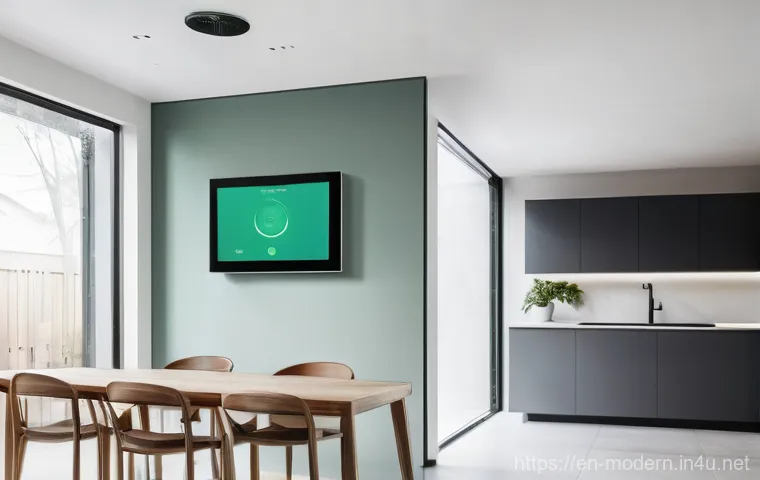
The Usual Suspects: VOCs, Particulates, and CO2
Okay, so we’ve all been there, right? You walk into a room, maybe it’s a new office building or even your own home after a long day, and something just feels… off. That’s often your body’s subtle way of telling you the air isn’t quite as fresh as it should be. Believe me, I’ve had countless conversations with friends and readers who’ve experienced everything from persistent headaches to that dreaded “brain fog,” and more often than not, the culprit is lurking unseen in the very air we breathe. We’re talking about Volatile Organic Compounds (VOCs), those sneaky chemicals emitted from everyday items like paints, cleaning supplies, and even new furniture. Then there are particulates – tiny airborne particles from dust, pet dander, or even cooking, which can irritate our respiratory systems. And let’s not forget carbon dioxide (CO2), a byproduct of our own breathing, which, while harmless in small amounts, can quickly build up in poorly ventilated spaces, leaving us feeling sluggish and unable to concentrate. It’s a real eye-opener once you start paying attention, and honestly, understanding these basic players is the first step toward reclaiming your breathable space. I’ve personally felt the difference in my own focus when CO2 levels creep up, and it’s not a fun feeling at all!
Beyond the Obvious: Hidden Triggers and Allergens
But the story of indoor air quality doesn’t stop with VOCs, particulates, and CO2. Oh no, it gets a bit more intricate, and frankly, a lot more personal for many of us. Think about it: mold spores, pet dander (even if you don’t have pets, they can hitch a ride on clothing!), dust mites, and even pollen making its way indoors can wreak absolute havoc on our well-being. I’ve heard from so many of you who thought you were doing everything right, only to discover a hidden mold issue behind a wall or a buildup of allergens in an old rug. For those of us with allergies or asthma, these hidden triggers aren’t just an annoyance; they can significantly impact our quality of life, leading to constant sniffles, itchy eyes, or even severe respiratory distress. It’s a harsh reminder that even in our meticulously designed modern buildings, there are microscopic invaders constantly at play, silently influencing our health and comfort. And honestly, for someone like me who loves a clean, fresh environment, uncovering these hidden culprits feels like a detective mission!
Smart Sentinels: The Rise of Advanced Sensor Networks
From Passive to Proactive: Real-time Monitoring Benefits
Remember the good old days when you just opened a window if the air felt stale? Well, those days are still good, but modern buildings are getting a seriously high-tech upgrade. We’re talking about advanced sensor networks that are essentially the ‘eyes and ears’ of your indoor environment, giving you real-time data on air quality. I’ve been fascinated watching this technology evolve. Instead of just guessing, these sensors can precisely measure everything from VOCs and particulate matter to humidity and CO2 levels. It’s like having a personal air quality expert constantly on duty. What really gets me excited is how this transforms us from passive breathers to proactive managers of our indoor spaces. If a sensor detects a spike in CO2, it can alert you or, even better, automatically trigger the ventilation system. I’ve personally experimented with a few home IAQ monitors, and seeing the numbers fluctuate based on my activities – like cooking or having guests over – has been incredibly insightful. It’s no longer about a vague feeling; it’s about concrete data that empowers us to make smarter decisions about our immediate environment.
Making Sense of the Data: Personal Insights and Action
Now, getting all that data is one thing, but actually understanding it and using it to make a real difference is where the magic happens. Modern IAQ platforms don’t just throw raw numbers at you; they often present the information in easy-to-understand dashboards, sometimes even with color-coded alerts or personalized recommendations. I’ve found this incredibly helpful. For example, if my sensor tells me humidity is consistently high, I know it’s time to check for potential mold risks or adjust my dehumidifier. Or if VOCs spike after cleaning, it’s a clear sign to choose more eco-friendly products next time. This isn’t just about fancy gadgets; it’s about gaining genuine personal insights into how our daily actions and our homes’ characteristics impact the air we breathe. It truly transforms how we interact with our living and working spaces, moving beyond mere aesthetics to creating environments that genuinely support our health and well-being. For me, it feels like I’m finally “in the know” about something so fundamental to my daily life.
HVAC Reimagined: More Than Just Temperature Control
The Brains Behind the Breath: Smart Ventilation Systems
When most of us think about our HVAC system, our minds usually jump straight to heating or cooling, right? But oh, how times have changed! Modern HVAC systems, especially those designed for optimal indoor air quality, are far more sophisticated. They’re like the unsung heroes of our buildings, constantly working in the background to not just regulate temperature but to actively manage the air we breathe. We’re seeing a massive shift towards “smart” ventilation systems that integrate seamlessly with those IAQ sensors we just talked about. This means they’re no longer just blindly pumping air; they’re intelligently responding to real-time conditions. If a sensor detects rising CO2 levels from a packed meeting room, the system can automatically increase the fresh air intake. If it senses high pollen count outside, it might adjust filtration. I’ve talked to building managers who swear by these integrated systems, not only for occupant comfort but also for maintaining a consistently healthy indoor environment without constant manual adjustments. It’s a testament to how technology is making our buildings work smarter for us, rather than us constantly working around our buildings.
Energy Efficiency vs. Air Exchange: A Constant Tug-of-War
Here’s where things get a bit tricky, and it’s a challenge I’ve personally seen many architects and builders grapple with: balancing energy efficiency with robust air exchange. Modern buildings are designed to be incredibly airtight to prevent energy loss, which is fantastic for our utility bills and the planet. However, this tightness can also mean pollutants get trapped inside and fresh air struggles to get in. It’s a classic double-edged sword! This is why intelligent ventilation strategies are absolutely crucial. We’re seeing innovations like Energy Recovery Ventilators (ERVs) and Heat Recovery Ventilators (HRVs) becoming standard. These systems capture the heat or coolness from the outgoing stale air and transfer it to the incoming fresh air, minimizing energy waste while still providing that much-needed air exchange. It’s a brilliant solution, but implementing it correctly requires careful design and maintenance. I’ve often wondered if we’ll ever truly perfect this balance, but I’m optimistic, seeing the incredible strides being made in this area. It’s a fascinating problem to solve, and one that directly impacts how comfortably and healthily we live our lives indoors.
| Pollutant | Common Sources | Potential Health Effects |
|---|---|---|
| Volatile Organic Compounds (VOCs) | Paints, cleaning supplies, furniture, carpets, air fresheners, building materials | Headaches, nausea, eye/nose/throat irritation, damage to liver/kidney/central nervous system (long-term exposure) |
| Particulate Matter (PM2.5, PM10) | Dust, pollen, pet dander, combustion (cooking, candles, fireplaces), outdoor pollution infiltration | Respiratory issues, asthma flare-ups, cardiovascular problems, reduced lung function |
| Carbon Dioxide (CO2) | Human respiration, combustion (stoves, heaters), poor ventilation | Drowsiness, reduced cognitive function, headaches, fatigue, dizziness |
| Mold and Mildew | Damp areas, leaks, humidity | Allergic reactions, asthma attacks, respiratory infections, skin irritation |
| Formaldehyde | Pressed wood products, glues, permanent press fabrics, insulation | Eye/nose/throat irritation, coughing, wheezing, allergic reactions, increased cancer risk (high levels) |
The Filtration Frontier: Breathing Easier with Cutting-Edge Tech
Beyond HEPA: Electrostatic, UV-C, and Activated Carbon
When it comes to actually scrubbing the air clean, we’ve moved way beyond just simple filters! While HEPA filters are still the gold standard for trapping particulate matter – and honestly, they do an incredible job – the world of air purification has truly exploded with innovation. I’ve been diving deep into this space, and it’s genuinely exciting. For example, electrostatic filters use an electric charge to attract and capture particles, which can be incredibly effective for even the tiniest airborne nasties. Then there’s UV-C light, which isn’t about filtering but about neutralizing; it zaps airborne viruses and bacteria, effectively rendering them harmless. Imagine that! And let’s not forget activated carbon filters, which are absolute heroes for absorbing odors and those pesky VOCs that traditional particulate filters just can’t catch. The blend of these technologies in a single system or even a smart air purifier is what truly makes a difference. I’ve personally noticed a huge improvement in the overall “freshness” of my living space since upgrading to a multi-stage filtration system that incorporates some of these advanced elements. It’s not just about removing dust; it’s about actively disinfecting and deodorizing the air, giving me real peace of mind.
Whole-Home vs. Portable Solutions: Choosing Your Weapon
So, with all these amazing filtration technologies out there, how do you decide what’s right for you? It really boils down to your specific needs and your living situation. I’ve explored both avenues extensively, and there are definite pros and cons to each. Whole-home filtration systems, often integrated directly into your HVAC, offer comprehensive air purification for your entire space, which is fantastic for consistent, all-encompassing air quality. These are usually the ultimate solution for new constructions or major renovations. However, for many of us, portable air purifiers are a game-changer. I’ve recommended them countless times! They’re flexible, allowing you to target specific rooms or areas where you spend the most time or where pollutant levels might be higher, like a bedroom or a kitchen. Plus, they’re generally more affordable and don’t require professional installation. My advice? Start with understanding your indoor air quality, perhaps with a sensor, and then match the filtration solution to your biggest challenges. Whether it’s tackling pet dander in the living room or reducing cooking odors, there’s a perfectly tailored “weapon” out there to help you breathe easier and feel better in your home.
Bringing Nature Indoors: The Power of Biophilic Design

Green Lungs: Plants as Natural Air Purifiers
It’s funny, sometimes the oldest solutions are the most profound, and that’s definitely the case when we talk about bringing nature into our indoor air quality strategy. We’ve been so focused on high-tech gadgets, but let’s not forget the incredible power of plants! I’ve always been a plant lover, but my appreciation deepened immensely when I learned about their natural air-purifying capabilities. Certain houseplants are absolute superstars at absorbing common indoor air pollutants like formaldehyde and benzene, which can off-gas from furniture and carpets. Think about peace lilies, snake plants, or spider plants – they’re not just beautiful; they’re actively working to clean your air. While they won’t replace a sophisticated HVAC system, they certainly contribute to a healthier indoor ecosystem and, let’s be honest, they make a space feel so much more alive and vibrant. I’ve noticed a significant shift in the overall “feel” of my home since I started strategically placing more green friends around, and it’s not just psychological – there’s real science backing their benefits. Plus, the act of caring for them is incredibly grounding!
Light, Layout, and Lungs: Holistic Design for Well-being
Beyond just adding plants, the broader concept of biophilic design takes this integration of nature to another level, profoundly impacting our indoor air quality and overall well-being. It’s about creating spaces that foster a connection to the natural world, and that often translates to better air. This means maximizing natural light – something I’m a huge advocate for – which can help reduce moisture and inhibit mold growth. It also involves thoughtful material selection, opting for natural, low-VOC finishes that don’t off-gas harmful chemicals. I’ve personally visited spaces designed with biophilic principles in mind, and the difference is palpable: the air feels fresher, the atmosphere is calmer, and frankly, people just seem happier and more productive. It’s a holistic approach that considers how the layout, ventilation, and even the visual connection to outdoor elements can enhance not just our psychological state, but also the very quality of the air circulating around us. It’s a powerful reminder that good design isn’t just about aesthetics; it’s about creating truly healthy and invigorating environments.
Navigating the Balance: Eco-Consciousness and Air Quality
The Double-Edged Sword of Modern Construction Materials
Okay, let’s get real for a moment about modern construction. We’re all pushing for more sustainable, energy-efficient buildings, which is fantastic for the planet. But here’s the kicker: some of the materials chosen for these “green” buildings can inadvertently contribute to poor indoor air quality. It’s a bit of a double-edged sword, and it’s something I’ve personally grappled with when looking at building projects. Many composite woods, glues, paints, and even certain types of insulation can off-gas volatile organic compounds (VOCs) and formaldehyde for months, or even years, after installation. This “new building smell” that some people associate with freshness? It’s often a cocktail of these chemicals, and it’s definitely not something we want to be breathing in. It’s a crucial point that sometimes, in our drive for energy efficiency and structural integrity, we might overlook the immediate impact on the air quality inside. This is why it’s so important to be an informed consumer or builder, asking tough questions about material sourcing and chemical composition. I’ve learned that you really have to dig deep to ensure the materials you’re choosing are truly healthy for both the environment and the occupants.
Finding Harmony: Sustainable Choices for Cleaner Air
But don’t despair! The good news is that the industry is rapidly catching up, offering incredible sustainable choices that also prioritize indoor air quality. It’s about finding that sweet spot, that harmony where environmental responsibility and human health perfectly align. I’ve seen a massive surge in manufacturers offering low-VOC or zero-VOC paints, adhesives, and sealants. There are also innovative natural insulation materials like cellulose or recycled denim that perform beautifully without the chemical burden. Even furniture companies are now more transparent about their manufacturing processes and the materials they use, often opting for solid wood over composites that off-gas. For me, it’s about making conscious decisions at every stage – from the foundations to the finishes – to ensure that a building is not just energy-efficient but also a truly healthy haven. It often requires a bit more research and a slightly higher upfront investment, but the long-term benefits for health, comfort, and peace of mind are absolutely priceless. It’s a challenge, yes, but one that more and more people are embracing, and honestly, it makes me feel so hopeful for the future of our indoor spaces.
Practical Steps for Fresher Air: My Go-To Habits
Daily Routines: Simple Switches for Big Improvements
After diving deep into all the tech and design principles, you might be thinking, “Okay, but what can I actually do right now?” And that’s a brilliant question, because honestly, some of the most impactful changes come from simple, consistent daily routines. I’ve incorporated these habits into my own life, and I genuinely feel the difference. First up: ventilation, ventilation, ventilation! Even in winter, I make it a point to open windows for at least 5-10 minutes a day to air out my space. It’s amazing what a quick flush of fresh air can do. Another big one for me is being mindful of cleaning products; I’ve switched to natural, vinegar-based cleaners where possible, drastically reducing the VOCs I introduce. And cooking? Always use that exhaust fan! I used to forget sometimes, but now it’s a non-negotiable, especially when searing or frying, to whisk away combustion byproducts and grease. Even something as simple as regularly vacuuming with a HEPA-filtered vacuum and changing HVAC filters on schedule can make a world of difference. These aren’t huge, complicated tasks, but they build up to a significantly cleaner, fresher indoor environment. Trust me, your lungs will thank you!
When to Call in the Pros: Knowing Your Limits
While there’s a lot we can do on our own, it’s equally important to know when to call in the cavalry – the professionals! Sometimes, indoor air quality issues are simply beyond the scope of a DIY fix, and that’s perfectly okay. I’ve had friends discover persistent mold problems that required professional remediation because the issue was deep within the walls or HVAC ducts. If you’re consistently experiencing health symptoms that seem tied to being indoors, or if your IAQ monitor shows stubbornly high levels of pollutants despite your best efforts, it might be time for a professional assessment. Experts can perform more thorough air quality testing, identify hidden sources of contamination like radon or asbestos (in older homes), and recommend targeted solutions that you might not even be aware of. They can also inspect and clean your HVAC system much more thoroughly than you ever could. It’s an investment, yes, but when it comes to your health and the long-term integrity of your home, it’s often a necessary one. There’s no shame in admitting you need specialized help, and in fact, it’s a smart move to ensure your indoor environment is truly as healthy and safe as possible for you and your loved ones.
Wrapping Things Up
And there you have it, folks! We’ve journeyed through the unseen world of indoor air, from the surprising culprits lurking in our homes to the incredible innovations helping us breathe easier. What I truly hope you take away from all of this is a sense of empowerment. It can feel daunting to think about all the invisible elements in our air, but as we’ve seen, there are so many practical, actionable steps we can take. From opening a window to investing in smart tech, every choice we make contributes to a healthier, more vibrant living space. I’ve personally felt the transformative power of clean air, and it’s a feeling I genuinely want for each and every one of you. Let’s make every breath count!
Good to Know Info
Here are some quick, actionable tips I’ve picked up over the years that can make a real difference in your home’s air quality:
1. Ventilate Daily: Even 10 minutes of opening windows, especially after waking up or cooking, can significantly refresh your indoor air and reduce pollutant buildup. It’s a game-changer, trust me!
2. Use Exhaust Fans Consistently: Always flip on your kitchen exhaust fan when cooking and your bathroom fan during/after showers. These are crucial for removing moisture, odors, and combustion byproducts before they spread throughout your home.
3. Opt for Low-VOC Products: When buying paints, cleaning supplies, furniture, or even new carpets, actively look for “low-VOC” or “zero-VOC” labels. This dramatically cuts down on harmful chemical off-gassing in your living space.
4. Maintain Your HVAC Filters: Regularly check and replace your furnace or AC filters (every 1-3 months depending on usage and household conditions). A clean filter is your first line of defense against airborne particulates and allergens.
5. Embrace Indoor Plants: Incorporate air-purifying plants like snake plants, peace lilies, or spider plants into your decor. While not a complete solution, they naturally help filter out certain toxins and add a wonderful touch of biophilic design.
6. Consider a Smart Air Quality Monitor: Knowing is half the battle! A personal IAQ monitor gives you real-time data on pollutants, empowering you to respond proactively. I can’t stress enough how insightful these devices have been for me.
Key Takeaways
To wrap things up, let’s distill the most crucial insights about cultivating a truly healthy indoor environment. First and foremost, understanding the invisible components of our air – from VOCs to particulates – is the foundation for proactive management. I’ve realized that awareness is the first and most powerful step we can take. Secondly, modern technology, in the form of advanced sensors, smart HVAC systems, and multi-stage air purification, offers incredible tools to monitor, manage, and drastically improve our air quality. These aren’t just gadgets; they’re essential allies in our quest for better health. Thirdly, and perhaps most personally impactful, our daily habits and choices, from how we ventilate to the products we use, play a monumental role. It’s about making conscious decisions that ripple through our entire living space. Finally, embracing holistic approaches, whether through biophilic design or prioritizing truly sustainable and healthy building materials, creates environments that nurture us on every level. Ultimately, investing in better indoor air isn’t just about avoiding illness; it’s about unlocking greater comfort, focus, and overall well-being. It’s a journey worth taking, and one where every small step leads to bigger breaths of fresh air, literally!
Frequently Asked Questions (FAQ) 📖
Q: What are the main indoor air pollutants I should be genuinely worried about in my modern home or office?
A: From what I’ve observed and personally experienced in so many modern spaces, it’s easy to think our shiny new buildings are pristine, but there are definitely a few silent culprits we need to keep an eye on.
The big ones I consistently come across are Volatile Organic Compounds (VOCs). These sneak into our air from everyday items like furniture, paints, cleaning supplies, and even new carpets.
They’re basically tiny chemical particles that off-gas and can really impact how you feel, from headaches to just a general sense of sluggishness. Then there’s particulate matter, like PM2.5 and PM10, which are microscopic bits of dust, pollen, and even pollutants that drift in from outside, or are generated right inside from cooking or just daily living.
These can get deep into your lungs and cause all sorts of respiratory irritation. Of course, we can’t forget about good old Carbon Dioxide (CO2). In tightly sealed, energy-efficient buildings, CO2 levels can climb quite high simply from us breathing, especially in crowded offices or smaller rooms, leading to that “stuffy” feeling and a dip in concentration.
And honestly, biological nasties like mold, mildew, dust mites, and pet dander are always a concern, especially if there’s any moisture or a lack of regular cleaning.
I’ve seen how quickly these can turn a seemingly clean space into an allergen nightmare. It’s truly a mix of things from within and without, all demanding our attention!
Q: How do these new technologies actually help improve air quality in practical, everyday ways?
A: It’s incredible to see how far technology has come in helping us tackle these invisible threats! What I’ve found most impactful are the smart air quality monitors and sensors.
They’re like having a little personal air detective running 24/7, giving you real-time data on pollutants like VOCs, particulate matter, and CO2, often right on your phone.
This means you’re not just guessing; you know when your air needs attention. Paired with this, we have seriously advanced air purification systems. We’re talking about HEPA filters that can snatch up almost all airborne particles, activated carbon filters that zap nasty odors and those tricky VOCs, and even UV-C lights that literally zap bacteria and viruses out of the air.
I’ve personally felt the difference when these are running – that fresh, crisp air isn’t just a fantasy anymore! Then there’s the brilliance of smart HVAC systems.
Imagine your heating and cooling system automatically adjusting its ventilation based on what those sensors are picking up, bringing in more fresh air when needed and filtering it intensely.
It’s not just running on a timer; it’s reacting to the actual conditions in your space, which I think is a game-changer for maintaining consistent comfort and health without you lifting a finger.
Q: Is it really possible to have great air quality without sky-high energy bills in modern buildings?
A: This is a question I hear all the time, and believe me, it’s a balancing act that modern building design and technology are finally getting right! For a long time, the thinking was that you either had fresh air or an energy-efficient, sealed-up building, but not both.
My experience, however, has shown that we absolutely can have both. The secret lies in smart, integrated solutions. Take Demand-Controlled Ventilation (DCV) systems, for example.
These are genius because they adjust how much fresh air your building brings in based on actual occupancy and pollutant levels. So, if a meeting room is empty, it’s not wasting energy ventilating it to the max.
Then there are Energy Recovery Ventilators (ERVs) – these are brilliant! They bring in fresh outdoor air but capture the heat or coolness from the outgoing stale air, pre-conditioning the new air.
This drastically reduces the energy load on your HVAC system, so you’re getting fresh air without throwing money out the window. Beyond that, focusing on high-efficiency filtration with filters like MERV 14 or even HEPA means you’re cleaning the air you already have more effectively, reducing the need to constantly bring in and condition large amounts of outside air.
Plus, it all ties back to those smart sensors and HVAC systems I mentioned earlier. By optimizing when and how your systems run based on real-time needs, they prevent unnecessary energy consumption.
It’s about being smarter, not just cranking things up, and I’ve seen firsthand how these strategies lead to cleaner air and happier energy bills.