Hey there, fellow design enthusiasts and homebodies! Have you ever walked into a truly clever space and just thought, “Wow, how did they do that?” Because I certainly have, especially lately.
It feels like our living and working environments are evolving at warp speed, doesn’t it? With urban areas getting denser and our lives becoming more multifaceted than ever, the traditional idea of a static room for a single purpose is officially a thing of the past.
I’ve noticed a huge shift towards designing spaces that aren’t just pretty to look at, but are incredibly smart, adaptable, and genuinely enhance our day-to-day.
We’re talking about everything from walls that magically move to furniture that transforms, allowing your living room to become a home office, then a cozy yoga studio, all within hours.
It’s truly inspiring to see how architects and designers are tackling the challenge of limited square footage, not just by cramming more in, but by rethinking how we *experience* our surroundings.
They’re weaving in cutting-edge tech, embracing sustainable solutions, and even bringing the serenity of nature indoors with biophilic design, all to create environments that are both efficient and incredibly enriching.
If you’re anything like me, you’re probably eager to uncover the secrets behind these truly innovative designs that make every inch count and future-proof our homes.
Trust me, it’s not just about aesthetics anymore; it’s about crafting a lifestyle. Let’s dive in and explore exactly how modern architecture is optimizing space utilization!
Rethinking the Footprint: The Art of Multifunctional Design
Making Every Square Inch Count
As someone who’s lived in various city apartments, I can tell you firsthand that the struggle for space is real. It’s not just about fitting all your stuff in; it’s about making a compact area feel expansive, functional, and genuinely inviting.
Modern architecture has truly embraced this challenge by championing multifunctional design, turning what used to be a static space into a dynamic, adaptable environment.
I’ve seen some incredible examples where a single room effortlessly transitions from a lively dining area to a productive home office, and then into a cozy relaxation zone.
It’s all about intelligent planning and innovative solutions that allow rooms to wear many hats throughout the day. This approach isn’t just a clever trick; it’s a fundamental shift in how we think about our homes, moving away from rigid definitions towards fluid, responsive living.
Designers are now thinking about the “life cycle” of a room within a day, ensuring that every element contributes to its overall usability and aesthetic appeal, making our smaller spaces work harder and smarter for us.
It’s truly transformative to witness how a carefully chosen layout and a few ingenious pieces can completely change how you experience your home, opening up possibilities you never thought existed.
The Magic of Transformable Furniture
Oh, transformable furniture! Where do I even begin? This is where modern space optimization really shines, and honestly, it feels like living in a sci-fi movie sometimes.
I remember visiting a friend’s studio apartment in New York City, and I was absolutely floored by how their entire living area folded away to reveal a sleek, queen-sized bed.
Then, in the morning, it seamlessly transformed back into a stylish sofa and shelves. It wasn’t just practical; it was a performance! We’re talking about everything from wall beds that disappear into elegant cabinetry to coffee tables that elevate and expand into dining tables for six.
Even seemingly simple items like ottomans that open up for storage, or benches that pull out into extra seating, contribute to this magic. The beauty of these pieces isn’t just their utility, but how they blend into the design, often becoming statement pieces in their own right.
They’re designed not only to save space but also to enhance the aesthetic, showcasing clean lines and clever mechanisms. Investing in well-designed transformable furniture has been a game-changer for many of my friends, turning cramped quarters into flexible havens where they can truly live, work, and entertain without feeling overwhelmed by clutter or lack of room.
It allows for a sense of freedom and adaptability that traditional furniture simply can’t offer, creating a home that truly evolves with your needs throughout the day.
Smart Tech for Seamless Living: Integrating Innovation
Automating Adaptability
In today’s fast-paced world, convenience is king, and smart home technology is increasingly playing a pivotal role in optimizing our living spaces. It’s not just about voice-activated assistants anymore; it’s about an integrated system that makes your home intuitively adapt to your needs.
Imagine walking into your apartment, and with a single command or even a preset schedule, the lighting adjusts to your mood, the blinds open to let in natural light, and the temperature sets itself to your preferred comfort level.
I’ve personally experimented with smart lighting systems that can completely alter the ambiance of a room, transforming a bright workspace into a cozy reading nook in seconds.
Beyond the immediate comfort, smart tech can also manage energy consumption, closing vents in unused rooms or dimming lights automatically, which is fantastic for both your wallet and the planet.
These systems aren’t just gadgets; they’re becoming the silent managers of our living environments, enhancing functionality and maximizing space efficiency without us even having to think about it.
The automation frees up mental space and physical space, reducing the need for multiple manual controls and switches, streamlining your home into a truly intelligent ecosystem.
It’s about making your environment work *for* you, almost anticipating your needs, which in my book, is the ultimate luxury.
Beyond the Gadgets: Connectivity in Design
While individual smart gadgets are cool, the real revolution in space optimization comes when connectivity is baked into the very design of a home. We’re moving beyond stand-alone devices to fully integrated systems that blur the lines between architecture and technology.
Think about built-in charging stations that eliminate cable clutter, or walls embedded with touch-sensitive controls that manage everything from entertainment to environmental settings.
I recently saw a fascinating concept where modular wall panels could be rearranged with a tap on a tablet, instantly reconfiguring a living space to create a guest room or a larger entertaining area.
It’s about designing a home where technology isn’t an add-on, but an integral component that enables fluidity and responsiveness. This deep integration means less visual clutter from wires and devices, allowing the architectural elements themselves to take center stage while providing unparalleled functionality.
The goal is to create environments that are not just smart, but truly intuitive, learning from our habits and preferences to optimize comfort and efficiency.
This seamless blend of design and tech creates a living experience that feels futuristic yet utterly natural, ensuring that our spaces are not just visually appealing but also incredibly powerful in how they serve our daily lives.
Bringing the Outside In: Biophilic Design Principles
Nature’s Embrace: Green Walls and Indoor Gardens
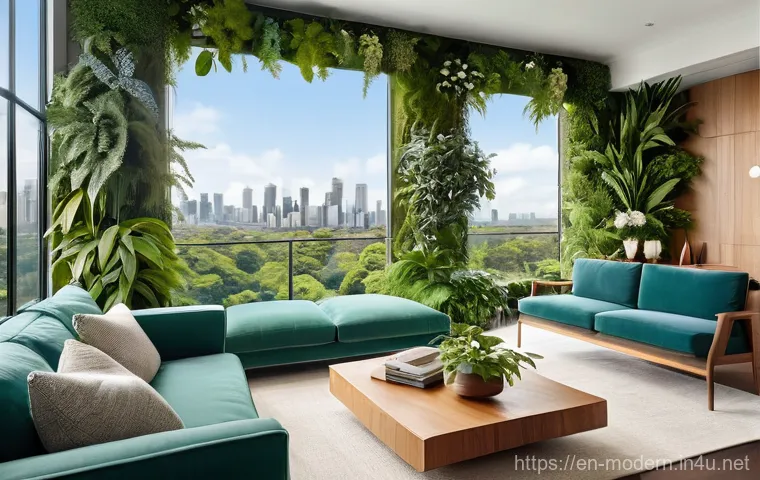
One of my absolute favorite trends in modern architecture is biophilic design – essentially, bringing the natural world into our built environments. It’s not just about having a potted plant (though those are great too!); it’s about integrating natural elements in a way that truly enriches the space and our well-being.
I recently visited a hotel lobby that had an entire living wall, a vertical garden stretching from floor to ceiling, and the immediate feeling of calm and freshness was palpable.
Green walls, or “vertical gardens,” are fantastic for urban dwellings where horizontal space is scarce. They not only add a stunning visual element but also improve air quality, reduce ambient noise, and can even help regulate indoor temperatures.
Beyond walls, architects are incorporating indoor gardens, water features, and large windows that frame natural views, making nature an undeniable part of the interior landscape.
It’s about creating an oasis, a sanctuary, especially crucial when we spend so much of our lives indoors. This thoughtful integration of nature really changes the vibe of a space, making it feel more alive, vibrant, and connected to the world outside, even if you’re in the heart of a bustling city.
I find that these elements instantly make a room feel less clinical and more like a breath of fresh air, enhancing not just the aesthetic but also our overall mood and productivity.
The Wellness Connection: Light, Air, and Serenity
Biophilic design goes deeper than just plants; it fundamentally influences our sense of wellness by optimizing natural light, air quality, and acoustic comfort.
As someone who’s struggled with seasonal affective disorder, I can’t emphasize enough the importance of ample natural light. Modern architecture maximizes this by using larger windows, strategically placed skylights, and open-plan layouts that allow light to penetrate deeper into the home.
It’s not just about brightness; it’s about the quality of light and its ability to connect us with the natural cycles of day and night. Beyond light, sophisticated ventilation systems and natural materials like wood and stone contribute to healthier indoor air quality, reducing toxins and creating a fresher, more invigorating atmosphere.
And let’s not forget sound; integrating elements like indoor water features or strategically placed natural materials can help absorb noise, creating a calmer, more serene environment.
I’ve experienced spaces where the clever use of materials and design choices transformed a potentially noisy urban apartment into a tranquil retreat. This holistic approach to design understands that our physical and mental health are intrinsically linked to our surroundings.
By prioritizing natural light, clean air, and acoustic comfort, biophilic design doesn’t just make spaces beautiful; it makes them genuinely nurturing and conducive to a higher quality of life, allowing us to thrive even in dense urban settings.
Flexibility is Key: Modular Marvels and Adaptable Interiors
Walls That Move and Rooms That Transform
Imagine a wall that simply glides away, instantly doubling your living space or creating a private guest room out of thin air. This isn’t just a fantasy; it’s a rapidly growing reality in modern architectural design, especially in areas where square footage comes at a premium.
I’ve seen some incredible examples of homes and offices employing movable partitions, sliding panels, and even rotating walls that completely redefine the boundaries of a room.
This level of adaptability is truly revolutionary because it means your space can literally transform to suit different activities and needs throughout the day.
One minute you might have an open-plan living and dining area perfect for entertaining, and the next, with a simple push, you’ve got two distinct, private zones for work and relaxation.
It’s all about empowering the occupant to be the architect of their own environment, on demand. This kind of flexibility not only maximizes the utility of every square foot but also injects a sense of excitement and innovation into daily living.
It challenges the traditional, static notion of a room and instead promotes a dynamic, responsive environment that can literally change with your mood or schedule, offering an unparalleled level of personal control over your surroundings.
Customization at Its Core: Tailoring Your Environment
Beyond movable walls, the concept of adaptable interiors extends to highly customizable elements that empower homeowners to truly tailor their environment.
We’re seeing a significant shift towards modular systems for shelving, storage, and even entire kitchen units that can be rearranged or modified with relative ease.
This means you’re not stuck with a fixed layout; instead, your home can evolve as your lifestyle changes. I’ve personally helped friends design modular shelving units that can be expanded, reconfigured, or even moved to different rooms as their needs dictate.
This level of customization allows for an incredibly efficient use of space because every element can be perfectly fitted to its purpose, reducing wasted corners or awkward gaps.
Furthermore, it fosters a deeper connection to one’s home when you have the agency to shape and reshape it according to your preferences. Whether it’s a home office that can be packed away into a discrete cabinet or a living room that can expand to host a large gathering, the power of customization ensures that every inch is working optimally for you.
It’s about creating a living space that feels truly yours, not just in terms of decor, but in its very bones and structure, responding to your evolving lifestyle and tastes.
| Space Optimization Strategy | Description | Benefits |
|---|---|---|
| Multifunctional Furniture | Furniture pieces designed to serve multiple purposes (e.g., sofa converts to bed, coffee table extends to dining table). | Maximizes utility in compact spaces, reduces clutter, offers flexibility for different activities. |
| Movable Partitions/Walls | Architectural elements that can be reconfigured or moved to change room layouts. | Creates adaptable open or private zones, allows for dynamic space transformation, enhances versatility. |
| Vertical Storage | Utilizing wall space for shelving, cabinetry, and other storage solutions. | Frees up floor space, provides ample storage in small areas, adds visual interest. |
| Smart Home Integration | Technology that automates and connects various home functions (lighting, temperature, security). | Enhances convenience, improves energy efficiency, streamlines daily routines, reduces physical clutter. |
| Biophilic Design Elements | Incorporating natural elements like green walls, natural light, and organic materials into interior design. | Improves air quality, boosts well-being, reduces stress, creates a calming and aesthetically pleasing environment. |
Sustainable Spaces: Eco-Conscious Design for the Future
Building Green, Living Smart
The conversation about optimizing space in modern architecture wouldn’t be complete without a deep dive into sustainability. It’s no longer just a buzzword; it’s a fundamental pillar of forward-thinking design.
Architects and designers are increasingly focusing on building green, which means not only using eco-friendly materials but also designing homes that minimize environmental impact throughout their lifecycle.
I’ve been fascinated by projects that integrate solar panels seamlessly into roof designs, or rainwater harvesting systems that supply water for irrigation and even non-potable indoor uses.
It’s about creating homes that are resource-efficient, from the ground up. This extends to things like passive heating and cooling strategies, where the building’s orientation, window placement, and insulation are meticulously planned to reduce the need for artificial climate control.
My own experience with upgrading to energy-efficient appliances and improving insulation showed me how much of a difference these choices can make, not just for the environment, but also for monthly utility bills.
It’s about a holistic approach where every design decision is weighed against its environmental footprint, ensuring that our optimized spaces are also optimized for the planet, contributing to a healthier future for everyone.
Recycling Spaces: Repurposing and Renovation
Beyond new construction, a significant part of sustainable space optimization involves creatively repurposing existing structures and embracing intelligent renovations.
There’s a beautiful irony in taking an old, perhaps neglected, building and breathing new life into it, turning it into something entirely fresh and functional.
I’ve seen incredible transformations of old industrial buildings into vibrant residential lofts, or forgotten commercial spaces reimagined as dynamic co-working hubs.
This ‘recycling of spaces’ isn’t just environmentally conscious; it often results in unique, character-filled properties that retain a sense of history while embracing modern living.
Renovation plays a huge role here too, focusing on maximizing existing layouts rather than always building anew. This could involve knocking down non-load-bearing walls to create open-plan living, or cleverly converting an attic or basement into usable living areas.
It’s about unlocking the hidden potential within existing structures, using innovative design to create more efficient and aesthetically pleasing spaces without the environmental cost of entirely new builds.
This approach not only conserves resources but also often results in homes with an incomparable charm and story, offering a sustainable path to optimized living that truly respects the past while building for the future.
Vertical Living and Hidden Gems: Maximizing Every Nook
Up, Up, and Away: Vertical Storage Solutions
When you’re dealing with limited floor space, the only way to go is up! Vertical living isn’t just about skyscrapers; it’s about cleverly utilizing every inch of vertical real estate within our homes, from floor to ceiling.
I’ve become a huge fan of built-in shelving units that stretch all the way up, not only providing incredible storage but also creating a sense of height and grandeur in even the smallest rooms.
Think about those stunning libraries where books line the walls from top to bottom – that same principle applies to modern homes. We’re seeing more integrated wall units that combine storage, entertainment centers, and even fold-down desks.
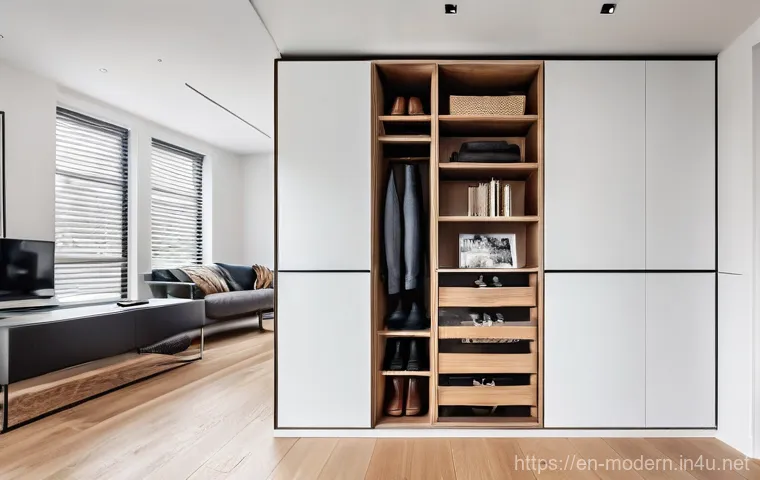
Kitchens are incorporating pull-out pantries and suspended racks, while bedrooms feature platform beds with integrated drawers underneath or custom wardrobes that extend to the ceiling.
It’s about looking at walls not just as barriers, but as opportunities for functional design. By moving items off the floor and onto the walls, you dramatically open up the perception of space, making rooms feel larger and less cluttered.
This strategy is a true game-changer for urban dwellers, allowing us to store more and live more comfortably without feeling like our belongings are encroaching on our personal space.
It truly is amazing how much unused potential exists when you start looking upwards.
Unlocking Unused Potential: Creative Concealment
Beyond visible vertical storage, modern architecture excels at uncovering and utilizing “hidden gems” – those often-overlooked nooks and crannies that can be transformed into incredibly functional spaces through creative concealment.
I’m talking about things like under-stair storage that pulls out like a drawer, creating a mini-mudroom or a wine cellar. Or built-in wall cabinets that blend seamlessly into the architecture, only revealing themselves when needed.
I once saw a tiny apartment where a whole laundry unit was tucked away behind a beautifully designed sliding panel in the bathroom, completely disappearing when not in use.
It’s not just about hiding clutter; it’s about creating dedicated, functional zones that can be concealed to maintain a sleek, minimalist aesthetic when not in use.
Think about built-in benches with storage inside, or beds that lift to reveal massive compartments beneath. These design choices are brilliant because they provide essential storage and functionality without visually overwhelming the space.
They make a home feel incredibly tidy and spacious, giving you the freedom to reveal or conceal elements based on your immediate needs. This thoughtful approach to concealment is a hallmark of truly optimized design, transforming what could be dead space into vibrant, useful areas that enhance both the aesthetics and practicality of a home.
Beyond the Walls: Community and Shared Spaces
The Rise of Co-Living and Collaborative Hubs
While we often focus on optimizing individual living units, modern architecture is also reimagining how we interact with space beyond our own four walls, especially in urban environments.
The rise of co-living developments and collaborative hubs is a fascinating response to the challenge of dense living, and I’ve seen firsthand how impactful they can be.
These aren’t just dorms for adults; they’re thoughtfully designed communities that offer private bedrooms and bathrooms, but emphasize extensive, high-quality shared spaces like gourmet kitchens, vibrant lounges, fitness centers, and co-working areas.
The idea is that you get the privacy you need, but also access to a wider array of amenities and a strong sense of community that would be impossible to replicate in a standalone apartment.
For someone like me who values both personal space and social connection, this model is incredibly appealing. It’s about optimizing space at a macro level, providing residents with an expanded “home” experience without each individual having to pay for and maintain every single amenity.
It fosters connection and reduces the feeling of isolation that can sometimes come with urban living, creating a truly enriched lifestyle that extends beyond the confines of a small apartment.
Designing for Interaction: Bridging Private and Public
The beauty of these shared spaces lies in their intentional design for interaction, thoughtfully bridging the gap between private and public life. Architects are creating environments that naturally encourage residents to connect, collaborate, and build relationships.
This means carefully planned layouts that draw people together, comfortable seating arrangements in common areas, and designated zones for different activities – from quiet reading nooks to lively game rooms.
I’ve noticed that the most successful shared spaces are those that feel less like sterile common areas and more like extensions of a personal living room, just on a grander scale.
They often incorporate biophilic elements, warm lighting, and comfortable furniture to create an inviting atmosphere. The design actively supports a vibrant community life, offering flexible spaces that can host everything from a communal dinner party to a yoga class.
It’s about creating opportunities for spontaneous interactions and planned gatherings, allowing residents to choose their level of engagement. This approach to design effectively expands the perceived living space for each individual, offering a diverse range of environments and experiences that simply wouldn’t be possible within the confines of a single apartment.
It’s a truly innovative way to enhance urban living, offering both efficiency and a rich social fabric.
Wrapping Things Up
Phew! What a journey we’ve been on, exploring the incredible world of modern space optimization. From the sheer brilliance of transformable furniture that practically does a magic show in your living room, to the seamless integration of smart tech that makes your home feel like it’s anticipating your every need, it’s clear that design today is all about making our lives easier, more efficient, and undeniably more beautiful. I honestly feel like we’re living in a golden age of architectural innovation, where every square inch is considered a canvas for creativity. It’s not just about fitting things in; it’s about crafting environments that genuinely enhance our well-being and adapt to our ever-changing lifestyles. I hope this deep dive has sparked some ideas for you, perhaps even a little urge to rethink your own footprint and see the amazing potential that lies within your walls, waiting to be unleashed. The future of living is flexible, smart, and delightfully human-centered, and honestly, I’m here for every single bit of it.
Good-to-Know Information
1. When considering multifunctional furniture, always prioritize quality over quantity. A well-built wall bed or an extending dining table, while an investment, will stand the test of time and countless transformations. I’ve learned from personal experience that flimsy pieces can quickly become frustrating, breaking down just when you need them most, so think of it as buying flexibility and durability. Check reviews, look for robust mechanisms, and don’t be afraid to test them out in person if possible – your daily convenience truly depends on it.
2. For smart home integration, start small and build up. You don’t need to automate your entire house overnight. Begin with smart lighting or a smart thermostat, which offer immediate benefits in comfort and energy savings. As you get comfortable, you can gradually expand your system. I found that connecting devices that work well together, often from the same ecosystem like Google Home or Apple HomeKit, makes the entire experience much smoother and more intuitive, preventing that dreaded “smart home headache” of incompatible gadgets.
3. Embracing biophilic design doesn’t require a full-scale renovation. Even small additions can make a huge difference. Think about adding a few thriving houseplants, maximizing natural light with lighter window treatments, or incorporating natural textures like wood and stone in your decor. I personally noticed a significant mood boost when I added a large, leafy plant to my workspace; it just brings a calming, vital energy that you can’t get from artificial elements, truly reconnecting you with nature.
4. Before investing in movable partitions or modular systems, carefully map out your typical daily and weekly routines. Understanding how you use your space at different times will help you determine the most effective and practical solutions. Are you hosting often? Do you work from home? Your answers will guide your choices. I once saw someone install a beautiful sliding wall only to realize it blocked their main thoroughfare during peak hours, so planning is absolutely paramount to avoiding such pitfalls.
5. Always consider the long-term sustainability of your design choices. Opt for durable, eco-friendly materials and energy-efficient appliances where possible. Even if the upfront cost is slightly higher, the environmental benefits and potential savings on utility bills in the long run make it a smart investment. I’ve found that choosing quality, sustainable items not only reduces my carbon footprint but also creates a more pleasant and healthy living environment for me and my family, which is a win-win in my book.
Key Takeaways
Ultimately, the core message behind modern space optimization is about creating environments that truly serve us, rather than the other way around. It’s about flexibility, intelligence, and a deep connection to both our natural world and our communities. By embracing multifunctional design, smart technology, biophilic principles, and adaptable interiors, we’re not just making our homes bigger; we’re making them smarter, healthier, and infinitely more responsive to our lives. Remember, your home is your sanctuary, and with a little ingenuity and thoughtful design, every corner can be optimized to enhance your daily experience, making your space work harder and smarter for a future-proof lifestyle. It’s an exciting time to be designing and living, wouldn’t you agree?
Frequently Asked Questions (FAQ) 📖
Q: I’m living in a pretty compact apartment these days, and honestly, I’m constantly battling clutter and trying to make every inch count. What are some of the most impactful design strategies you’ve personally seen or tried that genuinely make a small living space feel significantly larger and more functional without a major renovation?
A: Oh, I totally get it! I’ve been there, staring at a cozy corner and wondering how on earth to fit my life into it. The good news is, you don’t always need to knock down walls to feel like you’ve got more room.
From my experience, it’s all about tricking the eye and being incredibly smart with your choices. One of my absolute favorite tricks is playing with vertical space.
Think about it: our eyes naturally scan horizontally, but when you draw them upwards, a room instantly feels taller and more expansive. I’m talking about tall, narrow bookshelves that practically kiss the ceiling, or even some strategically placed floating shelves that go all the way up.
It’s not just about storage; it’s about creating a visual journey. Another huge game-changer for me has been multi-functional furniture. This isn’t just about a sofa bed, though those are great!
I’m talking about ottomans with hidden storage, coffee tables that lift and expand into dining tables, or even benches that double as toy chests. It’s like getting two or three pieces of furniture for the footprint of one, which is just brilliant.
And honestly, don’t underestimate the power of mirrors. A large mirror placed opposite a window can literally double your perceived space and bounce light around beautifully, making everything feel brighter and airier.
I once tried a full-length mirror leaning against a wall in a narrow hallway, and it transformed it from a cramped pass-through into what felt like an extended part of the living area.
Lastly, keep your color palette light and consistent. Darker colors tend to absorb light and make spaces feel smaller, while light neutrals reflect it, creating an open, serene atmosphere.
It’s not just about white; soft grays, pale blues, and creamy off-whites work wonders. These aren’t just design theories; these are the things I’ve personally used that have made my smaller spaces feel not just livable, but truly comfortable and inviting.
Q: With all the buzz around smart homes, I’m curious how cutting-edge technology is actually being woven into modern architecture to truly enhance space utilization and make our daily lives smoother. Is it just about cool gadgets, or is there something deeper going on?
A: That’s a fantastic question because it really gets to the heart of how our homes are evolving! When I first started looking into smart home tech, I admit, I thought it was mostly about convenience – turning on lights with my voice, or adjusting the thermostat from my phone.
And while those things are great, I’ve seen firsthand how architects and designers are now integrating technology much more deeply, making it a fundamental part of optimizing space.
It’s not just gadgets anymore; it’s about intelligent systems that adapt to us. Take, for instance, dynamic partitioning. Imagine walls that can slide, retract, or even become transparent with a flick of a switch or a voice command.
This is happening! Your living room could expand into a larger entertaining space for guests, then transform back into a private home office in moments, all thanks to integrated motorized systems.
I saw an incredible example where a bedroom wall silently slid open to reveal a full-sized bed that folded out from the wall, only to disappear completely when not in use.
It was like magic, giving the occupant an entire extra room during the day. Then there’s the brilliance of integrated lighting and climate control that goes beyond just dimming.
Smart systems can automatically adjust lighting based on natural light levels, making a smaller room feel brighter and more open, or even mimic natural daylight cycles to improve well-being.
And think about how much space traditional wiring and bulky equipment used to take up. Now, with wireless solutions, embedded speakers, and screens that blend seamlessly into walls or furniture, you’re eliminating clutter and freeing up valuable surface area.
For me, the real genius is how this tech allows a single space to serve multiple functions fluidly, making small spaces incredibly versatile and adaptable to the ever-changing rhythms of our lives.
It’s about more than convenience; it’s about designing fluidity and maximizing every square foot.
Q: I’m really intrigued by the idea of adaptable and flexible home designs, but a part of me wonders if it’s just a trend. Beyond looking good, what are the actual long-term benefits and potential returns on investment for homeowners who choose to adapt their homes with these innovative, flexible designs?
A: I totally understand that hesitation; it’s a significant investment, after all, and you want to know it’s going to pay off, right? What I’ve consistently found, both through my own research and seeing it play out in real-world scenarios, is that these innovative, flexible designs are far more than just a fleeting trend.
They’re a smart, future-proof approach to living that offers some serious long-term benefits and can absolutely boost your return on investment. First off, think about longevity and adaptability.
Our lives aren’t static. We might start with a home office, then need a nursery, then a space for a hobby, or perhaps even an aging parent moves in. Traditional homes often require costly renovations to accommodate these shifts.
But a home designed for flexibility – with modular furniture, movable walls, or built-in convertible elements – can gracefully evolve with your needs without the constant upheaval or expense.
That adaptability alone adds immense value over time. Secondly, there’s the undeniable appeal to future buyers. As urban living continues to densify and people seek more efficient, versatile spaces, a home that intelligently optimizes every square foot and can transform to suit different lifestyles becomes incredibly attractive.
It’s a key selling point that sets your property apart in a competitive market. I’ve seen properties with clever, integrated flexible solutions command higher prices because they offer perceived extra space and functionality without expanding the physical footprint.
And let’s not forget the sustainability aspect. Often, these designs incorporate sustainable materials and energy-efficient systems, which can lead to lower utility bills over the years – a tangible saving that adds up.
Plus, by maximizing existing space, you’re reducing the need for new construction, which is a big win for the environment. For me, it’s not just about a pretty room; it’s about creating a resilient, intelligent living environment that can grow with you, save you money in the long run, and offer a truly unique, valuable proposition if you ever decide to sell.
It’s an investment in a more efficient, adaptable, and ultimately more enjoyable lifestyle.