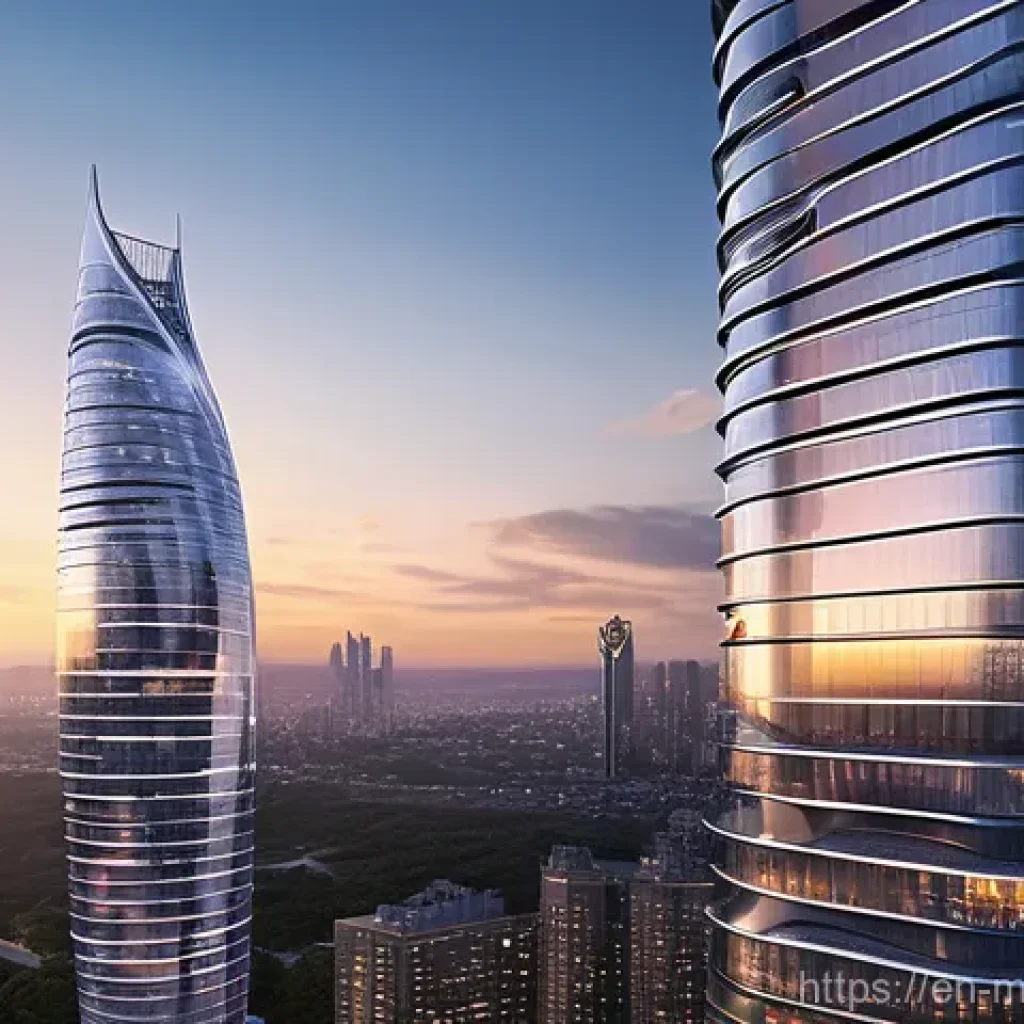
Have you ever gazed at a cutting-edge skyscraper or a beautifully efficient modern home and wondered about the sheer brilliance behind its creation? It truly fascinates me to see how much the design process has evolved, especially with an incredible new player on the scene: Artificial Intelligence.
I’ve personally witnessed how AI is no longer just a futuristic concept but a powerful co-pilot, revolutionizing everything from the initial conceptual sketches to optimizing every minute detail in ways we couldn’t have imagined a decade ago.
It’s absolutely mind-blowing how these intelligent systems are crafting spaces that are not only visually stunning but also incredibly sustainable and perfectly tailored to our needs, ushering in an era where buildings literally think for themselves.
The future of architecture isn’t just being built; it’s being intelligently designed by a partnership between human creativity and AI’s boundless analytical power, promising structures that adapt, learn, and inspire.
Join me as we uncover the fascinating journey of AI in modern architectural design and discover what these intelligent buildings mean for our world.
Hey there, design enthusiasts and future-forward thinkers! The future of architecture isn’t just being built; it’s being intelligently designed by a partnership between human creativity and AI’s boundless analytical power, promising structures that adapt, learn, and inspire.
Unleashing Creativity with AI-Powered Design Tools
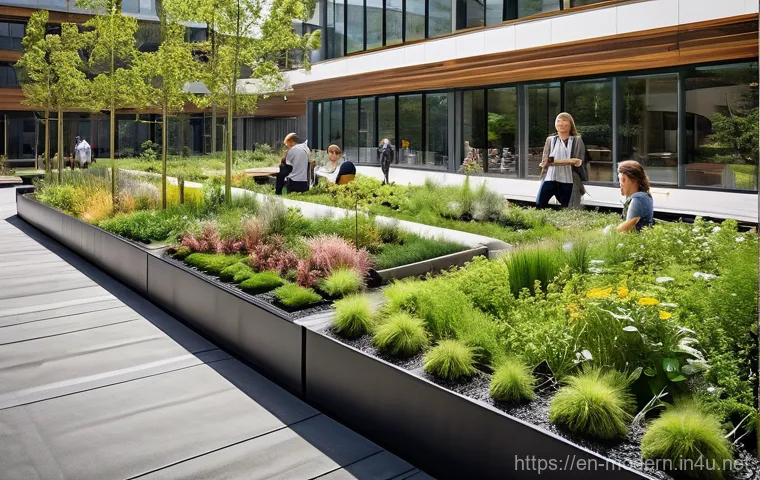
Honestly, when I first heard about AI in design, I was a bit skeptical. Would it stifle creativity? Would every building start to look the same? Boy, was I wrong! What I’ve seen firsthand is how AI-driven tools are actually broadening the horizons for architects, pushing us to explore design possibilities we might never have even considered. Think about generative design: you feed the AI specific parameters like site conditions, budget, desired materials, and even energy efficiency goals, and it churns out thousands of unique design variations in mere minutes. It’s like having an army of conceptual artists working around the clock, exploring shapes, structures, and layouts that are truly out-of-the-box. This isn’t about replacing human imagination; it’s about supercharging it. I’ve personally experimented with some of these platforms, and the sheer volume of innovative options they provide frees up so much mental bandwidth. Instead of getting bogged down in repetitive tasks or trying to manually iterate through a handful of ideas, I can focus on the artistic elements, on refining the emotional impact of a space, and on truly innovative problem-solving. It’s thrilling to see how architects are leveraging these tools to create unique forms and unconventional layouts, driving us towards higher-performing buildings that still feel distinctly human.
From Concept to Blueprint: Faster Than Ever
One of the most immediate and tangible benefits I’ve personally experienced is the incredible acceleration of the design process. Those initial conceptual sketches, the iterative modeling, the endless revisions – they used to eat up so much time. Now, AI takes on those heavy lifting tasks. Tools like AI text-to-image generators are rapidly evolving, allowing designers to visualize concepts from text descriptions, making the ideation process incredibly efficient and cost-effective. I’ve seen projects where what used to take weeks of drafting and modeling can now be done in hours or even minutes. This isn’t just about speed; it’s about efficiency that translates directly into project timelines and, let’s be real, profits. By automating tasks like building modeling and simulation, architects can select designs that are not only aesthetically pleasing but also sustainable and structurally sound right from the get-go. This means we can present clients with detailed, high-resolution visualizations much earlier, allowing for quicker feedback and more informed decision-making before any ground is even broken. It’s a game-changer for workflows, really.
Enhanced Design Exploration
Beyond just speed, AI significantly enhances the depth of design exploration. Imagine being able to test 20 different types of window opening sizes or facade materials with just a few keywords and see the results instantly. That’s the reality now. AI-powered generative design tools allow architects to rapidly generate and evaluate numerous design alternatives. This means we can explore thousands of design permutations based on specific parameters like daylight access, structural performance, or even budget constraints. I’ve seen how this process can lead to incredibly innovative solutions that might have been completely overlooked with traditional methods. It empowers architects to push the boundaries of their creativity, leading to designs that are not only visually striking but also highly optimized for performance and efficiency. This collaborative dance between human intuition and AI’s analytical power is truly redefining what’s possible in architectural design.
Optimizing Sustainability and Efficiency with Intelligent Systems
If there’s one area where AI truly shines for me, it’s in making buildings greener and more efficient. The sheer volume of data AI can process related to environmental factors, material impacts, and energy consumption is just phenomenal. I’ve witnessed how AI is helping us move from simply “sustainable” buildings to truly “smart” and “adaptive” structures that actually learn and respond to their environment and occupants. It’s no longer just about meeting codes; it’s about pushing the boundaries of what’s possible in terms of eco-friendliness and long-term operational savings. From real-time energy management to optimizing resource usage during construction, AI is becoming an indispensable ally in the fight for a more sustainable built environment. We’re talking about tangible impacts, like potentially reducing building energy consumption by 30% or more. That’s not just good for the planet; it’s fantastic for the bottom line, which is something clients are increasingly looking for.
Energy Efficiency and Material Selection
AI algorithms can analyze massive datasets encompassing wind patterns, solar radiation, building orientation, and even local climate conditions to optimize energy performance from the earliest design stages. I’ve seen architects use AI to fine-tune designs, ensuring optimal natural light and ventilation, and integrating renewable energy solutions like solar panels more effectively. Beyond energy, AI is transforming how we select materials. By examining the environmental impact of various construction materials, including their embodied energy and carbon footprint, AI tools can recommend more sustainable alternatives. This predictive analysis helps reduce material waste by providing accurate quantities for procurement and even identifies more efficient construction methods. It’s a holistic approach that ensures every component of a building contributes to a lower environmental footprint and a more efficient lifecycle. For instance, at Microsoft’s Redmond campus expansion, AI identified ways to reuse excavated soil on site, leading to a 15% reduction in material waste and a shortened construction timeline.
Adapting to Environmental Changes
The beauty of AI in sustainable design is its ability to create buildings that aren’t static but dynamic. AI-powered smart building systems can continuously monitor energy usage and environmental conditions through connected sensors, making real-time adjustments to heating, lighting, and cooling systems based on occupancy and learned patterns. Imagine a building that knows when to dim the lights based on natural daylight or adjust the thermostat based on how many people are in a room and their preferences. This adaptive architecture leads to significant energy savings without compromising occupant comfort. It’s about creating intelligent environments that not only look good but *feel* good and perform optimally, constantly learning and improving over time to respond dynamically to evolving needs. This capability is crucial for creating resilient structures that can adapt to changing climate conditions and reduce their long-term environmental impact.
Designing for People: AI-Driven User Experience
One of the most exciting shifts I’ve observed is how AI is really bringing the focus back to the people who will actually *live* and *work* in these spaces. It’s not just about creating visually impressive structures anymore; it’s about crafting environments that genuinely enhance well-being, productivity, and comfort. Before AI, achieving truly personalized spaces on a large scale felt like an impossible dream, a luxury only for bespoke projects. But now, with AI’s ability to process and understand human behavior, preferences, and even emotional responses, we’re entering an era where buildings can be incredibly flexible and responsive to individual needs. It’s a huge step towards more human-centric design, and honestly, it’s what makes me most optimistic about the future of architecture. I truly believe AI allows us to re-humanize the design process, making sure we’re seeing architecture from the user’s perspective.
Personalized Spaces for Individual Needs
AI’s capacity to collect and process vast amounts of data about how people interact with spaces is nothing short of revolutionary. This isn’t just about simple occupancy sensors; it extends to understanding individual preferences for lighting, temperature, and even spatial layouts. For example, AI can analyze social media feedback to gauge what people appreciate about certain spaces, then use those insights to inform future designs. I’ve seen this lead to designs that can dynamically adjust lighting or room configurations to evoke specific moods – making a space feel calm, joyful, or more conducive to focus, depending on the need. This level of personalization extends to adaptive designs for individuals with diverse needs, ensuring buildings are inclusive and accessible in real-time. It’s about moving beyond a one-size-fits-all approach and creating environments that truly cater to the unique characteristics of their occupants, improving health, productivity, and overall satisfaction.
Dynamic Environments That Learn
Imagine a building that not only adjusts to your presence but also learns your habits and preferences over time, adapting proactively. That’s the promise of AI in smart buildings. Through integrated IoT sensors and AI algorithms, buildings can continuously monitor and collect data, enabling them to adapt to occupant behaviors and preferences more effectively. This means smarter lighting systems that adjust based on occupancy, advanced HVAC systems that optimize temperature settings for comfort and energy savings, and even security systems that learn human behavior to enhance safety. These intelligent systems can predict when maintenance is needed, ensuring minimal disruption and extending the lifespan of critical infrastructure. The continuous learning loop fostered by AI means buildings can constantly improve their performance and responsiveness, creating truly dynamic and user-focused environments that evolve with us. It’s like living in a building that genuinely understands you, and that’s a pretty amazing feeling.
Revolutionizing Construction and Project Management
Beyond the drawing board, AI is having a profound impact on the actual construction phase and how projects are managed from start to finish. If you’ve ever been involved in a large-scale building project, you know the incredible complexity: coordinating countless trades, managing vast quantities of materials, staying on budget, and hitting deadlines. It’s a logistical nightmare waiting to happen, even for the most seasoned professionals. But what I’m seeing now is AI stepping in as an incredibly powerful assistant, streamlining these processes and catching potential issues long before they become costly problems. This isn’t about robots taking over completely, not yet anyway, but about intelligent systems augmenting human expertise to make the entire construction lifecycle significantly more efficient, safer, and more predictable. It’s about taking those frustrating delays and unexpected costs and minimizing them through foresight and data-driven decisions. The potential for cost savings and improved safety is truly immense, and it’s something every firm should be looking at.
Streamlining Project Workflows
AI is automating countless repetitive and time-consuming tasks that previously bogged down project managers and architects alike. Think about drawing revisions, clash detection in Building Information Modeling (BIM), code compliance checks, or even detailed cost estimations. AI can handle these tasks in seconds, freeing up human professionals to focus on higher-level problem-solving and strategic thinking. I’ve seen how AI-powered project management tools significantly improve scheduling, resource allocation, and risk management, helping to keep projects on track and within budget. It’s like having an incredibly diligent assistant who never misses a detail. This increased efficiency translates directly into faster project completion and a significant reduction in costly errors and reworks, which, let’s be honest, can be the bane of any construction project. The integration of AI with BIM platforms provides real-time updates and ensures meticulous planning and monitoring across all disciplines involved.
Predictive Maintenance and Operations
The role of AI extends far beyond construction completion, fundamentally transforming how buildings are operated and maintained. Predictive maintenance, powered by AI, is a game-changer. Instead of reacting to equipment failures, AI algorithms analyze real-time data from various sensors within a building to detect anomalies, identify potential issues, and predict maintenance requirements before they become critical problems. This proactive approach prevents unexpected breakdowns, extends the lifespan of assets, and significantly reduces maintenance costs and disruptions. I’ve heard stories from facility managers who have seen dramatic reductions in downtime and operational expenses thanks to AI-driven insights. For example, AI can schedule maintenance tasks during off-peak hours to minimize disruption, or even optimize elevator systems for efficiency. It’s about making buildings not just smart, but truly intelligent and self-optimizing throughout their entire lifecycle.
Navigating Complex Challenges with AI Foresight
Let’s be real, architectural projects are incredibly complex beasts. From initial site analysis to navigating intricate building codes and managing unforeseen circumstances, there are a million things that can go wrong. Historically, a lot of this relied on gut instinct, experience, and sometimes, a bit of luck. But what I’m seeing now, and it’s genuinely exciting, is how AI is bringing an unprecedented level of foresight and analytical power to these challenges. It’s like having a crystal ball, but one that’s powered by hard data and advanced algorithms. AI isn’t eliminating challenges, but it’s equipping us with far better tools to anticipate, understand, and mitigate them before they cause serious headaches or financial drains. This ability to model and predict outcomes with greater accuracy is making the entire design and construction process far more robust and resilient. We’re moving from reactive problem-solving to proactive prevention, and that’s a massive shift.
Complex Problem Solving
AI excels at analyzing vast, complex datasets to identify patterns and interdependencies that would be impossible for a human to discern. In architecture, this means AI can tackle incredibly intricate problems, from optimizing structural designs for earthquake resistance to calculating stormwater volumes and updating designs in real-time. I’ve seen AI tools that can assess soil conditions, analyze local weather patterns, and factor in material strengths to create incredibly cost-efficient and structurally sound designs. It can even generate thousands of design options based on specific constraints and requirements, allowing architects to explore a diverse range of possibilities and uncover solutions that might not have otherwise been considered. This problem-solving capability is invaluable, especially in urban planning where AI can incorporate climate data to predict how current designs will interact with existing environments and future changes.
Mitigating Risks Before Groundbreaking
One of the most impactful applications of AI for me is its ability to identify and mitigate risks early in the project lifecycle. AI predictive analytics can forecast potential delays, budget variations, and even identify hazards on construction sites before they become a threat. By analyzing historical data and real-time project information, AI algorithms can make accurate forecasts and suggest proactive adjustments. This means we can make informed decisions and adjust plans as needed, significantly reducing the likelihood of costly surprises down the line. Imagine being able to run simulations that predict how different design choices will affect energy consumption, thermal comfort, or structural behavior with high accuracy, empowering architects to make data-driven decisions that lead to more sustainable and cost-effective buildings. This proactive risk management saves not just money, but also time and potential headaches for everyone involved.
The Evolving Role of the Architect: AI as a Collaborator
When AI first started making waves in our industry, I think many of us felt a mix of excitement and apprehension. Would it take our jobs? Would it diminish the art of architecture? What I’ve come to realize, having worked with these tools, is that AI isn’t here to replace the architect; it’s here to transform our role into something even more powerful and creatively fulfilling. It’s truly a collaborative partnership. I often describe it to my colleagues as having an incredibly smart, tireless intern who handles all the tedious, data-heavy tasks, allowing me to focus on the truly human aspects of design—the intuition, the empathy, the artistic vision, and the complex problem-solving that only a human can bring. This shift means architects are no longer just designers; we’re becoming orchestrators of intelligent systems, visionaries who guide AI to create spaces that resonate with people on a deeper level.
Augmenting Human Creativity and Expertise
The beauty of AI in architecture lies in its ability to augment, not replace, human creativity. AI tools can rapidly generate and evaluate numerous design options, freeing architects to focus on the strategic, creative, and human-centric aspects of their work. I’ve seen how architects use AI to experiment with unique forms and unconventional layouts, pushing the boundaries of what’s aesthetically and functionally possible. It’s about using AI to remove the tedious, repetitive parts of the work, giving us more time to *design* in the truest sense of the word. This means architects can dedicate more brainpower to understanding cultural contexts, emotional responses, and the intangible elements that make a building truly special. It’s a symbiotic relationship where AI provides the analytical horsepower and the sheer volume of possibilities, while the human architect brings the nuanced understanding, the ethical judgment, and the ultimate creative direction.
Enhancing Collaboration and Communication
AI isn’t just a tool for individual architects; it’s a powerful enabler for better collaboration across entire project teams. By integrating data from various sources and disciplines into unified platforms, AI facilitates smoother communication and coordination among architects, engineers, contractors, and clients. I’ve personally found that AI-driven visualizations, including immersive virtual and augmented reality experiences, give clients an unparalleled understanding of their future spaces before construction even begins. This allows for better decision-making and significantly increases client satisfaction because they can truly experience and give feedback on designs in real-time. AI can even analyze and summarize regulatory documents using natural-language queries, making it easier for all stakeholders to stay informed and compliant. This level of integration and transparent communication reduces misunderstandings, minimizes errors, and ultimately leads to superior project delivery.
Overcoming Challenges and Ethical Considerations
As much as I rave about the incredible potential of AI in architecture, it’s absolutely crucial to talk about the bumps in the road and the important ethical questions we need to address. This isn’t a magic wand; it’s a powerful tool, and like any powerful tool, it comes with responsibilities. I’ve been actively involved in discussions about this, and it’s clear that simply adopting AI without careful thought would be a huge mistake. We need to be proactive in understanding its limitations, guarding against potential pitfalls, and ensuring that human values remain at the core of every design decision. This means being mindful of things like data privacy, algorithmic bias, and even the fundamental question of who takes credit for a design. It’s about ensuring AI serves humanity, not the other way around. My personal feeling is that by confronting these challenges head-on, we can build a future where AI truly elevates our profession responsibly.
Maintaining Human Oversight and Addressing Bias
One of the biggest ethical considerations revolves around maintaining human oversight and addressing potential biases in AI algorithms. AI systems are only as fair and unbiased as the data they are trained on, and if that data is skewed or incomplete, the AI’s outputs can perpetuate existing inequalities or create designs that lack cultural depth or emotional intelligence. I believe it’s imperative for architects to remain the ultimate decision-makers, infusing AI-generated designs with cultural awareness, emotional depth, and a human touch. We need to be actively involved in curating training data, scrutinizing AI-generated proposals, and asking critical questions about why certain design options are presented. It’s about ensuring that efficiency doesn’t overshadow empathy or the nuanced needs of occupants and communities. Ethical AI design also involves ensuring data privacy, especially as AI systems collect vast amounts of information about how people use spaces.
Job Evolution and Skill Development
Another common concern, and one I often hear from colleagues, is the fear of job displacement. While AI will undoubtedly automate many repetitive tasks, my experience tells me it’s more about job *evolution* than outright replacement. The architect’s role is shifting, requiring new skills and a deeper understanding of how to effectively collaborate with AI systems. This means investing in training and upskilling to leverage AI tools to their fullest capacity. Architects will need to become adept at prompt engineering, interpreting AI outputs, and integrating AI-driven insights into their traditional workflows. This transformation opens up exciting new career paths focused on AI integration, ethical AI design, and even specialized roles in generative design. It’s an opportunity for us to shed the more mundane tasks and embrace a more strategic, creative, and intellectually stimulating aspect of our profession.
Real-World Transformations: Where AI is Already Shaping Our Skylines
It’s easy to talk about AI in abstract terms, but what really gets me excited are the tangible, real-world examples of how it’s already making a difference. We’re not just talking about futuristic concepts anymore; we’re talking about buildings that are being designed, built, and managed right now with the incredible power of AI. From iconic structures pushing the boundaries of design to everyday projects achieving new levels of sustainability and efficiency, AI is quietly, yet profoundly, reshaping our built environment. I’ve been fascinated by how different firms are adopting these technologies, and it’s truly inspiring to see the creativity and innovation that comes from this human-AI partnership. These aren’t just case studies; they’re blueprints for the future, showing us what’s possible when we embrace intelligent design.
Iconic Structures and Their AI Secrets
Some of the most breathtaking modern structures owe a part of their existence to AI. For instance, Zaha Hadid Architects has famously leveraged AI-enhanced generative design algorithms to create their signature fluid, organic, and futuristic architectural forms, optimizing structural efficiency and energy performance globally. Then there’s the Shanghai Tower, one of the world’s tallest buildings, which integrates AI-powered energy modeling for its wind turbines, natural ventilation systems, and smart building controls, achieving an impressive 20% reduction in energy consumption. These aren’t just one-off experiments; they’re monumental proofs of concept showing how AI can help realize complex, high-performance designs that were previously unimaginable. Even local innovations are popping up everywhere, with companies using AI-driven design for eco-friendly housing and automated construction sites. It’s truly amazing to see these sophisticated systems crafting spaces that are not only visually stunning but also incredibly sustainable and perfectly tailored to our needs.
Local Innovations You Might Not Have Noticed
Beyond the headline-grabbing mega-projects, AI is quietly transforming countless smaller, yet equally impactful, architectural endeavors. Many modern firms are integrating AI architecture generators into their design workflows, allowing them to quickly experiment with different architectural styles, materials, and layouts in the early stages of projects. This helps them visualize exterior design concepts and communicate ideas more effectively with clients. I’ve seen how AI-powered smart buildings use data-driven insights to optimize energy usage, contributing significantly to urban sustainability. For residential developments, AI platforms can rapidly generate and evaluate site plans and building designs across multiple dimensions like functionality, financials, and compliance, dramatically reducing initial design times from months to hours. This means better housing and smarter city planning can emerge more quickly and efficiently for communities around the world. It’s about bringing cutting-edge efficiency and design capabilities to projects of all scales, improving the quality of life for everyone.
| Aspect of Architecture | Traditional Approach | AI-Augmented Approach |
|---|---|---|
| Conceptual Design | Manual sketching, limited iterations, longer ideation phase. | Generative design explores thousands of options, rapid visualization, enhanced creativity. |
| Sustainability Optimization | Manual calculations, approximations, reactive adjustments. | Real-time data analysis, predictive energy modeling, optimized material selection, adaptive building systems. |
| Project Management | Manual scheduling, reactive problem-solving, potential for human error. | Automated task management, predictive analytics for delays and costs, proactive risk mitigation, streamlined coordination. |
| User Experience | Standardized designs, limited personalization, fixed environments. | Personalized spaces, dynamic adaptation to occupant needs, real-time adjustments for comfort and well-being. |
| Construction Efficiency | Manual monitoring, higher waste, longer timelines. | Automated monitoring, optimized material use, predictive maintenance, robotic construction assistance, reduced waste. |
글을마치며
It’s been an incredible journey exploring how AI is not just a tool, but a true partner in shaping the future of architecture. From sparking new creative ideas and making designs more sustainable to optimizing construction and truly understanding user needs, AI is fundamentally transforming our industry. I truly believe that by embracing this technology, we’re not just building smarter structures; we’re crafting a more innovative, efficient, and human-centric built environment for generations to come. It’s an exciting time to be involved in design, and I can’t wait to see what brilliant new horizons we’ll reach next!
알아두면 쓸모 있는 정보
1. AI in architecture isn’t about replacing human designers, but augmenting their creativity and efficiency.
2. Generative design allows architects to explore thousands of design variations for optimal solutions faster than ever before.
3. AI-powered smart buildings significantly reduce energy consumption and operational costs through predictive maintenance and adaptive systems.
4. Ethical considerations, such as data privacy and algorithmic bias, are crucial for responsible AI adoption in design and construction.
5. Architects are evolving into orchestrators of intelligent systems, requiring new skills in prompt engineering and AI integration to thrive.
중요 사항 정리
As we wrap up our deep dive into the fascinating world of AI in architecture, it’s crystal clear that this technology is much more than just a passing trend—it’s a foundational shift. What truly stands out for me is how AI amplifies our human ingenuity, freeing us from mundane tasks to focus on the truly creative and empathetic aspects of design. We’ve seen how it drives unparalleled sustainability, allowing buildings to literally think for themselves and adapt to their environment, leading to significant energy and resource savings. Moreover, AI is making our spaces incredibly personal, moving beyond one-size-fits-all solutions to create environments that genuinely cater to individual well-being and productivity. While challenges like ethical oversight and the need for new skill sets are real, I’m confident that by approaching AI thoughtfully and strategically, we’re paving the way for a future where architecture is more innovative, more responsive, and ultimately, more enriching for everyone who experiences it. It’s about building a smarter, more sustainable, and more human-centered world, one intelligently designed structure at a time. The evolution is exciting, and I’m thrilled to be part of it!
Frequently Asked Questions (FAQ) 📖
Q: How exactly is
A: I transforming the day-to-day work of architects and designers right now? A1: Oh, it’s truly incredible to see firsthand! I used to imagine AI as something straight out of a sci-fi movie, but now, it’s like having an incredibly brilliant co-pilot on every project.
What I’ve personally witnessed is AI fundamentally streamlining tasks that used to take us ages. Think about those initial conceptual sketches – AI can now whip up countless design alternatives based on specific parameters, local building codes, and even environmental factors in mere seconds.
This isn’t just about speed; it’s about pushing the boundaries of creativity, letting architects explore avenues they might never have considered before.
Beyond that, AI is a wizard at optimizing every tiny detail, from analyzing a building’s structural integrity to perfecting spatial layouts and ensuring natural light is maximized.
My own experience tells me this frees up so much precious time for the really exciting stuff – the creative problem-solving, the deep client consultations, and those ‘aha!’ moments that make architecture so rewarding.
It’s definitely not just a futuristic concept; it’s a powerful, present-day reality that’s making design more efficient and, honestly, more fun.
Q: Beyond just looking good, what are the tangible benefits of
A: I-driven architectural design for us and our world? A2: That’s a fantastic question because the impact goes far beyond aesthetics! From what I’ve observed, AI is becoming a true game-changer in how we approach sustainability and creating spaces that genuinely cater to our needs.
For example, when it comes to being green, AI is pivotal. It can analyze vast amounts of climatic data to suggest optimal building orientations, design energy-efficient HVAC systems, and even recommend eco-friendly materials that reduce a building’s carbon footprint.
I’ve seen projects where AI simulated various environmental scenarios, allowing designers to create structures that are not only energy-efficient but also resilient to future climate challenges.
Think of buildings that “breathe” efficiently, minimizing waste and maximizing natural resources. A prime example that always blows me away is “The Edge” in Amsterdam, often called the world’s most sustainable office building.
Its AI-driven systems optimize everything from lighting to climate control, learning from occupants’ behavior to create a supremely comfortable and incredibly energy-efficient environment.
It’s creating places that are not only visually stunning but also smart, sustainable, and perfectly tailored to our well-being.
Q: Is
A: I going to replace human architects, or is it more of a collaborative tool? What does the future hold for human creativity in architecture? A3: This is probably the most common question I hear, and it touches on a fear many people have, but let me put your mind at ease.
From my perspective and everything I’ve seen, AI isn’t replacing human architects; it’s elevating us! Think of it less as a competitor and more as an incredibly powerful partner.
AI excels at crunching numbers, performing repetitive tasks, and sifting through vast datasets – things that can be quite tedious for us. This augmentation actually frees up architects to focus on what we do best: creative thinking, empathizing with clients, understanding cultural contexts, and infusing designs with that unique human touch and emotion.
My own projects have shown me how AI can quickly generate a baseline or optimize a component, allowing me to dive deeper into innovative concepts and artistic expression.
The future, as I see it, is a beautiful partnership where human ingenuity provides the vision and ethical judgment, while AI provides the analytical horsepower and efficiency to bring those visions to life faster and more sustainably.
It means more time for genuine creativity and less for mundane chores – a win-win in my book!