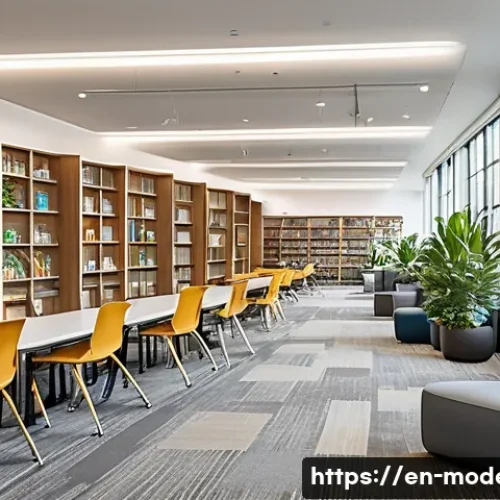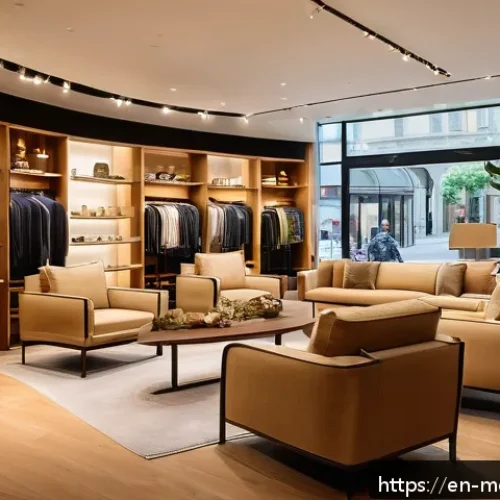
In today’s world, sustainable architecture is no longer just an option—it’s a necessity. Modern low-carbon building projects are transforming how we design and construct spaces, focusing on reducing carbon footprints while enhancing energy efficiency.

These innovations not only help combat climate change but also create healthier, more comfortable environments for occupants. From smart materials to renewable energy integration, the future of construction is greener and smarter than ever.
If you’re curious about how these cutting-edge techniques are reshaping urban landscapes, let’s dive deeper and explore the details together!
Innovative Materials Shaping Green Buildings
Advanced Insulation Technologies
When it comes to reducing energy consumption, insulation plays a crucial role. Recently, materials like aerogels and vacuum insulated panels have made a significant impact.
Aerogels, often dubbed “frozen smoke” due to their translucent and lightweight nature, provide exceptional thermal resistance with minimal thickness. In my own experience visiting a project that incorporated these, the difference in indoor temperature stability was immediately noticeable.
These materials not only reduce heating and cooling demands but also allow for slimmer wall designs, which is a win-win for both space and sustainability.
Vacuum insulated panels, on the other hand, trap air in a near-vacuum state, drastically cutting down heat transfer. Although slightly pricier upfront, their long-term energy savings and durability make them a worthy investment for eco-conscious architects and developers.
Smart Glass and Dynamic Facades
Gone are the days when windows were just static openings. Today’s smart glass technologies can tint, reflect, or absorb sunlight on demand, which drastically reduces the need for artificial cooling and lighting.
I’ve noticed buildings using electrochromic glass change their tint in real-time, adapting to the sun’s intensity and occupant preferences. This dynamic response not only improves occupant comfort by minimizing glare and heat but also slashes electricity bills.
Additionally, kinetic facades that adjust their shape or orientation throughout the day provide natural shading and ventilation, proving that architecture can be both functional and environmentally responsive.
Bio-Based and Recycled Building Materials
Sustainability isn’t just about energy; it’s also about what goes into the building itself. Bio-based materials like cross-laminated timber (CLT) and bamboo are gaining traction as renewable alternatives to concrete and steel.
I recently toured a structure made predominantly from CLT, and the warmth and natural aesthetic it offered were unmatched by conventional materials. Moreover, recycled content such as reclaimed wood, recycled steel, and even plastic composites are being integrated into building envelopes and interiors.
These materials reduce landfill waste and lower embodied carbon, giving buildings a more circular life cycle. Choosing such materials often requires thoughtful sourcing and quality checks, but the environmental payoff is undeniable.
Energy Systems Revolutionizing Low-Carbon Design
Solar Integration and Beyond
Solar energy remains the backbone of sustainable building power generation, but the approach has evolved beyond just rooftop panels. Building-integrated photovoltaics (BIPV) now allow solar cells to be seamlessly embedded into windows, facades, and even roofing materials, making renewable energy generation a natural part of the architecture rather than an afterthought.
I’ve observed that buildings using BIPV not only reduce their reliance on grid power but also maintain an aesthetic appeal that traditional panels often disrupt.
In addition to solar, micro wind turbines and geothermal systems are increasingly being combined with solar to create hybrid energy setups that maximize renewable potential regardless of location.
High-Efficiency HVAC and Smart Controls
Heating, ventilation, and air conditioning systems have long been the biggest energy drains in buildings. Modern low-carbon projects prioritize ultra-efficient HVAC units paired with smart sensors and AI-driven controls.
For example, demand-controlled ventilation adjusts airflow based on occupancy, ensuring energy isn’t wasted conditioning empty spaces. I’ve personally seen offices where the system learns daily usage patterns and optimizes itself, leading to noticeable drops in energy bills without compromising comfort.
Additionally, heat recovery ventilation systems reclaim warmth from exhausted air, further reducing heating loads during colder months.
Energy Storage and Grid Interaction
Storing energy onsite is crucial for balancing supply and demand, especially with intermittent renewables like solar. Battery storage solutions, such as lithium-ion and emerging solid-state batteries, allow buildings to save excess energy generated during the day for use at night or during peak hours.
I’ve encountered projects where integrated energy management platforms not only optimize storage but also interact dynamically with the grid, selling surplus power back to utilities or drawing power when prices are low.
This smart grid interaction fosters a more resilient and economically efficient energy ecosystem.
Water Conservation and Management in Sustainable Architecture
Rainwater Harvesting and Greywater Recycling
Water efficiency is often overlooked in low-carbon design, but it’s an essential piece of the sustainability puzzle. Rainwater harvesting systems collect and store precipitation for non-potable uses like irrigation, toilet flushing, and cooling towers.
I remember visiting a commercial building that reduced its municipal water consumption by more than half thanks to an innovative rainwater setup. Greywater recycling, which treats water from sinks, showers, and laundry, adds another layer of water reuse.
These systems not only conserve water but also reduce the energy footprint associated with water treatment and transport.
Low-Flow Fixtures and Smart Irrigation
Simple yet effective, low-flow faucets, showers, and toilets drastically cut water usage without sacrificing performance. In residential and commercial settings I’ve observed, these fixtures can reduce water bills significantly.
Pairing them with smart irrigation systems that monitor soil moisture and weather forecasts ensures outdoor water is applied only when needed. This synergy prevents overwatering, saving both water and energy used for pumping.
Over time, such integrated water management practices contribute meaningfully to a building’s overall sustainability goals.
Urban Green Spaces and Their Role in Carbon Reduction
Green Roofs and Living Walls
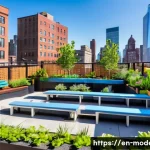
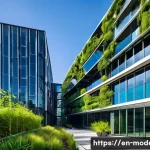
In dense urban environments, green roofs and living walls provide vital green lungs that improve air quality and reduce the heat island effect. I once visited a corporate headquarters where the green roof was not just a pretty garden but a functional ecosystem that insulated the building and absorbed CO2.
Living walls, often installed on building facades or interior spaces, help regulate humidity and improve occupant well-being. These features also promote biodiversity by creating habitats for birds and pollinators in otherwise concrete-heavy areas.
Community Gardens and Urban Agriculture
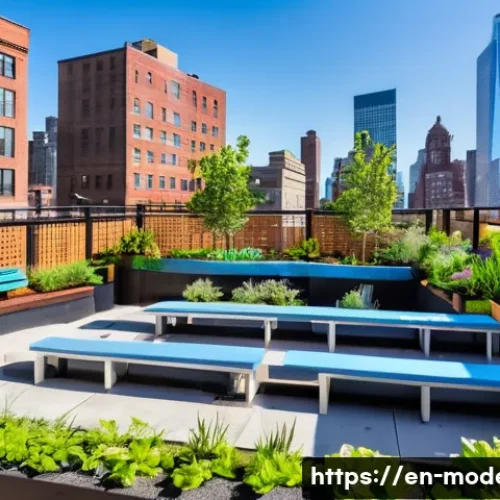
Sustainable architecture often extends beyond the building footprint to include the community. Urban agriculture initiatives incorporated into building complexes or rooftops provide fresh produce, reduce food miles, and foster social connections.
I’ve seen mixed-use developments with rooftop farms that supply local restaurants and residents, creating a circular food system. These spaces also offer educational opportunities about sustainability, engaging occupants and neighbors alike in environmental stewardship.
Public Parks and Carbon Sequestration
Public green spaces are critical carbon sinks and contribute to psychological well-being. Thoughtful urban planning integrates parks and tree-lined streets to maximize carbon sequestration while providing shade and cooling.
In cities I’ve visited with progressive green infrastructure, the difference in microclimate and air quality is palpable. Such spaces encourage walking and cycling, indirectly reducing transportation emissions as well.
Data-Driven Design for Optimized Sustainability
Building Information Modeling (BIM) and Simulation
BIM tools allow architects and engineers to visualize and analyze building performance before construction even begins. I’ve worked alongside teams using BIM to simulate energy use, daylight penetration, and airflow, enabling design tweaks that optimize sustainability outcomes.

This predictive approach reduces costly redesigns and material waste, ultimately leading to smarter, greener buildings.
Post-Occupancy Monitoring and Feedback Loops
Sustainability doesn’t stop at construction. Continuous monitoring of energy, water, and indoor environmental quality helps identify inefficiencies and occupant comfort issues.
I’ve been involved in projects where real-time dashboards informed facility managers and occupants alike, promoting behavioral changes that further reduce resource use.
This feedback loop ensures buildings perform as intended and adapt to evolving needs.
AI and Machine Learning in Building Management
Artificial intelligence is now being harnessed to analyze vast amounts of building data and optimize systems dynamically. In a few smart buildings I’ve toured, AI algorithms adjust lighting, HVAC, and shading in real-time, balancing comfort with energy savings.
These intelligent systems learn from patterns and external conditions, which means less human intervention and better overall performance. The result is a building that feels intuitive and responsive, much like a living organism.
Comparative Overview of Key Low-Carbon Building Technologies
| Technology | Main Benefit | Typical Application | Cost Consideration | Impact on Carbon Footprint |
|---|---|---|---|---|
| Aerogel Insulation | Exceptional thermal resistance with minimal thickness | Walls, roofs, retrofits | High initial cost, long-term savings | Significant reduction in heating/cooling energy |
| Smart Glass | Dynamic solar control and glare reduction | Windows, facades | Moderate to high, depending on type | Lower energy use for lighting and cooling |
| Cross-Laminated Timber (CLT) | Renewable, carbon-storing structural material | Structural frames, interiors | Competitive with steel/concrete | Embodied carbon savings and sequestration |
| Building-Integrated Photovoltaics (BIPV) | Seamless renewable energy generation | Roofs, facades, windows | Higher than traditional panels | Reduces grid electricity demand |
| Rainwater Harvesting | Water conservation and reuse | Non-potable water systems | Low to moderate | Reduces water-related energy use |
| AI-Driven HVAC Controls | Optimized energy use and occupant comfort | Commercial and residential buildings | Moderate | Energy consumption reduction up to 30% |
Policy and Incentives Driving Low-Carbon Architecture
Government Regulations and Building Codes
Many cities and countries now mandate strict energy efficiency and carbon reduction standards in building codes. I’ve seen firsthand how compliance with regulations like California’s Title 24 or the EU’s Nearly Zero Energy Buildings (NZEB) guidelines pushes innovation forward.
These policies often require higher upfront investment but drive the market toward more sustainable materials and technologies, leveling the playing field for green construction.
Financial Incentives and Subsidies
Tax credits, grants, and rebates can significantly offset the initial costs of sustainable building features. For example, the U.S. federal solar investment tax credit (ITC) has encouraged widespread adoption of solar panels.
In projects I’ve consulted on, leveraging these incentives helped stakeholders justify investments in technologies that might otherwise seem expensive.
Additionally, some municipalities offer expedited permitting or density bonuses for green building certifications, providing further motivation.
Green Certification Programs
Programs like LEED, WELL, and BREEAM not only validate a building’s sustainability credentials but also enhance market value and occupant satisfaction.
From my interactions with certified projects, these frameworks encourage holistic design approaches that go beyond energy savings to include health, comfort, and social responsibility.
Certification processes may require detailed documentation and third-party verification, but the credibility and visibility gained are well worth the effort.
Community Engagement and Behavioral Impact on Sustainability
Educating Occupants and Users
No matter how advanced a building’s systems are, occupant behavior plays a huge role in its actual sustainability performance. In one office I visited, a comprehensive education program taught employees how to use shading controls, adjust thermostats wisely, and reduce waste.
This engagement led to measurable reductions in energy and water use, proving that people are critical partners in any sustainability effort.
Designing for Flexibility and Adaptability
Buildings designed with adaptable spaces and systems encourage longer lifespans and reduce the need for resource-intensive renovations. I’ve been involved in projects where modular walls and multi-use areas allowed quick reconfiguration without demolition, cutting down material waste and embodied carbon.
This flexibility also supports changing occupant needs, which is increasingly important in today’s dynamic urban environments.
Promoting Social Equity through Sustainable Architecture
Sustainability isn’t just environmental—it’s social too. Incorporating affordable housing, accessible design, and community spaces into green projects fosters equity and inclusivity.
I recall a mixed-income development where sustainability features were integrated without raising rents, demonstrating that low-carbon design can benefit all socioeconomic groups.
This holistic approach strengthens community resilience and overall quality of life.
글을 마치며
Green building technologies are rapidly evolving, blending innovation with sustainability to create healthier and more efficient spaces. From advanced materials to smart energy systems, these solutions not only reduce environmental impact but also enhance occupant comfort and long-term value. Embracing these innovations is essential for shaping a sustainable future where buildings contribute positively to our planet and communities.
알아두면 쓸모 있는 정보
1. Advanced insulation materials like aerogels and vacuum insulated panels can significantly reduce heating and cooling costs while saving space in building design.
2. Smart glass and dynamic facades adapt to environmental conditions in real-time, improving energy efficiency and occupant comfort.
3. Bio-based and recycled materials not only lower embodied carbon but also add unique aesthetic and environmental benefits to buildings.
4. Integrating renewable energy systems such as BIPV and combining them with smart storage solutions maximizes onsite energy generation and grid interaction.
5. Water conservation techniques, including rainwater harvesting and smart irrigation, play a crucial role in reducing a building’s overall environmental footprint.
중요 사항 정리
Incorporating innovative materials and smart technologies into building design is key to achieving low-carbon and sustainable architecture. Prioritizing energy efficiency, water conservation, and urban green spaces creates healthier environments and reduces operational costs. Equally important is engaging occupants and communities to ensure these systems perform effectively over time. Finally, leveraging supportive policies and incentives can ease the transition toward greener construction and promote widespread adoption of sustainable practices.
Frequently Asked Questions (FAQ) 📖
Q: What are the key benefits of incorporating sustainable architecture in modern buildings?
A: Sustainable architecture offers a range of benefits that go beyond just environmental impact. From my experience, these buildings drastically reduce energy consumption, which means lower utility bills over time.
They also improve indoor air quality and natural lighting, creating healthier and more comfortable spaces to live or work in. Plus, sustainable buildings often have a longer lifespan and require less maintenance, making them a smart investment both economically and ecologically.
It’s not just about saving the planet—it’s about enhancing quality of life and future-proofing our spaces.
Q: How do smart materials contribute to reducing a building’s carbon footprint?
A: Smart materials are game-changers in sustainable construction. These materials can adapt to environmental changes—like thermochromic windows that adjust tint based on sunlight or phase-change materials that store and release heat.
I’ve seen projects where these innovations significantly cut down the need for artificial heating or cooling, directly lowering energy use and carbon emissions.
By intelligently responding to the building’s surroundings, smart materials make the whole structure more efficient without sacrificing comfort, which is a big step forward from traditional construction methods.
Q: What role does renewable energy integration play in low-carbon building projects?
A: Renewable energy integration is at the heart of truly sustainable buildings. Installing solar panels, wind turbines, or geothermal systems allows buildings to generate clean energy on-site, reducing dependence on fossil fuels.
From what I’ve observed, projects that incorporate these systems can sometimes achieve net-zero energy status, meaning they produce as much energy as they consume.
This not only slashes operational carbon emissions but often results in long-term savings. It’s a practical way to turn buildings into active contributors to a greener future rather than just consumers of energy.