Unlock the Future How LEED Certification Is Reshaping Modern Architecture

webmaster

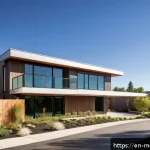
현대건축물 LEED 인증 건축 - Here are three detailed image generation prompts in English, adhering to all specified guidelines:

Have you ever walked into a building and just *felt* the difference – perhaps the air was cleaner, the light felt more natural, or there was a sense of calm that just lifted your spirits?

I’ve personally experienced this in so many of today’s cutting-edge structures, and it often boils down to something incredible: LEED certification. This isn’t just a fancy plaque on a wall; it’s a powerful statement that a building is designed for our health, our planet, and our wallets, truly redefining what modern architecture can be.

With trends like net-zero energy, biophilic design, and smart building tech becoming the new standard, these aren’t just eco-friendly spaces; they are vibrant, efficient ecosystems that prioritize human well-being and offer surprising financial benefits.

Imagine living or working in a place that actively contributes to your health and saves you money on utility bills! It’s truly game-changing, and from my perspective, it’s the future we all deserve.

Let’s get into the details and uncover just how amazing these buildings really are.

Beyond the Blueprint: What Makes a Building Truly “Green”?

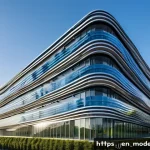
현대건축물 LEED 인증 건축 - Here are three detailed image generation prompts in English, adhering to all specified guidelines:

You know, when I first started hearing about “green buildings,” I pictured a bunch of solar panels slapped onto a roof and maybe some recycled plastic benches. But oh boy, was I wrong! It’s so much more intricate and thoughtful than just a few eco-friendly add-ons. What truly defines a green building, especially one with a prestigious LEED certification, is its holistic approach to sustainability. It’s about looking at every single element, from the ground up to the air we breathe inside, and asking how it can be better for people and the planet. We’re talking about site selection, water efficiency, energy performance, materials choices, indoor environmental quality, and even how the building connects to the surrounding community. It’s like a meticulously choreographed dance where every component plays a vital role in creating a healthier, more efficient, and ultimately more enjoyable space. I’ve personally walked through several LEED-certified buildings, and the difference isn’t just theoretical; you *feel* it. The intentionality behind every design choice, the way light pours in, the quiet hum of efficient systems – it’s genuinely transformative. It’s a testament to how architecture can move beyond just aesthetics and functionality to actively contribute to well-being.

It’s More Than Just Solar Panels

Honestly, the idea that green buildings are just about renewable energy is a common misconception, and one I certainly harbored for a while. While solar panels and wind turbines are fantastic components of a sustainable strategy, they’re only one piece of a much larger, more intricate puzzle. A truly green building starts long before any energy is generated. It begins with responsible site development, perhaps choosing a previously developed lot to reduce urban sprawl, or protecting existing natural habitats. Then, it delves into incredibly efficient water systems that capture rainwater or reuse greywater, drastically cutting down on consumption. It’s about using smart insulation and high-performance windows to minimize the energy needed for heating and cooling in the first place, making those solar panels even more effective. And let’s not forget the materials! We’re talking about locally sourced, recycled, or rapidly renewable materials that minimize environmental impact during production and transportation. It’s a comprehensive ecosystem, not just a single green feature, and that depth is what truly impresses me.

The Holistic Approach of LEED

LEED, which stands for Leadership in Energy and Environmental Design, isn’t just a checklist; it’s a rigorous framework that encourages and verifies sustainable design, construction, operations, and maintenance. From my perspective, what makes LEED so impactful is its holistic view. It breaks down sustainability into categories like Sustainable Sites, Water Efficiency, Energy and Atmosphere, Materials and Resources, Indoor Environmental Quality, and Innovation in Design. This multi-faceted approach ensures that a building isn’t just strong in one area but performs well across the board. For example, a building might excel in energy efficiency but fail if its indoor air quality is poor, or if it uses environmentally damaging materials. LEED pushes project teams to think about the interconnectedness of these elements, fostering an integrated design process where architects, engineers, and contractors collaborate from the very beginning. This comprehensive strategy is why LEED-certified buildings often outperform conventional buildings across a range of environmental and human health metrics. It really changes the game, setting a high bar for what we should expect from our built environment.

The Health Dividend: Why Green Buildings Feel So Much Better

Have you ever been in a space where you just felt… lighter? More focused? Less prone to that afternoon slump? I’ve absolutely experienced this in LEED-certified buildings, and it’s not just my imagination or some placebo effect. There’s a tangible “health dividend” that comes with these spaces. It’s about creating environments that actively support human well-being, rather than inadvertently detracting from it. We spend so much of our lives indoors, whether at home, work, or school, so the quality of these environments has a profound impact on our physical and mental health. Green buildings are designed with this fundamental truth in mind, leading to spaces that genuinely make you feel better. From the air you breathe to the light that illuminates your workspace, every element is considered for its impact on occupants. It’s a radical shift from merely creating shelter to crafting environments that promote vitality and a sense of calm. I’ve noticed a significant improvement in my own concentration and energy levels when I spend time in these thoughtfully designed spaces, and it’s truly a game-changer for daily life.

Breathing Easier: Improved Indoor Air Quality

One of the most immediate and noticeable benefits of a green building, at least from my personal experience, is the incredible difference in indoor air quality. I mean, let’s be real, conventional buildings can sometimes feel stuffy, or you get that faint, almost imperceptible “new building smell” that’s actually a cocktail of volatile organic compounds (VOCs). Green buildings, however, go to great lengths to minimize these airborne pollutants. They often utilize advanced filtration systems, bring in ample fresh outdoor air, and, crucially, specify low-VOC paints, adhesives, sealants, and furnishings. I recall touring an office building in Seattle where the air felt incredibly crisp and clean, almost like being outdoors on a fresh spring day. The designers had intentionally chosen materials that wouldn’t off-gas harmful chemicals, and you could absolutely tell the difference. This focus on clean air isn’t just about comfort; it significantly reduces respiratory issues, allergies, and even the “sick building syndrome” that can plague traditional workspaces. For someone like me who values a healthy environment, this aspect alone makes green buildings incredibly appealing.

Natural Light, Natural Mood: The Power of Biophilic Design

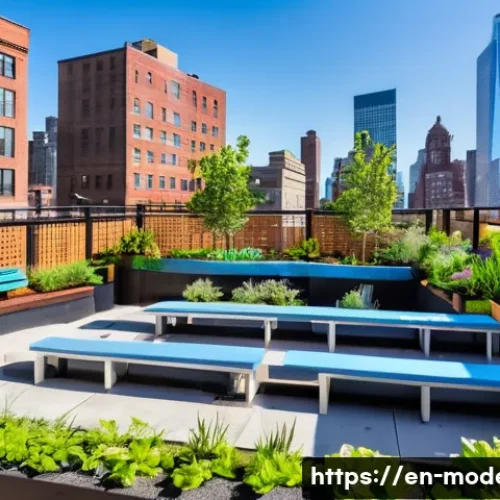
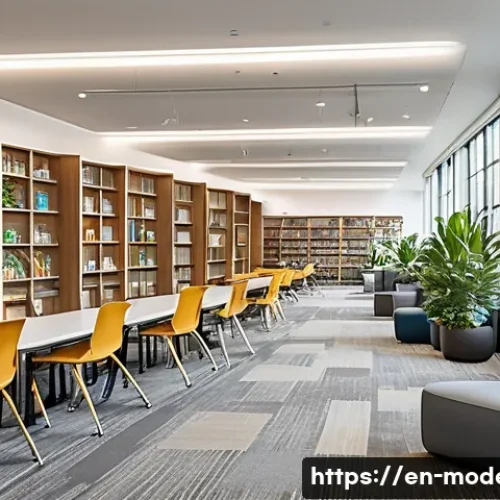
There’s something deeply comforting about natural light, isn’t there? It connects us to the outside world, helps regulate our circadian rhythms, and just generally makes us feel happier and more productive. This isn’t some new-age idea; it’s a cornerstone of what’s called biophilic design, and it’s a huge part of why green buildings feel so good. Instead of harsh fluorescent lights and windowless offices, you’ll find expansive windows, strategic skylights, and thoughtful building orientations that maximize daylight penetration. I’ve worked in offices where natural light was a luxury, and the difference when I moved to a space bathed in sunlight was astounding – my mood lifted, my eyes felt less strained, and I just generally had more energy. Beyond light, biophilic design integrates natural elements like indoor plants, water features, and views of greenery, which have been scientifically proven to reduce stress, improve cognitive function, and even accelerate healing. It’s about reconnecting us to nature, even when we’re indoors, and for me, that connection is invaluable for mental well-being and productivity.

Advertisement

Smart Investments: The Financial Perks of LEED Certified Spaces

Alright, let’s get down to brass tacks because while health and environmental benefits are fantastic, many people, myself included, also want to know about the bottom line. And guess what? LEED-certified buildings often come with some seriously attractive financial perks that make them smart investments. This isn’t just about feel-good vibes; it’s about tangible savings and increased asset value. I’ve spoken with property managers and business owners who’ve seen significant reductions in their operating costs year after year, which, let’s be honest, is music to anyone’s ears. The initial investment in green features might seem daunting to some, but what I’ve consistently found is that these costs are quickly recouped through efficiencies and then continue to generate savings for the life of the building. It’s truly a long-term play that pays off handsomely, proving that you don’t have to sacrifice financial prudence for environmental responsibility. In fact, they often go hand-in-hand, creating a win-win scenario for owners and occupants alike, which, from my experience, is a powerful motivator for adoption.

Watching Your Utility Bills Shrink

One of the most compelling financial arguments for LEED certification, and something I’ve seen firsthand, is the dramatic reduction in utility bills. Green buildings are designed from the ground up to be incredibly efficient. Think about it: superior insulation, high-performance windows, energy-efficient HVAC systems, and smart lighting controls all work in concert to slash energy consumption. I remember visiting a commercial building in Denver that boasted a 30% reduction in electricity costs compared to a similar-sized conventional building next door. That’s a massive saving over the course of a year, let alone the lifespan of the building! Beyond electricity, water efficiency measures – like low-flow fixtures, efficient irrigation systems, and even rainwater harvesting – significantly reduce water bills. For homeowners, this means more money in your pocket each month. For businesses, it translates directly into improved profitability. These aren’t minor tweaks; they’re fundamental design choices that yield substantial, ongoing financial dividends, making the case for green construction incredibly strong.

Boosting Property Value and Occupant Satisfaction

Beyond direct utility savings, LEED certification acts as a powerful differentiator in the real estate market. From my observations, green buildings often command higher rents, have lower vacancy rates, and even sell for more than their conventional counterparts. It’s simple supply and demand: there’s growing demand from tenants and buyers for healthier, more efficient spaces. Businesses are also increasingly recognizing the value of green workplaces in attracting and retaining top talent. Happy, healthy employees are more productive and less likely to take sick days, which is another indirect but significant financial benefit. I’ve heard countless stories from companies whose employees rave about their LEED-certified offices, citing better air, more natural light, and a generally more pleasant environment. This isn’t just about a higher price tag; it’s about creating an asset that provides ongoing value and satisfaction for everyone involved. It’s truly an investment that pays off not just financially, but in terms of human capital and market appeal, something I personally believe is becoming indispensable in today’s competitive landscape.

Feature Traditional Building LEED Certified Green Building
Energy Consumption High, often relying on fossil fuels for power and heating/cooling. Significantly lower, optimized through efficient systems, smart design, and renewables.
Water Usage Standard fixtures, often high water consumption for landscaping and indoor use. Reduced by 20-50% through low-flow fixtures, efficient irrigation, and water recycling.
Indoor Air Quality Can suffer from VOCs from materials, poor ventilation, and allergens. Enhanced through low-VOC materials, advanced filtration, and increased fresh air intake.
Material Sourcing Often uses newly manufactured, long-distance transported materials without regard for impact. Prioritizes local, recycled, rapidly renewable, and low-impact materials.
Occupant Health & Productivity Potential for “sick building syndrome,” lower comfort, and reduced productivity. Improved well-being, reduced stress, increased comfort, and higher productivity.
Operating Costs Higher utility bills and maintenance costs. Lower utility bills (energy, water), potentially reduced maintenance.

Building a Better Tomorrow: Environmental Impact

When we talk about the future, especially for our planet, the role of buildings is absolutely massive. It’s mind-boggling to think about just how much energy, water, and raw materials go into constructing and operating our built environment. But this is where green buildings, particularly those with LEED certification, truly shine. They offer a tangible, effective way to mitigate our environmental footprint and contribute to a more sustainable future. It’s not just about compliance; it’s about conscious design choices that have far-reaching positive effects. I’ve become increasingly aware of how every choice, from the types of materials we use to how we manage waste, collectively adds up to a huge impact. Green buildings proactively address these challenges, offering solutions that reduce pollution, conserve precious natural resources, and help combat climate change. For me, seeing a building thoughtfully designed to minimize its ecological burden isn’t just impressive; it’s inspiring, showing us what’s truly possible when we commit to intelligent, responsible development.

Conserving Precious Resources

One of the most critical environmental benefits of green buildings is their commitment to resource conservation. Think about it: every drop of water, every watt of electricity, every piece of lumber has a source and an impact. LEED-certified buildings are meticulously designed to minimize this impact across the board. They’re champions of water efficiency, employing everything from rainwater harvesting for irrigation and toilet flushing to advanced greywater recycling systems. This drastically reduces the demand on municipal water supplies, a critical consideration in many regions experiencing drought. On the energy front, their super-efficient envelopes, HVAC systems, and lighting reduce the need for grid energy, often integrating renewable sources. And when it comes to materials, these buildings prioritize recycled content, locally sourced products to reduce transportation emissions, and rapidly renewable resources like bamboo. It’s a comprehensive strategy for using less and making the most of what we have, a principle I personally believe is essential for our planet’s long-term health.

Reducing Our Carbon Footprint, One Building at a Time

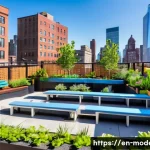
현대건축물 LEED 인증 건축 - Prompt 1: The Vibrant Heart of a Green Building**

Climate change is arguably the defining challenge of our era, and the building sector is a significant contributor to greenhouse gas emissions. This is precisely why LEED-certified buildings are so vital – they offer a powerful pathway to dramatically reduce our carbon footprint. By prioritizing energy efficiency, they directly cut down on the fossil fuels burned to heat, cool, and power our spaces. When they integrate renewable energy sources like solar or geothermal, they further offset carbon emissions. Beyond operational energy, green buildings also address “embodied carbon,” which is the carbon emitted during the extraction, manufacturing, transportation, and installation of building materials. By using recycled content and locally sourced materials, they reduce the emissions associated with manufacturing and transport. I’ve heard experts say that retrofitting existing buildings to be more energy-efficient can have an even bigger impact than new construction, showing that every effort counts. It’s a holistic battle against carbon, and every green building stands as a testament to our ability to create a more sustainable, low-carbon future.

Advertisement

From Vision to Reality: The LEED Certification Process Demystified

Okay, so we’ve talked a lot about the incredible benefits of LEED-certified buildings, but you might be wondering, “How does a building actually *get* that coveted certification?” It’s not just a handshake and a promise; it’s a rigorous, multi-step process that ensures a building genuinely meets high standards of sustainability. Having delved into this a bit myself, I can tell you it’s a testament to the commitment of the project teams. It starts early, ideally during the initial design phase, because integrating green strategies from the outset is far more effective and cost-efficient than trying to retrofit them later. It requires careful planning, documentation, and verification at every stage, culminating in a thorough review by the U.S. Green Building Council (USGBC). It might sound a little intimidating, but it’s a structured path designed to ensure accountability and deliver genuinely sustainable results. For me, understanding this process adds another layer of appreciation for the effort and expertise that goes into every certified project.

Understanding the Different Levels

One of the coolest things about LEED is that it’s not a one-size-fits-all certification; there are different levels, allowing projects to aim for varying degrees of sustainability based on their goals and capabilities. You’ve got Certified, Silver, Gold, and Platinum. Each level corresponds to a certain number of points earned across those various sustainability categories we discussed – sustainable sites, water efficiency, energy, materials, indoor environmental quality, and so on. A project earns points by implementing specific green building strategies, like installing low-flow fixtures, using recycled content, or maximizing daylight. The more points you rack up, the higher your certification level. It’s like a tiered achievement system, and from my perspective, this flexibility is brilliant because it encourages continuous improvement and allows a wide range of projects, from small offices to massive complexes, to participate and strive for excellence. It’s a great way to recognize varying levels of commitment and achievement within the green building movement.

The Journey from Design to Occupancy

The journey to LEED certification is definitely a marathon, not a sprint, and it involves a huge collaborative effort. It typically begins with a comprehensive planning phase where the project team, including the owner, architect, engineers, and contractors, establish their sustainability goals and identify target LEED credits. This early integration is crucial for success. During the design and construction phases, every decision – from selecting materials to installing systems – is documented to demonstrate compliance with LEED requirements. There’s a lot of testing and verification involved, ensuring that the building performs as intended. For instance, air quality tests might be conducted, or energy meters carefully monitored. Once construction is complete and the building is ready for occupancy, all the documentation is submitted to the USGBC for review. It’s a detailed and thorough process that, from what I’ve seen, truly ensures the integrity of the certification. It’s about building smarter, not just building faster, and that commitment to quality and sustainability makes all the difference.

My Personal Journey: Experiencing the Green Difference

I’ve always been someone who appreciates thoughtful design, but my understanding of “thoughtful” has really evolved since I started exploring the world of green buildings. What began as a curiosity has turned into a genuine passion, largely because of my personal experiences within these spaces. It’s one thing to read about improved air quality or energy efficiency, but it’s an entirely different thing to actually *feel* the difference day in and day out. These aren’t just abstract concepts; they translate into a tangible improvement in daily life. I’ve had the opportunity to work in, visit, and even live near LEED-certified structures, and each time, the experience reinforces my belief that this isn’t just a trend; it’s the standard we should all be striving for. There’s an undeniable sense of well-being that permeates these environments, making them not just places we inhabit, but places that actively contribute to our vitality. It’s a subtle yet profound shift that once you experience, you really can’t go back from.

A New Level of Comfort and Productivity

Honestly, I used to think of comfort in a building as purely about temperature control and a comfy chair. But after spending significant time in LEED-certified spaces, my definition has expanded dramatically. It’s about the holistic sense of well-being. I remember working on a project in a LEED Gold office building in downtown Boston, and the difference was palpable. The abundance of natural light kept me energized and focused, without that afternoon slump I often get under artificial lighting. The air felt consistently fresh, almost invigorating, and I noticed fewer headaches and less eye strain. It wasn’t just me; my colleagues often commented on how much more productive and less fatigued they felt by the end of the day. This enhanced comfort isn’t just a luxury; it translates directly into better focus, higher morale, and, ultimately, greater productivity. It’s truly amazing how a building’s design can impact your daily output and overall happiness, and for me, that realization was a huge eye-opener.

The Ripple Effect: Inspiring Sustainable Living

Beyond the immediate benefits within the building itself, I’ve noticed a fascinating “ripple effect” that green buildings tend to have. When you experience how comfortable, healthy, and efficient these spaces are, it naturally starts to influence your choices outside of them. I found myself paying more attention to energy use at home, considering water-saving appliances, and even thinking more critically about the materials in products I buy. There’s something about being in an intentionally sustainable environment that sparks a desire to live more sustainably in other areas of your life. It’s an inspiring push towards a more conscious way of living. I’ve seen this happen with friends and family too – once they visit a green building, they start asking questions, getting curious, and often making small changes in their own routines. This goes beyond just a building; it fosters a broader appreciation for environmental stewardship and inspires us to create a better world, one thoughtful choice at a time.

Advertisement

Wrapping Up Our Green Building Journey

Wow, what a journey we’ve had exploring the incredible world of green buildings, especially those with the coveted LEED certification! It’s truly amazing to see how much thought, innovation, and passion goes into creating spaces that aren’t just structures, but genuine contributors to our health, our wallets, and our planet. From the moment I stepped into my first LEED-certified building, I realized this wasn’t just about buzzwords; it’s about a tangible, positive shift in how we design and inhabit our world. These buildings prove that sustainability and comfort aren’t mutually exclusive – in fact, they go hand-in-hand, creating environments where we can thrive. I hope this deep dive has opened your eyes, just as it did mine, to the profound impact of thoughtful architecture and inspired you to look for greener choices in your own life!

Useful Information to Know

1. LEED-certified homes can significantly cut your electric bill, potentially by 20-30%, and some even up to 60% compared to standard homes, leading to substantial long-term savings.

2. Beyond energy, these homes also use considerably less water – up to half of what conventional properties consume – thanks to efficient fixtures and smart water management systems.

3. Investing in green buildings often results in a strong return on investment (ROI), with studies showing increased property values (up to 10% or more) and higher rental rates, making them attractive for homeowners and investors.

4. Many regions offer incentives like tax breaks, rebates, or discounted homeowner’s insurance for LEED-certified properties, further enhancing their financial appeal.

5. You can start making your own home greener by adopting simple habits like switching to LED bulbs, unplugging unused electronics, reducing water use, and making the most of natural light.

Advertisement

Key Takeaways

Green buildings are a game-changer, offering a holistic approach to design that prioritizes human well-being, financial efficiency, and environmental stewardship. LEED certification isn’t just a label; it’s a rigorous standard that ensures buildings are designed to reduce resource consumption, enhance indoor air quality, and minimize their carbon footprint. From lower utility bills and increased property values to healthier, more productive occupants, the benefits are clear and far-reaching. It’s an investment in a better future, one thoughtfully constructed space at a time.

Frequently Asked Questions (FAQ) 📖

Q: What is LEED certification, really, and why should I care?

A: This is a fantastic question, and one I get all the time! From my perspective, LEED, which stands for Leadership in Energy and Environmental Design, isn’t just some technical jargon.
It’s like a globally recognized seal of approval that tells you a building has been designed, constructed, operated, and maintained to be incredibly efficient, healthy, and environmentally friendly.
Think of it as a clear roadmap for creating better buildings. Why should you care? Well, I’ve personally walked into LEED-certified spaces and immediately felt a difference.
The air often feels fresher, the natural light is usually abundant, and there’s just a general sense of comfort and well-being. It’s about more than just saving the planet; it’s about creating spaces that actively contribute to your health and happiness.
Plus, when a building earns LEED, it’s a strong indicator of quality and a commitment to future value. It’s like buying a car with a great safety rating and fuel efficiency – it just makes sense for the long run, both for you and for the world around us.

Q: How do these “green” buildings actually save me money, or benefit my health?

A: This is where the rubber meets the road, and honestly, it’s one of the most exciting parts! I’ve seen firsthand how impressive the financial and health benefits are.
On the money side, LEED-certified buildings are typically designed to be incredibly energy and water efficient. This means significantly lower utility bills – we’re talking about real savings on electricity, heating, cooling, and water consumption, month after month.
Imagine a building with super-efficient insulation, high-performance windows, and smart systems that adjust lighting and temperature based on occupancy.
That translates directly into more cash in your pocket. Beyond that, many green buildings use durable, low-maintenance materials, which can reduce operational costs over time.
Now, for your health? This is huge! These buildings often prioritize features like improved indoor air quality through advanced filtration systems and the use of low-VOC (volatile organic compound) materials.
I’ve noticed a real difference in my own allergies and overall energy when spending time in such environments. They also tend to maximize natural light, which can boost mood and productivity, and incorporate elements of biophilic design – bringing nature indoors – which I find incredibly calming and stress-reducing.
It’s truly a holistic approach that benefits both your wallet and your well-being.

Q: Is LEED certification just for massive corporate towers, or can these principles apply to my own home or small business?

A: Absolutely not! This is a common misconception, and I’m so glad you asked. While you definitely see LEED certification proudly displayed on impressive corporate headquarters and public buildings, the underlying principles are incredibly adaptable and relevant to almost any structure, including your home or a small business.
Think about it: concepts like energy efficiency, water conservation, using sustainable materials, and improving indoor air quality are beneficial everywhere.
For homeowners, while you might not pursue formal LEED certification, you can totally adopt green building practices during a renovation or new build.
I’ve seen friends dramatically cut their energy bills by upgrading insulation, installing smart thermostats, or even adding native landscaping to reduce water use.
For small businesses, applying these principles can not only reduce operating costs but also enhance your brand image, attracting environmentally conscious customers and employees.
There are even resources and local programs that can guide you in making your smaller space greener without needing to jump through all the hoops of a full certification process.
So yes, these game-changing ideas are for everyone, regardless of the size of their building.