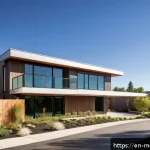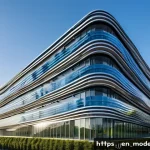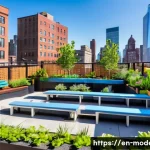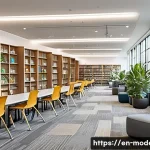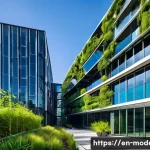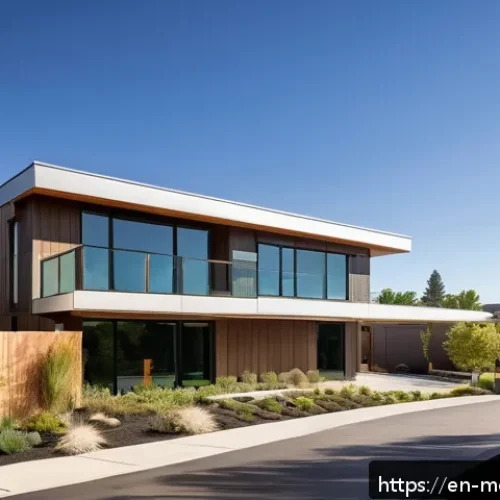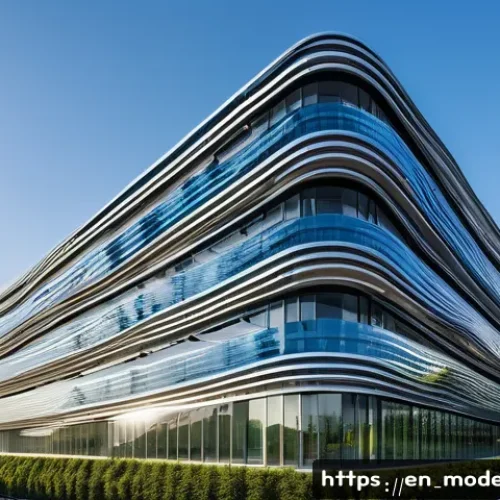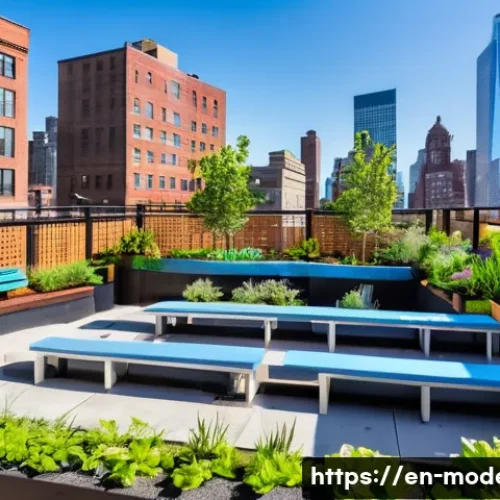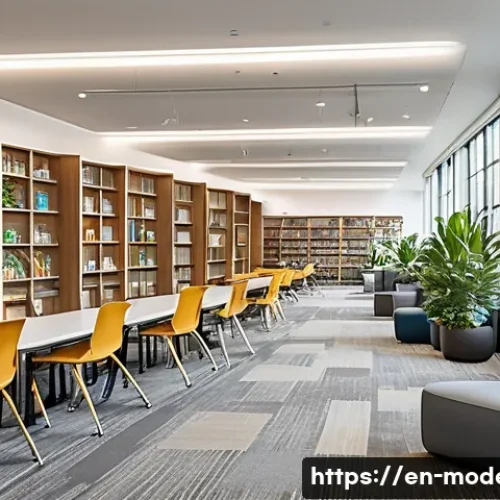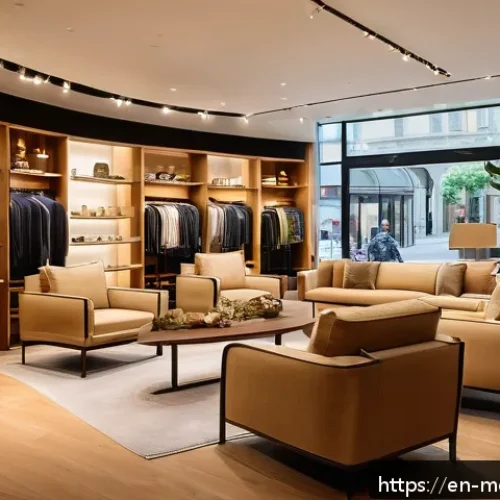
Modern architecture is constantly evolving, pushing boundaries with innovative designs and sustainable practices. We’re seeing a surge in biophilic design, integrating nature into urban landscapes, and a focus on smart technologies that enhance building efficiency.
Architects are also experimenting with new materials and construction techniques, like 3D-printed structures and modular designs, to create more sustainable and cost-effective solutions.
Personally, I find the shift towards adaptive reuse – repurposing existing buildings – particularly fascinating; it breathes new life into historical spaces while minimizing environmental impact.
Join me as we delve deeper into the exciting world of modern architectural trends. Let’s find out about it in the article below.
Modern architecture is constantly evolving, pushing boundaries with innovative designs and sustainable practices. We’re seeing a surge in biophilic design, integrating nature into urban landscapes, and a focus on smart technologies that enhance building efficiency.
Architects are also experimenting with new materials and construction techniques, like 3D-printed structures and modular designs, to create more sustainable and cost-effective solutions.
Personally, I find the shift towards adaptive reuse – repurposing existing buildings – particularly fascinating; it breathes new life into historical spaces while minimizing environmental impact.
Join me as we delve deeper into the exciting world of modern architectural trends. Let’s find out about it in the article below.
Embracing Green Innovation: The Rise of Sustainable Materials

The architectural world is becoming increasingly conscious of its environmental footprint, leading to a surge in the use of sustainable materials. From bamboo and reclaimed wood to innovative concrete alternatives and recycled plastics, architects are constantly seeking ways to minimize the impact of their designs.
Using sustainable materials isn’t just a trend; it’s a necessary shift towards a more responsible and eco-friendly approach to construction, and it’s amazing to see how creativity and sustainability can intertwine.
The Versatility of Bamboo
Bamboo, known for its rapid growth and incredible strength, has become a favored material in sustainable construction. I’ve seen it used in everything from flooring and paneling to structural elements.
Its natural beauty and versatility make it an attractive choice for architects looking to blend aesthetics with environmental responsibility. Plus, bamboo forests help sequester carbon dioxide, making it an excellent choice for carbon-neutral buildings.
Reclaimed Wood: Giving Old Materials New Life
Reclaimed wood is another fantastic option for sustainable building. By repurposing wood from old buildings, barns, and even fallen trees, architects can reduce the demand for newly harvested timber.
I love the character and history that reclaimed wood brings to a space. Each piece tells a story, adding warmth and a unique touch that new materials simply can’t replicate.
Innovative Concrete Alternatives
Traditional concrete production is a major source of carbon emissions, but thankfully, innovators are developing eco-friendly alternatives. From using recycled aggregates and supplementary cementitious materials to creating bio-concrete that self-repairs cracks, there are exciting new ways to reduce the environmental impact of concrete.
Smart Buildings: Where Technology Meets Architecture
The integration of smart technology into buildings is transforming how we live and work. Smart buildings use sensors, automation, and data analytics to optimize energy consumption, enhance security, and create more comfortable and responsive environments.
I’ve personally experienced the benefits of smart building technology in my own home and office, and it’s remarkable how these systems can adapt to our needs in real-time.
It’s all about creating spaces that are not only aesthetically pleasing but also intelligent and efficient.
Optimizing Energy Consumption
Smart buildings use sensors and automated systems to monitor and adjust energy consumption based on occupancy, weather conditions, and time of day. For example, lighting and HVAC systems can automatically adjust to reduce energy waste when a room is unoccupied or when natural light is abundant.
Enhanced Security Features
Smart building technology can also improve security through features like facial recognition, smart locks, and real-time surveillance systems. These technologies can help prevent unauthorized access, detect potential threats, and provide a safer environment for occupants.
Creating Responsive Environments
Smart buildings can adapt to the needs of their occupants in real-time. For example, temperature, lighting, and air quality can be automatically adjusted based on individual preferences and environmental conditions.
This creates a more comfortable and productive environment for everyone.
The Allure of Biophilic Design: Bringing Nature Indoors
Biophilic design focuses on connecting building occupants with the natural environment. This can be achieved through incorporating natural light, greenery, water features, and natural materials into the design.
Biophilic design isn’t just about aesthetics; it’s about promoting well-being and productivity. I’ve always felt more relaxed and inspired in spaces that incorporate natural elements.
Maximizing Natural Light
Natural light is a key element of biophilic design. Large windows, skylights, and light shelves can bring natural light deep into a building, reducing the need for artificial lighting and creating a more pleasant and energizing environment.
Incorporating Greenery
Plants and green walls can bring life and vibrancy to indoor spaces. They also help purify the air, reduce stress, and improve overall well-being. I’ve noticed a significant difference in my mood and productivity when working in a space with plenty of plants.
Using Natural Materials
Natural materials like wood, stone, and bamboo can create a sense of warmth and connection to nature. These materials can also have a positive impact on indoor air quality, as they are often less likely to emit harmful chemicals than synthetic materials.
Adaptive Reuse: Breathing New Life into Old Buildings
Adaptive reuse is the process of repurposing existing buildings for new uses. This approach not only reduces the environmental impact of construction but also preserves historical landmarks and adds character to urban landscapes.
I am particularly drawn to adaptive reuse projects because they showcase how we can honor the past while embracing the future.
Preserving Historical Landmarks
Adaptive reuse projects can help preserve historical landmarks by giving them new life and purpose. By repurposing old buildings, we can protect their architectural heritage and prevent them from falling into disrepair.
Reducing Environmental Impact
Adaptive reuse is a sustainable alternative to demolishing old buildings and constructing new ones. By repurposing existing structures, we can reduce the amount of construction waste and minimize the environmental impact of building projects.
Adding Character to Urban Landscapes
Adaptive reuse projects can add character and charm to urban landscapes by preserving unique architectural features and creating spaces that tell a story.
These projects can also help revitalize neighborhoods and create vibrant, mixed-use communities.
Modular Construction: Efficiency and Flexibility
Modular construction involves building components off-site in a factory setting and then assembling them on-site. This approach can significantly reduce construction time, minimize waste, and improve quality control.
I’ve been impressed by the efficiency and precision of modular construction projects. It’s a game-changer for the construction industry.
Reduced Construction Time
Modular construction can significantly reduce construction time by allowing for simultaneous manufacturing and site preparation. This can save time and money for developers and building owners.
Minimized Waste
Modular construction can minimize waste by allowing for precise material calculations and reducing on-site construction debris. This can lead to more sustainable building practices and lower disposal costs.
Improved Quality Control
Modular construction allows for strict quality control in a factory setting, ensuring that building components are built to precise specifications. This can lead to higher-quality buildings with fewer defects.
3D-Printed Structures: The Future of Construction
3D-printed construction is an emerging technology that involves using large-scale 3D printers to build structures from the ground up. This innovative approach has the potential to revolutionize the construction industry by reducing labor costs, minimizing waste, and enabling the creation of complex and customized designs.
Reduced Labor Costs
3D-printed construction can significantly reduce labor costs by automating the building process. This can make construction more affordable and accessible, especially in areas with high labor costs.
Minimized Waste
3D-printed construction can minimize waste by using only the amount of material needed for the structure. This can lead to more sustainable building practices and lower disposal costs.
Enabling Complex Designs
3D-printed construction can enable the creation of complex and customized designs that would be difficult or impossible to achieve with traditional construction methods.
This can open up new possibilities for architectural innovation and creativity.
The Growing Importance of Wellness Architecture
Wellness architecture focuses on designing buildings that promote the health and well-being of their occupants. This includes considerations such as indoor air quality, lighting, acoustics, and access to nature.
I’ve realized that our physical environment has a profound impact on our mental and physical health.
Prioritizing Indoor Air Quality
Wellness architecture prioritizes indoor air quality by using low-VOC materials, installing advanced filtration systems, and ensuring adequate ventilation.
This can help reduce the risk of respiratory problems and other health issues.
Optimizing Lighting
Wellness architecture optimizes lighting by maximizing natural light and using artificial lighting that mimics natural light. This can help regulate circadian rhythms, improve mood, and increase productivity.
Creating Acoustic Comfort
Wellness architecture creates acoustic comfort by using sound-absorbing materials and designing spaces that minimize noise pollution. This can help reduce stress and improve concentration.
Here is a table summarizing some key trends in modern architecture:
| Trend | Description | Benefits |
|---|---|---|
| Sustainable Materials | Using eco-friendly materials like bamboo, reclaimed wood, and recycled plastics. | Reduces environmental impact, conserves resources, and promotes eco-friendly building practices. |
| Smart Buildings | Integrating technology to optimize energy consumption, enhance security, and create responsive environments. | Reduces energy waste, improves security, and creates comfortable and productive spaces. |
| Biophilic Design | Connecting building occupants with the natural environment through natural light, greenery, and natural materials. | Promotes well-being, reduces stress, and improves indoor air quality. |
| Adaptive Reuse | Repurposing existing buildings for new uses. | Preserves historical landmarks, reduces environmental impact, and adds character to urban landscapes. |
| Modular Construction | Building components off-site in a factory setting and then assembling them on-site. | Reduces construction time, minimizes waste, and improves quality control. |
| 3D-Printed Structures | Using large-scale 3D printers to build structures. | Reduces labor costs, minimizes waste, and enables complex designs. |
| Wellness Architecture | Designing buildings that promote the health and well-being of their occupants. | Improves indoor air quality, optimizes lighting, and creates acoustic comfort. |
By embracing these modern architectural trends, we can create buildings that are not only aesthetically pleasing but also sustainable, efficient, and conducive to our well-being.
I’m excited to see how these trends continue to evolve and shape the built environment in the years to come. Modern architecture is constantly evolving, pushing boundaries with innovative designs and sustainable practices.
We’re seeing a surge in biophilic design, integrating nature into urban landscapes, and a focus on smart technologies that enhance building efficiency.
Architects are also experimenting with new materials and construction techniques, like 3D-printed structures and modular designs, to create more sustainable and cost-effective solutions.
Personally, I find the shift towards adaptive reuse – repurposing existing buildings – particularly fascinating; it breathes new life into historical spaces while minimizing environmental impact.
Join me as we delve deeper into the exciting world of modern architectural trends. Let’s find out about it in the article below.
Embracing Green Innovation: The Rise of Sustainable Materials
The architectural world is becoming increasingly conscious of its environmental footprint, leading to a surge in the use of sustainable materials. From bamboo and reclaimed wood to innovative concrete alternatives and recycled plastics, architects are constantly seeking ways to minimize the impact of their designs. Using sustainable materials isn’t just a trend; it’s a necessary shift towards a more responsible and eco-friendly approach to construction, and it’s amazing to see how creativity and sustainability can intertwine.
The Versatility of Bamboo
Bamboo, known for its rapid growth and incredible strength, has become a favored material in sustainable construction. I’ve seen it used in everything from flooring and paneling to structural elements. Its natural beauty and versatility make it an attractive choice for architects looking to blend aesthetics with environmental responsibility. Plus, bamboo forests help sequester carbon dioxide, making it an excellent choice for carbon-neutral buildings.
Reclaimed Wood: Giving Old Materials New Life

Reclaimed wood is another fantastic option for sustainable building. By repurposing wood from old buildings, barns, and even fallen trees, architects can reduce the demand for newly harvested timber. I love the character and history that reclaimed wood brings to a space. Each piece tells a story, adding warmth and a unique touch that new materials simply can’t replicate.
Innovative Concrete Alternatives
Traditional concrete production is a major source of carbon emissions, but thankfully, innovators are developing eco-friendly alternatives. From using recycled aggregates and supplementary cementitious materials to creating bio-concrete that self-repairs cracks, there are exciting new ways to reduce the environmental impact of concrete.
Smart Buildings: Where Technology Meets Architecture
The integration of smart technology into buildings is transforming how we live and work. Smart buildings use sensors, automation, and data analytics to optimize energy consumption, enhance security, and create more comfortable and responsive environments. I’ve personally experienced the benefits of smart building technology in my own home and office, and it’s remarkable how these systems can adapt to our needs in real-time. It’s all about creating spaces that are not only aesthetically pleasing but also intelligent and efficient.
Optimizing Energy Consumption
Smart buildings use sensors and automated systems to monitor and adjust energy consumption based on occupancy, weather conditions, and time of day. For example, lighting and HVAC systems can automatically adjust to reduce energy waste when a room is unoccupied or when natural light is abundant.
Enhanced Security Features
Smart building technology can also improve security through features like facial recognition, smart locks, and real-time surveillance systems. These technologies can help prevent unauthorized access, detect potential threats, and provide a safer environment for occupants.
Creating Responsive Environments
Smart buildings can adapt to the needs of their occupants in real-time. For example, temperature, lighting, and air quality can be automatically adjusted based on individual preferences and environmental conditions. This creates a more comfortable and productive environment for everyone.
The Allure of Biophilic Design: Bringing Nature Indoors
Biophilic design focuses on connecting building occupants with the natural environment. This can be achieved through incorporating natural light, greenery, water features, and natural materials into the design. Biophilic design isn’t just about aesthetics; it’s about promoting well-being and productivity. I’ve always felt more relaxed and inspired in spaces that incorporate natural elements.
Maximizing Natural Light
Natural light is a key element of biophilic design. Large windows, skylights, and light shelves can bring natural light deep into a building, reducing the need for artificial lighting and creating a more pleasant and energizing environment.
Incorporating Greenery
Plants and green walls can bring life and vibrancy to indoor spaces. They also help purify the air, reduce stress, and improve overall well-being. I’ve noticed a significant difference in my mood and productivity when working in a space with plenty of plants.
Using Natural Materials
Natural materials like wood, stone, and bamboo can create a sense of warmth and connection to nature. These materials can also have a positive impact on indoor air quality, as they are often less likely to emit harmful chemicals than synthetic materials.
Adaptive Reuse: Breathing New Life into Old Buildings
Adaptive reuse is the process of repurposing existing buildings for new uses. This approach not only reduces the environmental impact of construction but also preserves historical landmarks and adds character to urban landscapes. I am particularly drawn to adaptive reuse projects because they showcase how we can honor the past while embracing the future.
Preserving Historical Landmarks
Adaptive reuse projects can help preserve historical landmarks by giving them new life and purpose. By repurposing old buildings, we can protect their architectural heritage and prevent them from falling into disrepair.
Reducing Environmental Impact
Adaptive reuse is a sustainable alternative to demolishing old buildings and constructing new ones. By repurposing existing structures, we can reduce the amount of construction waste and minimize the environmental impact of building projects.
Adding Character to Urban Landscapes
Adaptive reuse projects can add character and charm to urban landscapes by preserving unique architectural features and creating spaces that tell a story. These projects can also help revitalize neighborhoods and create vibrant, mixed-use communities.
Modular Construction: Efficiency and Flexibility
Modular construction involves building components off-site in a factory setting and then assembling them on-site. This approach can significantly reduce construction time, minimize waste, and improve quality control. I’ve been impressed by the efficiency and precision of modular construction projects. It’s a game-changer for the construction industry.
Reduced Construction Time
Modular construction can significantly reduce construction time by allowing for simultaneous manufacturing and site preparation. This can save time and money for developers and building owners.
Minimized Waste
Modular construction can minimize waste by allowing for precise material calculations and reducing on-site construction debris. This can lead to more sustainable building practices and lower disposal costs.
Improved Quality Control
Modular construction allows for strict quality control in a factory setting, ensuring that building components are built to precise specifications. This can lead to higher-quality buildings with fewer defects.
3D-Printed Structures: The Future of Construction
3D-printed construction is an emerging technology that involves using large-scale 3D printers to build structures from the ground up. This innovative approach has the potential to revolutionize the construction industry by reducing labor costs, minimizing waste, and enabling the creation of complex and customized designs.
Reduced Labor Costs
3D-printed construction can significantly reduce labor costs by automating the building process. This can make construction more affordable and accessible, especially in areas with high labor costs.
Minimized Waste
3D-printed construction can minimize waste by using only the amount of material needed for the structure. This can lead to more sustainable building practices and lower disposal costs.
Enabling Complex Designs
3D-printed construction can enable the creation of complex and customized designs that would be difficult or impossible to achieve with traditional construction methods. This can open up new possibilities for architectural innovation and creativity.
The Growing Importance of Wellness Architecture
Wellness architecture focuses on designing buildings that promote the health and well-being of their occupants. This includes considerations such as indoor air quality, lighting, acoustics, and access to nature. I’ve realized that our physical environment has a profound impact on our mental and physical health.
Prioritizing Indoor Air Quality
Wellness architecture prioritizes indoor air quality by using low-VOC materials, installing advanced filtration systems, and ensuring adequate ventilation. This can help reduce the risk of respiratory problems and other health issues.
Optimizing Lighting
Wellness architecture optimizes lighting by maximizing natural light and using artificial lighting that mimics natural light. This can help regulate circadian rhythms, improve mood, and increase productivity.
Creating Acoustic Comfort
Wellness architecture creates acoustic comfort by using sound-absorbing materials and designing spaces that minimize noise pollution. This can help reduce stress and improve concentration.
Here is a table summarizing some key trends in modern architecture:
| Trend | Description | Benefits |
|---|---|---|
| Sustainable Materials | Using eco-friendly materials like bamboo, reclaimed wood, and recycled plastics. | Reduces environmental impact, conserves resources, and promotes eco-friendly building practices. |
| Smart Buildings | Integrating technology to optimize energy consumption, enhance security, and create responsive environments. | Reduces energy waste, improves security, and creates comfortable and productive spaces. |
| Biophilic Design | Connecting building occupants with the natural environment through natural light, greenery, and natural materials. | Promotes well-being, reduces stress, and improves indoor air quality. |
| Adaptive Reuse | Repurposing existing buildings for new uses. | Preserves historical landmarks, reduces environmental impact, and adds character to urban landscapes. |
| Modular Construction | Building components off-site in a factory setting and then assembling them on-site. | Reduces construction time, minimizes waste, and improves quality control. |
| 3D-Printed Structures | Using large-scale 3D printers to build structures. | Reduces labor costs, minimizes waste, and enables complex designs. |
| Wellness Architecture | Designing buildings that promote the health and well-being of their occupants. | Improves indoor air quality, optimizes lighting, and creates acoustic comfort. |
By embracing these modern architectural trends, we can create buildings that are not only aesthetically pleasing but also sustainable, efficient, and conducive to our well-being. I’m excited to see how these trends continue to evolve and shape the built environment in the years to come.
In Conclusion
Modern architecture is a fascinating blend of innovation, sustainability, and technology, constantly evolving to meet the changing needs of our world. From eco-friendly materials to smart building systems, the possibilities are endless. It’s exciting to witness how architects are pushing boundaries and creating spaces that not only look amazing but also contribute to a healthier, more sustainable future. I hope this article has inspired you to explore the world of modern architecture and appreciate the ingenuity and creativity behind these groundbreaking designs.
Useful Information
1. Local Green Building Councils: Check out your local Green Building Council chapter for resources and certifications related to sustainable building practices. They often host workshops and events to learn more.
2. Architectural Design Software Tutorials: If you’re interested in exploring architectural design, there are plenty of free tutorials available online for software like AutoCAD, Revit, and SketchUp.
3. Sustainable Material Suppliers: Research local suppliers of sustainable materials like bamboo, reclaimed wood, and recycled content products for your next project.
4. Smart Home Technology Retailers: Visit your local electronics retailer to explore the latest smart home technology for energy management, security, and convenience.
5. Community Gardens and Green Spaces: Take a stroll through your local community gardens and green spaces to experience the benefits of biophilic design firsthand and get inspiration for incorporating nature into your own spaces.
Key Takeaways
• Sustainable materials like bamboo and reclaimed wood are gaining prominence in eco-friendly construction.
• Smart buildings use technology to optimize energy consumption and enhance security.
• Biophilic design connects occupants with nature to promote well-being.
• Adaptive reuse breathes new life into old buildings, preserving history and reducing environmental impact.
• Modular and 3D-printed construction offer efficiency and flexibility in building processes.
Frequently Asked Questions (FAQ) 📖
Q: What exactly is biophilic design and why is it gaining so much popularity in modern architecture?
A: Biophilic design, simply put, is about connecting buildings and the people who inhabit them with the natural world. Think lots of natural light, indoor plants, water features, and materials that mimic nature, like wood and stone.
From my own experience walking through buildings incorporating this, I’ve noticed a huge difference; it’s way more calming and inspiring than your typical concrete jungle.
It’s becoming popular because studies are showing it boosts productivity, reduces stress, and generally makes people happier. Plus, it’s a step towards more sustainable building practices.
Q: You mentioned adaptive reuse. Can you give me a specific example of how this works in practice?
A: Sure! A really cool example I saw in Brooklyn was an old warehouse district that was transformed into a series of loft apartments, restaurants, and art galleries.
Instead of tearing down these structurally sound buildings, they kept the original brick facades, exposed beams, and even some of the old industrial machinery, incorporating them into the new design.
It gave the whole area a unique character and saved a ton of resources that would’ve been used in new construction. I think it’s genius, personally. It’s like giving a historical building a brand-new, modern story.
Q: What are some of the challenges architects face when trying to implement these cutting-edge modern architectural trends?
A: Well, one big challenge is cost. Sustainable materials and advanced technologies can be expensive upfront, which can be a hurdle for developers. Also, convincing clients who are used to traditional designs to embrace these new ideas can be tough.
And then there’s the technical aspect: architects need to be well-versed in the latest software, construction techniques, and building codes to pull these projects off successfully.
I’ve heard architects complain about navigating bureaucracy related to building regulations, too, which can really slow things down. It’s a balancing act between innovation, practicality, and budget.
📚 References
Wikipedia Encyclopedia
구글 검색 결과
구글 검색 결과
구글 검색 결과
구글 검색 결과
구글 검색 결과