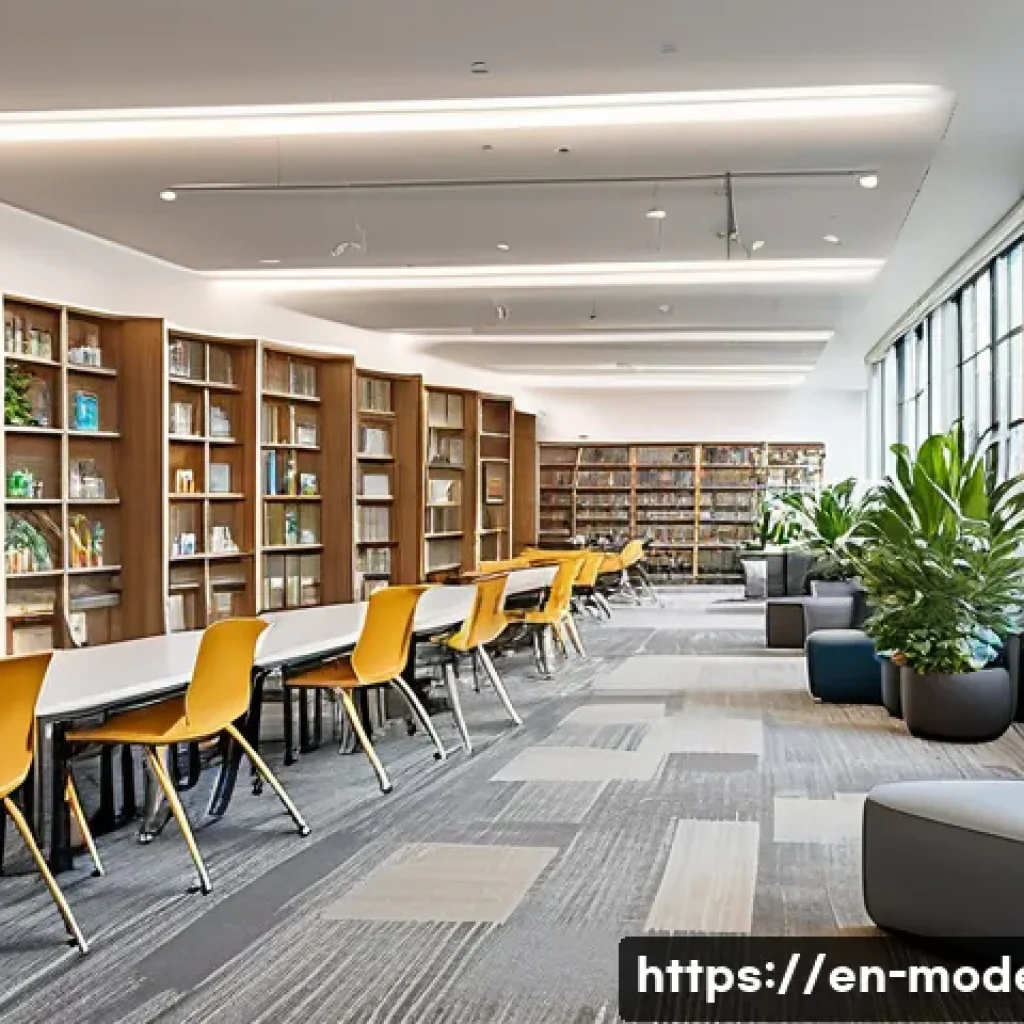
Libraries have evolved far beyond mere book storage—they’re now vibrant hubs of innovation and community engagement. Modern architectural designs are redefining how these spaces inspire creativity, foster collaboration, and embrace sustainability.
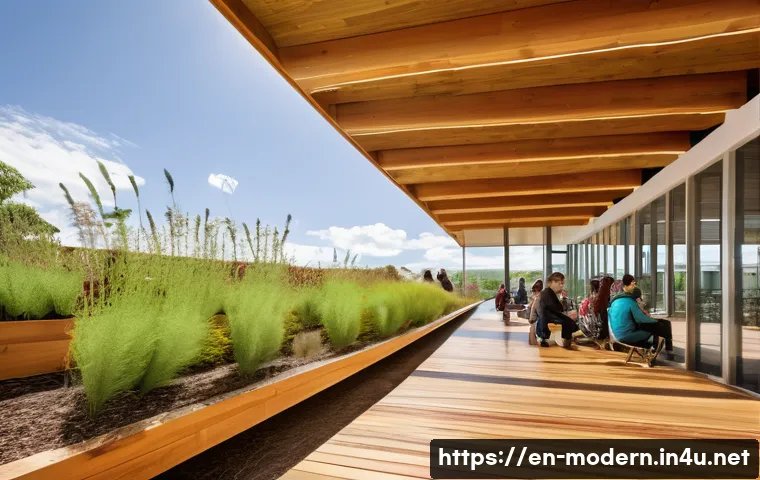
From cutting-edge technology integration to eco-friendly materials, today’s library buildings showcase a perfect blend of form and function. Experiencing these dynamic environments firsthand reveals how architecture shapes our interaction with knowledge.
Curious about the groundbreaking trends transforming library design? Let’s dive deeper and explore these exciting developments together!
Reimagining Library Spaces for Community Connection
Designing for Interaction and Collaboration
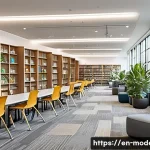
Libraries today are intentionally crafted to encourage social interaction and collaborative learning. Unlike the quiet, isolated reading rooms of the past, modern libraries feature open floor plans with flexible seating arrangements that invite groups to gather comfortably.
Spaces are designed to support workshops, study groups, and community events, often incorporating movable furniture and writable walls to adapt to different needs.
From my visits to newly built libraries, I noticed how natural light floods these areas, creating an inviting atmosphere where people naturally gravitate toward shared activities.
This shift in design philosophy acknowledges that learning is a social experience, not just an individual one.
Incorporating Technology as a Social Catalyst
Technology integration goes far beyond just offering free Wi-Fi. Interactive digital kiosks, virtual reality zones, and media production studios are becoming standard features, transforming libraries into creative tech hubs.
I’ve seen firsthand how these tech amenities bring diverse groups together—students collaborate on multimedia projects, local entrepreneurs hold digital marketing workshops, and seniors attend coding classes.
These tools not only foster digital literacy but also help build community ties by connecting users through shared interests and skills. It’s fascinating how architecture supports this technology use by creating wired and wireless zones, charging stations, and soundproof rooms tailored for different tech-driven activities.
Embracing Inclusivity Through Universal Design
Modern libraries strive to be welcoming to everyone, regardless of age, ability, or background. Universal design principles ensure accessibility is seamlessly integrated into every corner—from ramps and tactile signage to adjustable desks and quiet zones for neurodiverse visitors.
In one library I explored, sensory rooms and family-friendly spaces were thoughtfully placed near the entrance, signaling a genuine commitment to inclusivity.
These design choices don’t just comply with regulations; they actively promote equity and comfort, making every visitor feel valued and supported. The result is a library environment that truly reflects the diversity of its community.
Eco-Friendly Innovations Shaping Library Architecture
Utilizing Sustainable Materials and Construction Methods
Sustainability is no longer an afterthought but a driving force behind library design. Many new libraries use locally sourced, recycled, or renewable materials such as bamboo flooring, reclaimed wood, and low-VOC paints.
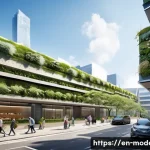
From my observation, these choices not only reduce environmental impact but also create warm, natural interiors that enhance visitors’ wellbeing. Construction methods emphasize energy efficiency, with techniques like passive solar heating, green roofs, and rainwater harvesting incorporated into the building’s DNA.
These eco-conscious elements demonstrate how libraries can lead by example in environmental stewardship.
Energy Efficiency Through Smart Building Systems
Advanced energy management systems optimize lighting, heating, and cooling, significantly lowering operational costs and carbon footprints. Motion sensors adjust LED lighting based on occupancy, while smart thermostats respond to weather changes and room usage.
During a tour of a cutting-edge library, I was impressed by how the building’s automation system seamlessly balanced comfort with sustainability. These innovations aren’t just green marketing—they directly improve user experience by maintaining pleasant indoor climates and reducing noise pollution from HVAC equipment.
The integration of renewable energy sources, such as solar panels, further underscores the commitment to a sustainable future.
Creating Outdoor Learning and Gathering Spaces
Outdoor areas have become essential extensions of the library environment, providing spaces for informal learning, relaxation, and community events. Gardens, amphitheaters, and rooftop terraces offer fresh air and natural light, encouraging visitors to engage with nature while they read or collaborate.
One memorable visit revealed how an outdoor classroom with Wi-Fi and weatherproof seating became a popular spot for book clubs and workshops. These spaces also contribute to urban biodiversity and help mitigate the heat island effect in city centers.
By blurring the boundaries between indoors and outdoors, libraries promote healthier, more inspiring environments.
Flexible Interiors That Adapt to Changing Needs
Modular Furniture and Movable Walls
Flexibility is a cornerstone of modern library design, enabling spaces to quickly transform to suit different functions. Modular furniture—such as stackable chairs, foldable tables, and mobile shelves—allows staff and visitors to customize layouts on the fly.
Movable walls or partitions can open up rooms for large events or create intimate study zones as needed. My experience in several libraries showed how this adaptability enhances programming diversity, from quiet exam study to lively community fairs.
This approach reflects a deep understanding that library usage evolves over time and must accommodate a wide range of activities.
Zones for Diverse User Preferences
Libraries now often feature distinct zones catering to various preferences and needs. Quiet zones for focused study coexist alongside vibrant maker spaces and collaborative hubs.
I’ve noticed how signage and architectural cues—like different ceiling heights, lighting styles, and flooring textures—help users intuitively navigate these zones.
This zoning respects individual work styles and social comfort levels, enhancing overall satisfaction and productivity. The clear delineation of spaces also supports better acoustics management, so noise levels stay appropriate to each area’s purpose.
Technology-Enabled Flexibility
Digital infrastructure supports flexible use by enabling easy access to resources regardless of location within the library. Wireless charging stations, plenty of power outlets, and seamless connectivity allow users to plug in wherever they prefer.
Interactive displays and reservation systems facilitate booking rooms and equipment, streamlining operations. I found that these tech features empower visitors to take full advantage of the space without frustration or delay.
The marriage of physical flexibility with digital tools makes modern libraries truly user-centered environments.
The Role of Natural Light and Biophilic Design
Maximizing Daylight for Health and Productivity
Natural light is a powerful element in library design, positively affecting mood, focus, and overall wellbeing. Large windows, skylights, and light shelves are strategically placed to flood interiors with sunlight while minimizing glare.
During my visits, I saw how daylight-filled reading nooks and workstations create uplifting atmospheres that encourage longer stays and deeper engagement.
Beyond aesthetics, this design reduces reliance on artificial lighting, cutting energy consumption. Architects carefully balance transparency and shading to optimize comfort throughout the day and across seasons.
Incorporating Nature-Inspired Elements
Biophilic design integrates natural forms, materials, and greenery to reconnect people with nature inside urban settings. Wood finishes, stone accents, indoor plants, and water features are common touches that transform library interiors into calming sanctuaries.
I personally found that these elements reduce stress and spark creativity, making the library a welcoming retreat rather than a sterile institution. Even subtle patterns inspired by leaves or waves contribute to a soothing sensory experience.
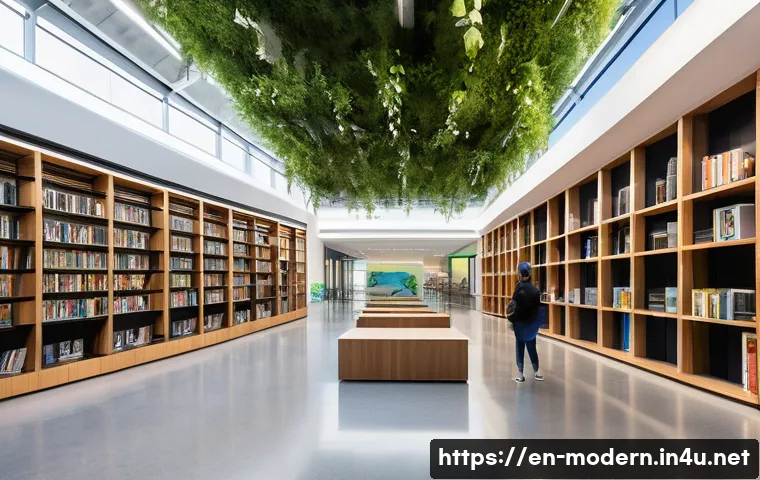
This design philosophy aligns perfectly with libraries’ missions to nurture learning and wellbeing.
Outdoor Views and Visual Connectivity
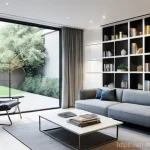
Visual connections to the outdoors are another key aspect of biophilic design. Floor-to-ceiling windows framing gardens, courtyards, or cityscapes extend the sense of space and provide dynamic backdrops.
In one library I visited, large glass walls overlooked a community park, creating a seamless link between indoor study and outdoor leisure. These views offer mental breaks and reduce eye strain, enhancing visitors’ comfort during long reading or work sessions.
Thoughtful placement of furniture maximizes these benefits by orienting users toward scenic vistas.
Technology’s Impact on Library Architecture
Smart Infrastructure Supporting User Needs
The backbone of modern libraries is a robust digital infrastructure that supports diverse user demands. High-speed internet, cloud-based catalogs, and integrated security systems ensure smooth operation and easy access.
From my perspective, these technologies reduce friction and empower users to engage with resources independently. Behind the scenes, building management systems track occupancy and energy use, enabling data-driven decisions for maintenance and upgrades.
This smart infrastructure is essential for libraries aiming to remain relevant and efficient in a digital age.
Interactive and Immersive Learning Spaces
Technology transforms library spaces into interactive learning environments. Virtual reality stations, augmented reality exhibits, and maker labs equipped with 3D printers invite hands-on exploration.
I was particularly impressed by how these tools appeal to younger audiences, making libraries exciting places to discover and create. These immersive experiences extend the traditional role of libraries, turning them into innovation incubators.
Architects design these areas with acoustics and safety in mind, ensuring technology use enhances rather than disrupts the overall environment.
Digital Accessibility and Inclusivity
Modern libraries leverage technology to break down barriers for all users. Screen readers, adaptive keyboards, and customizable digital interfaces make information accessible to people with disabilities.
I observed how these assistive technologies, combined with thoughtful spatial design, empower visitors to fully participate in library offerings. Online portals and virtual events further extend reach beyond physical walls.
This commitment to digital inclusivity reflects libraries’ broader mission to serve every community member equitably.
Summary of Key Features in Contemporary Library Design
| Feature | Description | Benefit |
|---|---|---|
| Flexible Interiors | Modular furniture, movable walls, multi-use zones | Adapts to diverse activities, enhances user satisfaction |
| Eco-Friendly Materials | Recycled wood, bamboo, low-VOC paints | Reduces environmental impact, improves indoor air quality |
| Technology Integration | VR zones, digital kiosks, smart building systems | Supports innovation, digital literacy, operational efficiency |
| Natural Light & Biophilia | Large windows, indoor plants, nature-inspired design | Boosts wellbeing, reduces energy use, creates inviting spaces |
| Community-Oriented Layout | Open plans, collaborative areas, inclusive design | Fosters social interaction, accessibility, and engagement |
Balancing Tradition with Innovation in Library Design
Preserving Cultural Identity Through Architecture
While pushing forward with innovative features, many libraries also honor their cultural heritage. Historic architectural elements are preserved or reinterpreted to create a dialogue between past and present.
I’ve visited libraries where original facades are carefully restored, while interiors are modernized with contemporary materials and technology. This blending respects the community’s identity and history, making the library a symbolic anchor.
The careful balance between tradition and progress resonates deeply with visitors who appreciate continuity amid change.
Integrating Art and Aesthetic Appeal
Art installations, murals, and sculptural elements are increasingly incorporated into library design to enrich the visitor experience. These artistic touches elevate libraries beyond functional spaces, turning them into cultural destinations.
During a tour, I noticed how local artists’ works were thoughtfully displayed in reading rooms and lobbies, sparking conversations and inspiring creativity.
The integration of art also supports community pride and reflects the library’s role as a place for cultural exchange and expression.
Creating Iconic Landmarks That Inspire
Modern libraries often serve as architectural landmarks that define cityscapes and symbolize civic values. Bold designs with striking forms and innovative materials capture public imagination and attract visitors.
From my perspective, these iconic buildings do more than house books—they embody the community’s commitment to knowledge, innovation, and inclusivity.
This landmark status helps libraries secure funding and media attention, further strengthening their role as vital public institutions.
Conclusion
Modern library design is evolving to foster stronger community connections while embracing innovation and sustainability. By balancing technology, inclusivity, and flexible spaces, libraries are becoming vibrant hubs for learning and social interaction. These transformations reflect a deep understanding of users’ diverse needs and a commitment to creating welcoming environments. Ultimately, libraries today are not just repositories of knowledge but dynamic places that inspire and support their communities.
Useful Information to Remember
1. Flexible interiors with modular furniture and movable walls allow libraries to adapt quickly to different events and user needs.
2. Incorporating sustainable materials and energy-efficient systems reduces environmental impact and lowers operational costs.
3. Technology integration, such as VR zones and interactive kiosks, enhances learning experiences and fosters digital literacy.
4. Natural light and biophilic design elements improve wellbeing, productivity, and create inviting atmospheres.
5. Inclusive design ensures accessibility for all visitors, promoting equity and a sense of belonging within the community.
Key Takeaways
Contemporary libraries successfully merge tradition with modern innovation by preserving cultural elements while integrating cutting-edge technology and sustainable practices. They prioritize flexible, user-centered spaces that accommodate diverse activities and preferences. Emphasizing inclusivity and community engagement, these libraries serve as vital public landmarks that inspire learning and foster social connections in an ever-changing world.
Frequently Asked Questions (FAQ) 📖
Q: How are modern libraries different from traditional ones in terms of architectural design?
A: Modern libraries have shifted from being just quiet places to store books into lively community centers. Architects now focus on creating open, flexible spaces that encourage collaboration and creativity.
You’ll often find areas designed for group work, tech hubs with the latest digital tools, and even cozy nooks for individual reading. The design emphasizes natural light, sustainability, and accessibility, making libraries inviting for everyone.
From my visits to several new library buildings, the atmosphere feels more dynamic and welcoming compared to the old, stuffy image many of us remember.
Q: What role does technology play in the design of contemporary library buildings?
A: Technology is at the heart of modern library design. Beyond just having computers and Wi-Fi, many libraries now integrate smart systems that control lighting, temperature, and security efficiently.
Interactive digital displays, virtual reality zones, and makerspaces with 3D printers are becoming standard features. This tech integration transforms libraries into innovation hubs where visitors can learn new skills or explore cutting-edge resources.
I’ve seen firsthand how such tech setups not only attract younger audiences but also make knowledge more accessible and engaging for all age groups.
Q: How are sustainability and eco-friendly materials incorporated into new library constructions?
A: Sustainability is a top priority in today’s library architecture. Many new libraries use eco-friendly materials like reclaimed wood, recycled steel, and low-VOC paints.
Designs often include green roofs, solar panels, and efficient water management systems to reduce environmental impact. Natural ventilation and large windows help minimize energy use by maximizing daylight and fresh air.
From my experience visiting eco-conscious libraries, these features don’t just benefit the planet—they create healthier, more pleasant environments for visitors, making the library a place people want to spend time in.